Skip to content

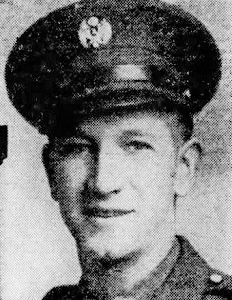
Bono, John J.
Army Staff sergeant

John J. Bono, age 28, from Denver County Denver, Colorado .

Parents: Camilla G. Bono

Service era: World War II

Date of death: Wednesday, September 13, 1944
Death details: On October 28, 2011, the Joint POW/MIA Accounting Command (JPAC, now DPAA) accounted for Staff Sergeant John J. Bono, missing from World War II. Staff Sergeant Bono, who entered the U.S. Army Air Forces from Colorado, served with the 327th Bombardment Squadron, 92nd Bombardment Group (Heavy). On September 13, 1944, he was the ball turret gunner aboard a B-17G Flying Fortress (serial number 42-31250, nicknamed “Mag the Hag, the 2nd”) that carried nine crew members on a bombing mission against oil refineries near Merseburg, Germany, and then moved to targets near Altenburg, south of Merseburg. At some point, SSG Bono’s aircraft was hit by enemy fire and crashed near Neustadt. One crew member successfully parachuted out of the aircraft before it crashed, but the remaining eight were killed in the crash and their bodies recovered by German forces and buried in a cemetery in Neustadt. Following the war, U.S. Army Graves Registration Service personnel recovered and moved the remains of one crew member to a U.S. military cemetery in Holland; however, by 1953, access to eastern Germany was restricted by the Soviet Union, which prevented any further recovery efforts of the seven remaining crew members including SSG Bono. In 1991, a German national digging a grave in the Neustadt cemetery discovered a U.S. military identification tag and notified officials. German burial law restricted any further site investigation efforts; however, the law changed in 2007. In 2008, JPAC officials traveled to the site where they recovered human remains and military equipment correlating to the B-17G’s loss, and JPAC analysts used modern forensic techniques and eventually identified SSG Bono from these collective remains.
Cemetery: Netherlands American Cemetery

Source: National Archives, American Battle Monuments Commission, Defense POW/MIA Accounting Agency, Associated Press (1945)
Deitman, Thomas G.
Army Sergeant

Thomas G. Deitman, age 21, from Delaware County Pennsylvania.

Service era: World War II

Date of death: Wednesday, September 13, 1944
Death details: On May 29, 2025, the Defense POW/MIA Accounting Agency identified the remains of U.S. Army Air Forces Sgt. Thomas Deitman, missing from World War II. Deitman entered the U.S. Army Air Forces from Pennsylvania and served with the 327th Bombardment Squadron, 92nd Bombardment Group. On September 13, 1944, he was the tail gunner aboard a B-17G Flying Fortress aircraft, serial number 42-31250, nicknamed “Mag the Hag, the 2nd,” which carried nine crew members and took off from AAF Station 109, England, on a bombing mission with six other bombers against oil refineries near Merseburg, Germany. Four of these seven planes were shot down. According to German records, Deitman’s B-17G crashed on railroad tracks near the town of Neustädt, Thuringen, Germany. Eight of the nine crew members onboard were killed and buried by German forces in a cemetery in the town. In June 1945, following the end of hostilities, an American Graves Registration Command investigation team was able to exhume and transport the remains of the aircraft’s pilot to the U.S. Military Cemetery at Margraten, Netherlands. However, none of the other remains recovered were identified successfully as Deitman. In 1991, a resident digging a grave in the Neustädt cemetery discovered a U.S. military identification tag belonging to Deitman, along with parachute remnants. The resident was interviewed years later but unfortunately, German burial laws prevented disturbance of the site for at least 20 years after a modern burial had taken place. In September 2008 a recovery team excavated the area and discovered possible remains and material evidence, which was sent to the DPAA laboratory for analysis, and resulted in the identification of four of Deitman’s crew members. From May to June 2024, a DPAA recovery team returned to the area and continued excavation of the Neustädt cemetery, finding possible remains and life support equipment, after which all recovered evidence was transferred to the DPAA Laboratory for forensic analysis. Based on the laboratory analysis and total circumstantial evidence, a set of the remains were identified as those of Deitman.

Source: National Archives, Defense POW/MIA Accounting Agency

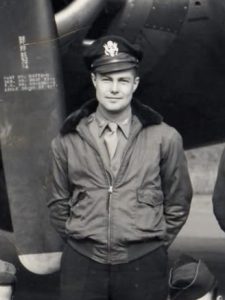
Eck, Harry W.
Army 1st lieutenant

Harry W. Eck, age 23, from Ward County Minot, North Dakota .

Parents: Harry B. Eck

Service era: World War II
Schools: Minot High graduate, University of North Dakota

Date of death: Wednesday, September 13, 1944
Death details: On December 19, 2011, the Joint POW/MIA Accounting Command (JPAC, now DPAA) accounted for First Lieutenant Harry W. Eck, missing from World War II. First Lieutenant Eck, who entered the U.S. Army Air Forces from North Dakota, served with the 327th Bombardment Squadron, 92nd Bombardment Group (Heavy). On September 13, 1944, he was the pilot of a B-17G Flying Fortress (serial number 42-31250, nicknamed “Mag the Hag, the 2nd”) that carried nine crew members on a bombing mission against oil refineries near Merseburg, Germany, and then moved to targets near Altenburg, south of Merseburg. At some point, 1LT Eck’s aircraft was hit by enemy fire and crashed near Neustadt. One crew member successfully parachuted out of the aircraft before it crashed, but the remaining eight were killed in the crash and their bodies recovered by German forces and buried in a cemetery in Neustadt. Following the war, U.S. Army Graves Registration Service personnel recovered and moved the remains of one crew member to a U.S. military cemetery in Holland; however, by 1953, access to eastern Germany was restricted by the Soviet Union, which prevented any further recovery efforts of the seven remaining crew members including 1LT Eck. In 1991, a German national digging a grave in the Neustadt cemetery discovered a U.S. military identification tag and notified officials. German burial law restricted any further site investigation efforts; however, the law changed in 2007. In 2008, JPAC officials traveled to the site where they recovered human remains and military equipment correlating to the B-17G’s loss, and JPAC analysts used modern forensic techniques to eventually identify 1LT Eck from these collective remains.

Source: National Archives, Defense POW/MIA Accounting Agency, Fargo Forum (1945)

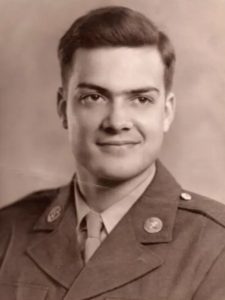
Hogan, John E.
Army Technican 5

John E. Hogan, age 20, from Bronx County Buffalo, New York .

Parents: Esther I. Sauer

Service era: World War II
Schools: Fosdick-Masten Park High, University of Buffalo

Date of death: Wednesday, September 13, 1944
Death details: On November 9, 2011, the Joint POW/MIA Accounting Command (JPAC, now DPAA) accounted for Staff Sergeant John E. Hogan, missing from World War II. Staff Sergeant Hogan entered the U.S. Army Air Forces from Missouri and served with the 327th Bombardment Squadron, 92nd Bombardment Group (Heavy). On September 13, 1944, he was the radio operator/gunner aboard a B-17G Flying Fortress (serial number 42-31250, nicknamed “Mag the Hag, the 2nd”) that carried nine crew members on a bombing mission against oil refineries near Merseburg, Germany, and then moved to targets near Altenburg, south of Merseburg. At some point, SSG Hogan’s aircraft was hit by enemy fire and crashed near Neustadt. One crew member successfully parachuted out of the aircraft before it crashed, but the remaining eight were killed in the crash and their bodies recovered by German forces and buried in a cemetery in Neustadt. Following the war, U.S. Army Graves Registration Service personnel recovered and moved the remains of one crew member to a U.S. military cemetery in Holland; however, by 1953, access to eastern Germany was restricted by the Soviet Union, which prevented any further recovery efforts of the seven remaining crew members including SSG Hogan. In 1991, a German national digging a grave in the Neustadt cemetery discovered a U.S. military identification tag and notified officials. German burial law restricted any further site investigation efforts; however, the law changed in 2007. In 2008, JPAC officials traveled to the site where they recovered human remains and military equipment correlating to the B-17G’s loss, and JPAC analysts used modern forensic techniques to eventually identify SSG Hogan from these collective remains.

Source: National Archives, Defense POW/MIA Accounting Agency, Buffalo News (1945)

Keeney, Clifford E.
Army Staff sergeant

Clifford E. Keeney, age 26, from York County Pennsylvania.

Service era: World War II

Date of death: Wednesday, September 13, 1944
Death details: On June 12, 2025, the Defense POW/MIA Accounting Agency identified the remains of U.S. Army Air Forces Staff Sgt. Clifford E. Keeney, missing from World War II. Keeney entered the U.S. Army Air Forces from Pennsylvania and served with the 327th Bombardment Squadron, 92nd Bombardment Group. On September 13, 1944, he was the top turret gunner aboard a B-17G Flying Fortress aircraft, serial number 42-31250, nicknamed “Mag the Hag, the 2nd,” which carried nine crew members and took off from AAF Station 109, England, on a bombing mission with six other bombers against oil refineries near Merseburg, Germany. Four of these seven planes were shot down. According to German records, Keeney’s B-17G crashed on railroad tracks near the town of Neustädt, Thuringen, Germany. Eight of the nine crew members onboard were killed and buried by German forces in a cemetery in the town. In June 1945, following the end of hostilities, an American Graves Registration Command investigation team was able to exhume and transport the remains of the aircraft’s pilot to the U.S. Military Cemetery at Margraten, Netherlands. However, none of the other remains recovered were identified successfully as Keeney. In 1991, a resident digging a grave in the Neustädt cemetery discovered a U.S. military identification tag belonging to one of the aircraft’s crewmembers, along with parachute remnants. The resident was interviewed years later, but unfortunately German burial laws prevented disturbance of the site for at least 20 years after a modern burial had taken place. In September 2008 a recovery team excavated the area and discovered possible remains and material evidence, which was sent to a DPAA laboratory for analysis, and resulted in the identification of four of Keeney’s crew members. From May to June 2024, a DPAA recovery team returned to the area and continued excavation of the Neustädt cemetery, finding possible remains and life support equipment, after which all recovered evidence was transferred to the DPAA Laboratory for forensic analysis. Based on the laboratory analysis and total circumstantial evidence, a set of the recovered remains were identified as those of Keeney.

Source: National Archives, Defense POW/MIA Accounting Agency

Sauer, John R.
Army 2nd lieutenant

John R. Sauer, age 21, from Erie County New York.

Service era: World War II

Date of death: Wednesday, September 13, 1944
Death details: Killed in action

Source: National Archives, Defense POW/MIA Accounting Agency

Wasilewski, Emil T.
Army 2nd lieutenant

Emil T. Wasilewski, age 22, from Christian County Illinois.

Service era: World War II
Schools: Lindblom High

Date of death: Wednesday, September 13, 1944
Death details: On February 11, 2012, the Joint POW/MIA Accounting Command (JPAC, now DPAA) accounted for Second Lieutenant Emil T. Wasilewski, missing from World War II. Second Lieutenant Wasilewski, who entered the U.S. Army Air Forces from Illinois, served with the 327th Bombardment Squadron, 92nd Bombardment Group (Heavy). On September 13, 1944, he was a bombardier aboard a B-17G Flying Fortress (serial number 42-31250, nicknamed “Mag the Hag, the 2nd”) that carried nine crew members on a bombing mission against oil refineries near Merseburg, Germany, and then moved to targets near Altenburg, south of Merseburg. At some point, 2LT Wasilewski’s aircraft was hit by enemy fire and crashed near Neustadt. One crew member successfully parachuted out of the aircraft before it crashed, but the remaining eight men were killed in the crash and their bodies recovered by German forces and buried in a cemetery in Neustadt. Following the war, U.S. Army Graves Registration Service personnel recovered and moved the remains of one crew member to a U.S. military cemetery in Holland; however, by 1953, access to eastern Germany was restricted by the Soviet Union, which prevented further recovery efforts of the seven remaining men including 2LT Wasilewski. In 1991, a German national digging a grave in the Neustadt cemetery discovered a U.S. military identification tag and notified officials. German burial law restricted any further site investigation efforts; however, the law changed in 2007. In 2008, JPAC officials traveled to the site where they recovered human remains and military equipment correlating to the B-17G’s loss, and JPAC analysts used modern forensic techniques and eventually identified 2LT Wasilewski from these collective remains.
Cemetery: Memorialized at St. Casimir Cemetery, Chicago

Source: National Archives, Defense POW/MIA Accounting Agency, Chicago Tribune (1944)

Back To Top