Skip to content

Fallon, Richard Lee
Army Private

Richard Lee Fallon, age 19, from Iowa, Webster county.

Service era: Korea

Date of death: Friday, February 2, 1951
Death details: On July 22, 1950, the 2nd Battalion of the U.S. Army’s 35th Infantry Regiment was holding defensive positions along the south bank of the rain-swollen Yong stream, south of Mun’gyong, South Korea. The battalion’s Company F was sent across the stream to reinforce a Republic of Korea (ROK) battalion on the north bank, but the ROK-U.S. position was immediately attacked by North Korean People’s Army (NKPA) forces, separating them from the rest of the 2nd Battalion and flanking Company F on both sides. Company F fell back to the stream’s edge under enemy fire, but the current was too powerful for them to cross and the enemy had seized the nearby bridge. U.S. combat engineers on the south bank attempted to launch rafts for the stranded men but were also pinned down by the NKPA until additional American tanks and infantry arrived to give them covering fire. This enabled the engineers to deploy their rafts and evacuate the men of Company F from the north bank. However, several soldiers were lost to enemy fire or while attempting to cross the swollen stream before the rafts could be launched. Private First Class Richard Lee Fallon, who entered the U.S. Army from Iowa, served with F Company, 2nd Battalion, 35th Infantry Regiment, 25th Infantry Division. He was taken captive during this action when attempting to cross the Yong stream on July 22, 1950; a repatriated U.S. prisoner of war (POW) later reported that PFC Fallon died of dysentery and malnutrition on February 2, 1951, while still held captive at a POW camp near Chungan, North Korea. He was not associated with any remains later recovered from the area, and he is still unaccounted-for. Today, Private First Class Fallon is memorialized on the Courts of the Missing at the National Memorial Cemetery of the Pacific.

Source: National Archives, Defense POW/MIA Accounting Agency
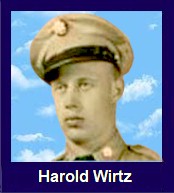
Wirtz, Harold Dean
Army Private

Harold Dean Wirtz, age 19, from Sterling, Colorado, Logan county.

Service era: Korea
Military history: 35th Infantry Regiment

Date of death: Monday, October 30, 1950
Death details:  On July 22, 1950, the 2nd Battalion of the U.S. Army’s 35th Infantry Regiment was holding defensive positions along the south bank of the rain-swollen Yong stream, south of Mun’gyong, South Korea. The battalion’s Company F was sent across the stream to reinforce a Republic of Korea (ROK) battalion on the north bank, but the ROK-U.S. position was immediately attacked by North Korean People’s Army (NKPA) forces, separating them from the rest of the 2nd Battalion and flanking Company F on both sides. Company F fell back to the stream’s edge under enemy fire, but the current was too powerful for them to cross and the enemy had seized the nearby bridge. U.S. combat engineers on the south bank attempted to launch rafts for the stranded men but were also pinned down by the NKPA until additional American tanks and infantry arrived to give them covering fire. This enabled the engineers to deploy their rafts and evacuate the men of Company F from the north bank. However, several soldiers were lost to enemy fire or while attempting to cross the swollen stream before the rafts could be launched.

Private Harold Dean Wirtz, who entered the U.S. Army from Colorado, served with F Company, 2nd Battalion, 35th Infantry Regiment, 25th Infantry Division. He was taken as a prisoner of war (POW) while attempting to cross the Yong stream on July 22, 1950. A repatriated U.S. POW later reported that a prison guard killed Private Wirtz on October 30, 1950, and buried him nearby. His remains were not identified among those returned to the U.S. following the war, and he is still unaccounted-for. Today, Private Wirtz is memorialized on the Courts of the Missing at the National Memorial Cemetery of the Pacific.

Source: National Archives, 35th Infantry Regiment Association, Defense POW/MIA Accounting Agency

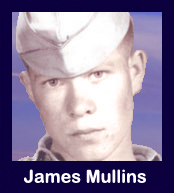
Mullins, James Curtis Army Private

James C. Mullins, age 21, from Kentucky, Letcher county.

Spouse: Single
Children: None

Service era: Korea
Military history: 35th Infantry Regiment

Date of death: Saturday, July 22, 1950
Death details: Killed in action, South Korea
Cemetery: On September 27, 2012, the Joint POW/MIA Accounting Command (JPAC, now DPAA) identified the remains of Private First Class James Curtis Mullins, missing from the Korean War.

Private First Class Mullins entered the U.S. Army from Kentucky and served in Company H, 2nd Battalion, 35th Infantry Regiment, 25th Infantry Division. He was killed in action on July 22, 1950, as his unit’s positions were overwhelmed by enemy forces near Yugong-ni, South Korea. In 1951, U.S. Army personnel recovered the remains of several U.S. servicemen from this battle, but were not able to identify one of the sets of remains they recovered, and subsequently interned them as unknown. In 2012, using modern forensic techniques, analysts were able to successfully identify the previously unidentified remains as those of PFC Mullins.

Source: National Archives, 35th Infantry Regiment Association, Defense POW/MIA Accounting Agency

Smack, Fred Gordon
Army Private

Fred Gordon Smack, age 20, from Pine City, Minnesota, Pine county.

Service era: Korea
Military history: 35th Infantry Regiment

Date of death: Saturday, July 22, 1950
Death details:  On July 22, 1950, the 2nd Battalion of the U.S. Army’s 35th Infantry Regiment was holding defensive positions along the south bank of the rain-swollen Yong stream, south of Mun’gyong, South Korea. The battalion’s Company F was sent across the stream to reinforce a Republic of Korea (ROK) battalion on the north bank, but the ROK-U.S. position was immediately attacked by North Korean People’s Army (NKPA) forces, separating them from the rest of the 2nd Battalion and flanking Company F on both sides. Company F fell back to the stream’s edge under enemy fire, but the current was too powerful for them to cross and the enemy had seized the nearby bridge. U.S. combat engineers on the south bank attempted to launch rafts for the stranded men but were also pinned down by the NKPA until additional American tanks and infantry arrived to give them covering fire. This enabled the engineers to deploy their rafts and evacuate the men of Company F from the north bank. However, several soldiers were lost to enemy fire or while attempting to cross the swollen stream before the rafts could be launched.

Private First Class Fred Gordon Smack, who entered the U.S. Army from Minnesota, served with F Company, 2nd Battalion, 35th Infantry Regiment, 25th Infantry Division. He went missing while attempting to cross the Yong stream during this action on July 22, 1950. He was not associated with any remains later recovered from the area, and he is still unaccounted-for. Today, Private First Class Smack is memorialized on the Courts of the Missing at the National Memorial Cemetery of the Pacific.

Source: National Archives, 35th Infantry Regiment Association, Defense POW/MIA Accounting Agency

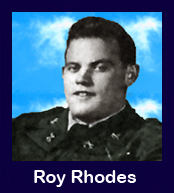
Rhodes, Roy Daniel
Army Private 1st class

Roy Daniel Rhodes, age 20, from Missouri, Madison county.

Parents: Floyd and Sarah Rhodes

Service era: Korea
Military history: 35th Infantry Regiment

Date of death: Saturday, July 22, 1950
Death details:  On July 22, 1950, the 2nd Battalion of the U.S. Army’s 35th Infantry Regiment was holding defensive positions along the south bank of the rain-swollen Yong stream, south of Mun’gyong, South Korea. The battalion’s Company F was sent across the stream to reinforce a Republic of Korea (ROK) battalion on the north bank, but the ROK-U.S. position was immediately attacked by North Korean People’s Army (NKPA) forces, separating them from the rest of the 2nd Battalion and flanking Company F on both sides. Company F fell back to the stream’s edge under enemy fire, but the current was too powerful for them to cross and the enemy had seized the nearby bridge. U.S. combat engineers on the south bank attempted to launch rafts for the stranded men but were also pinned down by the NKPA until additional American tanks and infantry arrived to give them covering fire. This enabled the engineers to deploy their rafts and evacuate the men of Company F from the north bank. However, several soldiers were lost to enemy fire or while attempting to cross the swollen stream before the rafts could be launched.

Corporal Roy Daniel Rhodes, who entered the U.S. Army from Missouri, served with F Company, 2nd Battalion, 35th Infantry Regiment, 25th Infantry Division. He went missing while attempting to cross the Yong stream during this action on July 22, 1950. He was not associated with any remains later recovered from the area, and he is still unaccounted-for. Today, Corporal Rhodes is memorialized on the Courts of the Missing at the National Memorial Cemetery of the Pacific.

Source: 35th Infantry Regiment Association, Defense POW/MIA Accounting Agency

Allen, Chelcia Andrew
Army Private 1st class

Chelcia Andrew Allen, age 19, from Louisiana, Ouachita county.

Service era: Korea

Date of death: Saturday, July 22, 1950
Death details: On July 22, 1950, the 2nd Battalion of the U.S. Army’s 35th Infantry Regiment was holding defensive positions along the south bank of the rain-swollen Yong stream, south of Mun’gyong, South Korea. The battalion’s Company F was sent across the stream to reinforce a Republic of Korea (ROK) battalion on the north bank, but the ROK-U.S. position was immediately attacked by North Korean People’s Army (NKPA) forces, separating them from the rest of the 2nd Battalion and flanking Company F on both sides. Company F fell back to the stream’s edge under enemy fire, but the current was too powerful for them to cross and the enemy had seized the nearby bridge. U.S. combat engineers on the south bank attempted to launch rafts for the stranded men but were also pinned down by the NKPA until additional American tanks and infantry arrived to give them covering fire. This enabled the engineers to deploy their rafts and evacuate the men of Company F from the north bank. However, several soldiers were lost to enemy fire or while attempting to cross the swollen stream before the rafts could be launched. Corporal Chelcia Andrew Allen, who entered the U.S. Army from Louisiana, served with F Company, 2nd Battalion, 35th Infantry Regiment, 25th Infantry Division. He was reported missing on July 22, 1950, during this action. The exact circumstances of his loss are unknown; he may have been hit by enemy fire, or swept downstream while attempting to cross the Yong. He was never reported as a prisoner of war and has not been associated with any remains later recovered from the area. Today, Corporal Allen is memorialized on the Courts of the Missing at the National Memorial Cemetery of the Pacific.

Source: National Archives, Defense POW/MIA Accounting Agency
Bullington, Harry Lafayette
Army 2nd lieutenant

Harry Lafayette Bullington, age 24, from Maryland, Baltimore City county.

Service era: Korea

Date of death: Saturday, July 22, 1950
Death details: On July 22, 1950, the 2nd Battalion of the U.S. Army’s 35th Infantry Regiment was holding defensive positions along the south bank of the rain-swollen Yong stream, south of Mun’gyong, South Korea. The battalion’s Company F was sent across the stream to reinforce a Republic of Korea (ROK) battalion on the north bank, but the ROK-U.S. position was immediately attacked by North Korean People’s Army (NKPA) forces, separating them from the rest of the 2nd Battalion and flanking Company F on both sides. Company F fell back to the stream’s edge under enemy fire, but the current was too powerful for them to cross and the enemy had seized the nearby bridge. U.S. combat engineers on the south bank attempted to launch rafts for the stranded men but were also pinned down by the NKPA until additional American tanks and infantry arrived to give them covering fire. This enabled the engineers to deploy their rafts and evacuate the men of Company F from the north bank. However, several soldiers were lost to enemy fire or while attempting to cross the swollen stream before the rafts could be launched. First Lieutenant Harry Lafayette Bullington Jr., who entered the U.S. Army from Maryland, served with F Company, 2nd Battalion, 35th Infantry Regiment, 25th Infantry Division. He went missing while attempting to cross the Yong stream during this action on July 22, 1950. He was not associated with any remains later recovered from the area, and he is still unaccounted-for. Today, First Lieutenant Bullington is memorialized on the Courts of the Missing at the National Memorial Cemetery of the Pacific.

Source: National Archives, Defense POW/MIA Accounting Agency

Herkless, Eugene Harold
Army Sergeant 1st class

Eugene Harold Herkless, age 46, from Carthage, Indiana, Johnson county.

Service era: Korea
Military history: 35th Infantry Regiment

Date of death: Saturday, July 22, 1950
Death details: On July 22, 1950, the 2nd Battalion of the U.S. Army’s 35th Infantry Regiment was holding defensive positions along the south bank of the rain-swollen Yong stream, south of Mun’gyong, South Korea. The battalion’s Company F was sent across the stream to reinforce a Republic of Korea (ROK) battalion on the north bank, but the ROK-U.S. position was immediately attacked by North Korean People’s Army (NKPA) forces, separating them from the rest of the 2nd Battalion and flanking Company F on both sides. Company F fell back to the stream’s edge under enemy fire, but the current was too powerful for them to cross and the enemy had seized the nearby bridge. U.S. combat engineers on the south bank attempted to launch rafts for the stranded men but were also pinned down by the NKPA until additional American tanks and infantry arrived to give them covering fire. This enabled the engineers to deploy their rafts and evacuate the men of Company F from the north bank. However, several soldiers were lost to enemy fire or while attempting to cross the swollen stream before the rafts could be launched. Master Sergeant Eugene Harold Herkless, who entered the U.S. Army from Kentucky, served with H Company, 2nd Battalion, 35th Infantry Regiment, 25th Infantry Division. He went missing eight miles northwest of Hamchang, South Korea, when elements of H Company were supporting Company F during this action on July 22, 1950. He was not associated with any remains later recovered from the area, and he is still unaccounted-for. Today, Master Sergeant Herkless is memorialized on the Courts of the Missing at the National Memorial Cemetery of the Pacific.

Source: National Archives, 35th Infantry Regiment Association, Defense POW/MIA Accounting Agency

Hitz, Donald Leroy
Army Private 1st class

Donald Leroy Hitz, age 20, from Wisconsin, Dunn county.

Service era: Korea

Date of death: Saturday, July 22, 1950
Death details: On July 22, 1950, the 2nd Battalion of the U.S. Army’s 35th Infantry Regiment was holding defensive positions along the south bank of the rain-swollen Yong stream, south of Mun’gyong, South Korea. The battalion’s Company F was sent across the stream to reinforce a Republic of Korea (ROK) battalion on the north bank, but the ROK-U.S. position was immediately attacked by North Korean People’s Army (NKPA) forces, separating them from the rest of the 2nd Battalion and flanking Company F on both sides. Company F fell back to the stream’s edge under enemy fire, but the current was too powerful for them to cross and the enemy had seized the nearby bridge. U.S. combat engineers on the south bank attempted to launch rafts for the stranded men but were also pinned down by the NKPA until additional American tanks and infantry arrived to give them covering fire. This enabled the engineers to deploy their rafts and evacuate the men of Company F from the north bank. However, several soldiers were lost to enemy fire or while attempting to cross the swollen stream before the rafts could be launched. Corporal Donald LeRoy Hitz, who entered the U.S. Army from Wisconsin, served with F Company, 2nd Battalion, 35th Infantry Regiment, 25th Infantry Division. He went missing while attempting to cross the Yong stream during this action on July 22, 1950. He was not associated with any remains later recovered from the area, and he is still unaccounted-for. Today, Corporal Hitz is memorialized on the Courts of the Missing at the National Memorial Cemetery of the Pacific.

Source: National Archives, Defense POW/MIA Accounting Agency
Hudson, William Junior
Army Private 2nd class

William Junior Hudson, age 23, from Niles, Michigan, Berrien county.

Service era: Korea
Military history: 35th Infantry Regiment

Date of death: Saturday, July 22, 1950
Death details: On July 22, 1950, the 2nd Battalion of the U.S. Army’s 35th Infantry Regiment was holding defensive positions along the south bank of the rain-swollen Yong stream, south of Mun’gyong, South Korea. The battalion’s Company F was sent across the stream to reinforce a Republic of Korea (ROK) battalion on the north bank, but the ROK-U.S. position was immediately attacked by North Korean People’s Army (NKPA) forces, separating them from the rest of the 2nd Battalion and flanking Company F on both sides. Company F fell back to the stream’s edge under enemy fire, but the current was too powerful for them to cross and the enemy had seized the nearby bridge. U.S. combat engineers on the south bank attempted to launch rafts for the stranded men but were also pinned down by the NKPA until additional American tanks and infantry arrived to give them covering fire. This enabled the engineers to deploy their rafts and evacuate the men of Company F from the north bank. However, several soldiers were lost to enemy fire or while attempting to cross the swollen stream before the rafts could be launched. Private First Class William Junior Hudson, who entered the U.S. Army from Michigan, served with F Company, 2nd Battalion, 35th Infantry Regiment, 25th Infantry Division. He was initially reported missing after attempting to swim across the Yong stream during this action on July 22, 1950; however, a repatriated U.S. prisoner of war (POW) later reported that PFC Hudson was taken captive and died of dysentery and malnutrition on or before January 31, 1951, while at a POW camp near Chungan, North Korea. He was not associated with any remains later returned to U.S. custody, and he is still unaccounted-for. Today, Private First Class Hudson is memorialized on the Courts of the Missing at the National Memorial Cemetery of the Pacific.

Source: National Archives, 35th Infantry Regiment Association, Defense POW/MIA Accounting Agency

Back To Top