Skip to content

Gaffney, John
Army Reserves

John Gaffney, age 56, from Sierra Mesa, California.

Children: One grown son.

Date of death: Thursday, November 5, 2009
Death details: Killed by gunshot from a fellow soldier, police said, in an attack at Ft. Hood that left 13 dead and 30 injured.

Source: Army, CNN

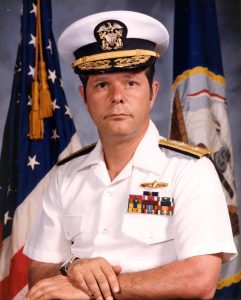
Boorda, Jeremy
Navy Admiral

Jeremy Boorda, age 56, from South Bend, Indiana, St. Joseph county.

Spouse: Mae Moran Boorda (1938-2020)
Children: Four children

Service era: Iraq
Schools: Quit high school, ran away from home and lied about his age to join the Navy

Date of death: Thursday, May 16, 1996
Death details: Jeremy was upset because someone claimed he was not authorized to wear two valor medals. He was authorized to wear them, but that accusation was too much. He took his own life.
Cemetery: Arlington National

Source: suicide.org, New York Times (1996), U.S. Navy, findagrave.com

Johnston, Philip Devereux
Navy Reserves Lieutenant commander

Philip Devereux Johnston, age 56, from Los Angeles County Beverly Hills, California .

Spouse: Carlotta Q. Johnston
Children: Two sons

Service era: World War II

Date of death: Wednesday, January 10, 1945
Death details: On December 13, 1944, Japanese forces in the Philippines began the transfer of 1,621 Allied prisoners of war (POWs) to Japan. The POWs were to make the journey aboard transport ships whose harsh conditions and extreme overcrowding led survivors to refer to them as “Hell Ships.” The ships also lacked markings that would distinguish them from any other military target, causing some of them to be attacked by Allied forces who could not identify them as POW transports. On December 14, 1944, Allied aircraft attacked the first ship, the Oryoku Maru, in Subic Bay in the Philippines, killing many Allied POWs who became lost in the water, sank with the ship, or were washed ashore. Survivors of the bombing were put aboard two other ships, the Enoura Maru and the Brazil Maru, to continue on to Japan. During its journey on January 9, 1945, while anchored in Takao Harbor, Formosa (present-day Taiwan), the Enoura Maru was attacked by Allied aircraft from the USS Hornet (CV-8), killing Allied POWs who were lost in the water, on board the ship, or on the nearby shore. Survivors of the Enoura Maru bombing were loaded onto the Brazil Maru, and reached Japan on January 30, 1945. As a result of these incidents, Allied POWs were lost in the Philippines, at sea between the Philippines and Taiwan, while anchored in Taiwan, at sea between Taiwan and Japan, and in Japan. The attacks on these POW transports ultimately resulted in a series of death notifications from the Japanese government through the International Red Cross (IRC), and some casualties were given up to five different dates of death at various locations during the transfer. Witness accounts from surviving POWs offer detailed information for a handful of casualties, but the specific dates of loss and/or last-known locations for many of these POWs are based on the most recent reported date of death. Lieutenant Commander Philip Devereux Johnston entered the U.S. Navy from California and served with the 16th Naval District in the Philippines during World War II. He was taken as a POW following the Japanese invasion and was interned in the islands until December 1944, when he was transferred to the Oryoku Maru for transport to Japan. He survived the attack on the Oryoku Maru and was eventually transferred to the Brazil Maru. On January 10, 1945, while aboard the Brazil Maru, he died from wounds he had sustained in the prior bombing and was reported to have been buried at sea. These records often involve information solely furnished by enemy governments, with some casualties given multiple dates of death. Future research may determine these reports were inaccurate. LCDR Johnston’s remains could not be identified following the war and he is still unaccounted-for. Today, Lieutenant Commander Johnston is memorialized on the Walls of the Missing at the Manila American Cemetery in the Philippines. Based on all information available, DPAA assessed the individual’s case to be in the analytical category of Non-recoverable.

Source: National Archives, Defense POW/MIA Accounting Agency, Visalia Times Helta (1945)
Mirabel, Nateno
Army Staff sergeant

Nateno Mirabel, age 56, from District of Columbia.

Service era: World War II

Date of death: Tuesday, January 9, 1945
Death details: On December 13, 1944, Japanese forces in the Philippines began the transfer of 1,621 Allied prisoners of war (POWs) to Japan. The POWs were to make the journey aboard transport ships whose harsh conditions and extreme overcrowding led survivors to refer to them as “Hell Ships.” The ships also lacked markings that would distinguish them from any other military target, causing some of them to be attacked by Allied forces who could not identify them as POW transports. On December 14, 1944, Allied aircraft attacked the first ship, the Oryoku Maru, in Subic Bay in the Philippines, killing many Allied POWs who became lost in the water, sank with the ship, or were washed ashore. Survivors of the bombing were put aboard two other ships, the Enoura Maru and the Brazil Maru, to continue on to Japan. During the journey, while anchored in Takao Harbor, Formosa (present-day Taiwan), the Enoura Maru was attacked by Allied aircraft from the USS Hornet (CV-8), killing Allied POWs who were lost in the water, on board the ship, or on the nearby shore. Survivors of the Enoura Maru bombing were loaded onto the Brazil Maru, and reached Japan on January 30, 1945. As a result of these incidents, Allied POWs were lost in the Philippines, at sea between the Philippines and Taiwan, while anchored in Taiwan, at sea between Taiwan and Japan, and in Japan. The attacks on these POW transports ultimately resulted in a series of death notifications from the Japanese government through the International Red Cross (IRC), and some casualties were given up to five different dates of death at various locations during the transfer. Witness accounts from surviving POWs offer detailed information for a handful of casualties, but the specific dates of loss and/or last-known locations for many of these POWs are based on the most recent reported date of death. Staff Sergeant Nateno Mirabel, who entered the U.S. Army from Minnesota, served in Battery E, 60th Coast Artillery Regiment in the Philippines during World War II. He was taken as a POW following the Japanese invasion and interned in the islands until December 1944, when he was put aboard the Oryoku Maru for transport to Japan. Records indicate SSG Mirabel was killed several weeks later in the attack on the Enoura Maru; however, these reports often involve information solely furnished by enemy governments, with some casualties given multiple dates of death. Future research may determine that these reports were inaccurate. Staff Sergeant Mirabel’s remains could not be identified following the war, and he is still unaccounted-for. Today, Staff Sergeant Mirabel is memorialized on the Walls of the Missing at the Manila American Cemetery in the Philippines.

Source: National Archives, Defense POW/MIA Accounting Agency

Seale, Beresford O.
Army 1st sergeant

Beresford O. Seale, age 56, from Boone County Arkansas.

Service era: World War II

Date of death: Tuesday, January 9, 1945
Death details: On December 13, 1944, Japanese forces in the Philippines began the transfer of 1,621 Allied prisoners of war (POWs) to Japan. The POWs were to make the journey aboard transport ships whose harsh conditions and extreme overcrowding led survivors to refer to them as “Hell Ships.” The ships also lacked markings that would distinguish them from any other military target, causing some of them to be attacked by Allied forces who could not identify them as POW transports. On December 14, 1944, Allied aircraft attacked the first ship, the Oryoku Maru, in Subic Bay in the Philippines, killing many Allied POWs who became lost in the water, sank with the ship, or were washed ashore. Survivors of the bombing were put aboard two other ships, the Enoura Maru and the Brazil Maru, to continue on to Japan. During the journey, while anchored in Takao Harbor, Formosa (present-day Taiwan), the Enoura Maru was attacked by Allied aircraft from the USS Hornet (CV-8), killing Allied POWs who were lost in the water, on board the ship, or on the nearby shore. Survivors of the Enoura Maru bombing were loaded onto the Brazil Maru, and reached Japan on January 30, 1945. As a result of these incidents, Allied POWs were lost in the Philippines, at sea between the Philippines and Taiwan, while anchored in Taiwan, at sea between Taiwan and Japan, and in Japan. The attacks on these POW transports ultimately resulted in a series of death notifications from the Japanese government through the International Red Cross (IRC), and some casualties were given up to five different dates of death at various locations during the transfer. Witness accounts from surviving POWs offer detailed information for a handful of casualties, but the specific dates of loss and/or last-known locations for many of these POWs are based on the most recent reported date of death. First Sergeant Seale O. Beresford, who entered the U.S. Army from the Philippines, served with Company E, 31st Infantry Regiment in the Philippines during World War II. He was taken as a POW following the Japanese invasion and interned in the islands until December 1944, when he was put aboard the Oryoku Maru for transport to Japan. Records indicate 1SGT Beresford was killed several weeks later in the attack on the Enoura Maru; however, these reports often involve information solely furnished by enemy governments, with some casualties given multiple dates of death. Future research may determine that these reports were inaccurate. First Sergeant Beresford’s remains could not be identified following the war, and he is still unaccounted for. Today, First Sergeant Beresford is memorialized on the Walls of the Missing at the Manila American Cemetery in the Philippines.

Source: National Archives, Defense POW/MIA Accounting Agency

Blake, Peter
Army Private

Peter Blake, age 56, from New York, St. Lawrence county.

Service era: World War II
Military history: 35th Infantry Regiment

Date of death: Monday, October 5, 1942
Death details: Death, non-battle in Hawaii
Cemetery: National Memorial Cemetery of the Pacific

Source: National Archives, 35th Infantry Regiment Association

Back To Top