Skip to content

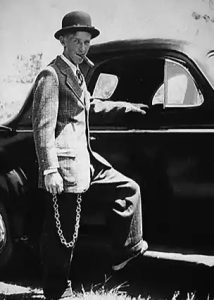
Turner, Doyne L.
Army Lieutenant colonel
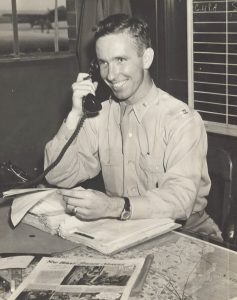
Doyne L. Turner from Muskogee County Muskogee, Oklahoma .

Service era: World War II

Date of death: Saturday, May 26, 1945
Death details: On April 24, 1945, a B-29 Superfortress (serial number 42-94206) with a crew of eleven departed Guam for a bombing mission against enemy installations in Tachikawa, Japan. Just after it dropped its bombs, this plane caught fire and entered a slow downward turn to the right before crashing and burning on the ground. Six members of the crew were killed in the crash. Their remains were later recovered near the crash site and identified. Five members of the crew bailed out and were taken to a military prison in Tokyo, where they later died during an airstrike. The remains of two of those men were later recovered and identified, but the remains of the other three could not be located. Lieutenant Colonel Doyne L. Turner entered the U.S. Army Air Forces from Arkansas and served with the 458th Bombardment Squadron, 330th Bombardment Group (Very Heavy). He was the observer aboard the B-29A, and was one of the survivors of the crash who died at the Tokyo Military Prison. His remains were not recovered and he is still unaccounted-for. Today, Lieutenant Colonel Turner is memorialized on the Courts of the Missing at the National Memorial Cemetery of the Pacific.

Source: National Archives, Defense POW/MIA Accounting Agency, Muskogee Daily Phoenix (1946)
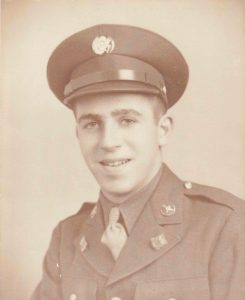
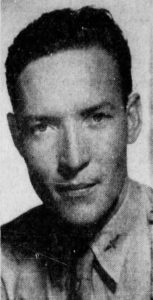
McNamara, Alfred J.
Army Staff sergeant

Alfred J. McNamara, age 20, from Cherry County Valentine, Nebraska .

Service era: World War II
Schools: Valentine High (1942)

Date of death: Saturday, May 26, 1945
Death details: First reported missing in 1945 during a B-29 raid over Tokyo. He was killed in a Japanese prison camp during one a U.S. air raid.

Source: National Archives, Defense POW/MIA Accounting Agency, Valentine Newspaper (1946)

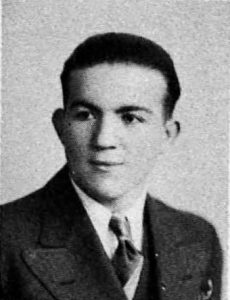
Duffy, Lawrence T.
Army Staff sergeant

Lawrence T. Duffy, age 22, from Franklin County Enosburg Falls, Vermont .

Parents: Patrick Duffy

Service era: World War II

Date of death: Saturday, May 26, 1945
Death details: On April 24, 1945, a B-29 Superfortress (serial number 42-94206) with a crew of eleven departed Guam for a bombing mission against enemy installations in Tachikawa, Japan. Just after it dropped its bombs, this plane caught fire and entered a slow downward turn to the right before crashing and burning on the ground. Six members of the crew were killed in the crash. Their remains were later recovered near the crash site and identified. Five members of the crew bailed out and were taken to a military prison in Tokyo, where they later died during an airstrike. The remains of two of those men were later recovered and identified, but the remains of the other three could not be located. Staff Sergeant Lawrence T. Duffy entered the U.S. Army Air Forces from Vermont and served with the 458th Bombardment Squadron, 330th Bombardment Group (Very Heavy). He was the gunner aboard the B-29A, and was one of the survivors of the crash who died at the Tokyo Military Prison. Today, Staff Sergeant Duffy is memorialized on the Courts of the Missing at the National Memorial Cemetery of the Pacific.

Source: National Archives, Defense POW/MIA Accounting Agency, Saint Albans Daily Messenger (1946)

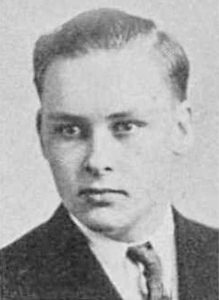
Younge, Henry L.
Army Sergeant

Henry L. Younge, age 20, from Suffolk County Copiague, New York .

Parents: Florence Younge

Service era: World War II

Date of death: Saturday, May 26, 1945
Death details:

On August 14, 2025, the Defense POW/MIA Accounting Agency identified the remains of U.S. Army Air Forces Sgt. Henry L. Younge, missing from World War II.

Younge entered the U.S. Army Air Forces from New York and served in the 30th Bombardment Squadron, 19th Bombardment Group. On April 24, 1945, he was the tail gunner on a B-29 Superfortress aircraft on a bombing mission against enemy installations in Kawasaki, Japan. During the mission, the aircraft was shot down and crashed in Chiba Prefecture. Younge survived the crash but was captured and imprisoned in Tokyo. On May 26, 1945, during a massive U.S. incendiary air raid on Tokyo, a fire engulfed the Tokyo Military Prison, killing all U.S. prisoners of war held there, including Younge. Following the war, American Graves Registration personnel recovered 65 sets of remains from the Tokyo Military Prison, but none could be identified as Younge. Thirty-nine unidentified remains associated with the fire were interred as Unknowns at Fort McKinley Cemetery, now the Manila American Cemetery in the Philippines. In 2022, DPAA disinterred these Unknowns and transferred them to the laboratory for analysis. Using modern forensic techniques, scientists individually identified Younge.

Source: National Archives, Defense POW/MIA Accounting Agency, Newsday (1945)

Zehler, Laverne J
Army Corporal

Laverne J Zehler, age 20, from Genesee County Batavia, New York .

Service era: World War II

Date of death: Saturday, May 26, 1945
Death details: On April 24, 1945, a B-29 Superfortress (serial number 42-94206) with a crew of eleven departed Guam for a bombing mission against enemy installations in Tachikawa, Japan. Just after it dropped its bombs, this plane caught fire and entered a slow downward turn to the right before crashing and burning on the ground. Six members of the crew were killed in the crash. Their remains were later recovered near the crash site and identified. Five members of the crew bailed out and were taken to a military prison in Tokyo, where they later died during an airstrike. The remains of two of those men were later recovered and identified, but the remains of the other three could not be located. Cpl. LaVerne J. Zehler entered the U.S. Army Air Forces from New York and served in the 93rd Bombardment Squadron, 19th Bombardment Group. On March 10, 1945, he was the radio operator on a B-29 Superfortress (serial number 44-69686) that took off from Guam for a bombing mission against enemy installations in Tokyo, Japan. During the mission, this aircraft crashed in Itabashi Village, Tsukuba District, Ibaraki Prefecture. Nine of the 12 men on board died in the crash. Of the three survivors, one was executed and the other two, including Zehler, were sent to the Tokyo Military Prison. On the night of May 25, 1945, a massive air raid ignited fires that consumed large parts of Tokyo, including the prison. All American prisoners held there were killed. U.S. personnel later recovered the remains of U.S. service members from the site of the fire, but not all could be identified at the time. Zehler has not been associated with any remains recovered from the area and is still unaccounted for. He is memorialized on the Courts of the Missing at the National Memorial Cemetery of the Pacific.

Source: National Archives, Defense POW/MIA Accounting Agency, Times Union (1946)

Nelson, Harold J. Jr.
Army 2nd lieutenant

Harold J. Jr. Nelson, age 20, from Los Angeles County California.

Service era: World War II

Date of death: Saturday, May 26, 1945
Death details: On April 24, 1945, a B-29 Superfortress (serial number 42-94206) with a crew of eleven departed Guam for a bombing mission against enemy installations in Tachikawa, Japan. Just after it dropped its bombs, this plane caught fire and entered a slow downward turn to the right before crashing and burning on the ground. Six members of the crew were killed in the crash. Their remains were later recovered near the crash site and identified. Five members of the crew bailed out and were taken to a military prison in Tokyo, where they later died during an airstrike. The remains of two of those men were later recovered and identified, but the remains of the other three could not be located. Second Lieutenant Harold J. Nelson Jr. entered the U.S. Army Air Forces from Minnesota and served in the 5th Bombardment Squadron, 9th Bombardment Group. He was the navigator on this Superfortress when it was shot down over Tokyo. Surviving the crash, 2LT Nelson was held as a prisoner of war but perished in the Tokyo Military Prison during a fire. He has not yet been definitively associated with any remains recovered from the area and is still unaccounted-for. Today, Second Lieutenant Nelson memorialized on the Courts of the Missing at the National Memorial Cemetery of the Pacific in Honolulu, Hawaii.

Source: National Archives, Defense POW/MIA Accounting Agency

Hahn, Elmer G.
Army Captain

Elmer G. Hahn, age 26, from Booneville County Idaho Falls, Idaho .

Service era: World War II

Date of death: Saturday, May 26, 1945
Death details: On April 24, 1945, a B-29 Superfortress (serial number 42-94206) with a crew of eleven departed Guam for a bombing mission against enemy installations in Tachikawa, Japan. Just after it dropped its bombs, this plane caught fire and entered a slow downward turn to the right before crashing and burning on the ground. Six members of the crew were killed in the crash. Their remains were later recovered near the crash site and identified. Five members of the crew bailed out and were taken to a military prison in Tokyo, where they later died during an airstrike. The remains of two of those men were later recovered and identified, but the remains of the other three could not be located. Captain Elmer G. Hahn entered the U.S. Army Air Forces from California and served in the 870th Bombardment Squadron, 497th Bombardment Group. He was the pilot aboard this Superfortress when it was shot down. After surviving the crash, he was held as a prisoner of war, and perished at the Tokyo Military Prison during the fire on May 26, 1945. He has not yet been definitively associated with any remains recovered from the area and is still unaccounted-for. Today, Captain Hahn is memorialized in the Courts of the Missing at the National Military Cemetery of the Pacific in Honolulu. Five Japanese war criminals were tried for the murder of Hahn and other captured American fliers.

Source: National Archives, Defense POW/MIA Accounting Agency, Post Register (1948)

Hill, Allan K.
Army Staff sergeant

Allan K. Hill, age 22, from Humboldt County Eureka, California .

Parents: Chester Hill

Service era: World War II

Date of death: Saturday, May 26, 1945
Death details: Killed in action

Source: National Archives, Defense POW/MIA Accounting Agency, Humboldt Times (1945), San Francisco Call Belletin

Homyak, Eugene A.
Army 2nd lieutenant

Eugene A. Homyak, age 22, from Colorado.

Service era: World War II

Date of death: Saturday, May 26, 1945
Death details: On April 24, 1945, a B-29 Superfortress (serial number 42-94206) with a crew of eleven departed Guam for a bombing mission against enemy installations in Tachikawa, Japan. Just after it dropped its bombs, this plane caught fire and entered a slow downward turn to the right before crashing and burning on the ground. Six members of the crew were killed in the crash. Their remains were later recovered near the crash site and identified. Five members of the crew bailed out and were taken to a military prison in Tokyo, where they later died during an airstrike. The remains of two of those men were later recovered and identified, but the remains of the other three could not be located. Second Lieutenant Eugene A. Homyak entered the U.S. Army Air Forces from Colorado and served in the 43rd Bombardment Squadron, 29th Bombardment Group. He was the radar navigator on this Superfortress when it was lost. 2LT Homyak was the lone survivor from his crew but was killed in the fire that consumed the Tokyo Military Prison. He has not been associated with any remains recovered from the area after the war and is still unaccounted-for. Today, Second Lieutenant Homyak is memorialized on the Courts of the Missing at the National Memorial Cemetery of the Pacific.

Source: National Archives, Defense POW/MIA Accounting Agency

Lund, Edwin P.
Army Private 1st class

Edwin P. Lund, age 23, from Snohomish County Everett, Washington .

Parents: Esvald Lund

Service era: World War II
Schools: Lincoln High (1941)

Date of death: Tuesday, April 24, 1945
Death details: On April 24, 1945, a B-29 Superfortress (serial number 42-94206) with a crew of eleven departed Guam for a bombing mission against enemy installations in Tachikawa, Japan. Just after it dropped its bombs, this plane caught fire and entered a slow downward turn to the right before crashing and burning on the ground. Six members of the crew were killed in the crash. Their remains were later recovered near the crash site and identified. Five members of the crew bailed out and were taken to a military prison in Tokyo, where they later died during an airstrike. The remains of two of those men were later recovered and identified, but the remains of the other three could not be located. Private First Class Edwin P. Lund entered the U.S. Army Air Forces from Washington and served with the 458th Bombardment Squadron, 330th Bombardment Group (Very Heavy). He was the radio operator gunner aboard the B-29A, and was one of the survivors of the crash who died at the Tokyo Military Prison. His remains were not recovered. Today, Private First Class Lund is memorialized on the Courts of the Missing at the National Memorial Cemetery of the Pacific.

Source: National Archives, Defense POW/MIA Accounting Agency, Daily Herald (1946)

Back To Top