Skip to content

Drake Jr., Theron William
Army Corporal
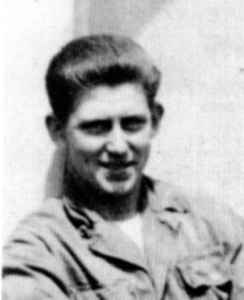
Theron William Drake Jr. from New York, Warren county.

Service era: Korea

Date of death: Sunday, July 16, 1950
Death details: On the evening of July 15, 1950, the U.S. Army’s 19th Infantry Regiment held defensive positions along the south bank of the Kum River. As dusk approached, North Korean People’s Army (NKPA) tanks appeared on the opposite shore and began firing on the U.S. positions. Although U.S. troops repulsed the attacks that evening, the next morning the NKPA crossed the river and launched a major attack against the 19th Regiment. As the regiment began withdrawing south to Taejon, the North Koreans pushed deep into their defensive lines and set up a roadblock en route to Taejon. When retreating American convoys could not break through the roadblock, soldiers were forced to leave the road and attempt to make their way in small groups across the countryside. Of the 900 soldiers in the 19th Infantry when the Battle of Kum River started, only 434 made it to friendly lines. Sergeant Theron William Drake Jr. entered the U.S. Army from North Dakota and was assigned to the Service Company, 19th Infantry Regiment, 24th Infantry Division. He went missing in action on July 16, during the Battle of Kum River, following his unit’s attempt to withdraw around an enemy roadblock outside Taejon. Sergeant Drake was never reported as a prisoner of war, and his remains were not recovered or identified following the conflict. He is still unaccounted for. Today, Sergeant Drake is memorialized on the Courts of the Missing at the National Memorial Cemetery of the Pacific.

Source: National Archives, Defense POW/MIA Accounting Agency
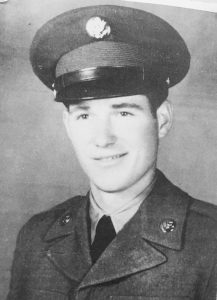
Heim, Warren Elias
Army Private

Warren Elias Heim from Pennsylvania, Northumberland county.

Service era: Korea

Date of death: Sunday, July 16, 1950
Death details: On the evening of July 15, 1950, the U.S. Army’s 19th Infantry Regiment held defensive positions along the south bank of the Kum River. As dusk approached, North Korean People’s Army (NKPA) tanks appeared on the opposite shore and began firing on the U.S. positions. Although U.S. troops repulsed the attacks that evening, the next morning the NKPA crossed the river and launched a major attack against the 19th Regiment. As the regiment began withdrawing south to Taejon, the North Koreans pushed deep into their defensive lines and set up a roadblock en route to Taejon. When retreating American convoys could not break through the roadblock, soldiers were forced to leave the road and attempt to make their way in small groups across the countryside. Of the 900 soldiers in the 19th Infantry when the Battle of Kum River started, only 434 made it to friendly lines. Private First Class Warren Elias Heim entered the U.S. Army from Pennsylvania and served with Company D, 1st Battalion, 19th Infantry Regiment, 24th Infantry Division. On July 16, he was captured during one of the many rear-guard actions in the Battle of Kum River. He was forced on the Tiger March to the Apex prison camps on the south bank of the Yalu River. PFC Heim was shot by the guards on November 8, during the last stages of this march somewhere between the villages of An-dong and Kaeyambol, and was buried at a site referred to as Chungang. His remains have not been identified among those returned to U.S, custody.Today, Private First Class Heim is memorialized on the Courts of the Missing at the National Memorial Cemetery of the Pacific.

Source: National Archives, Defense POW/MIA Accounting Agency

Lukitsch, John Joseph
Army Private 1st class

John Joseph Lukitsch from Pennsylvania, Lehigh county.

Service era: Korea

Date of death: Sunday, July 16, 1950
Death details: On the evening of July 15, 1950, the U.S. Army’s 19th Infantry Regiment held defensive positions along the south bank of the Kum River. As dusk approached, North Korean People’s Army (NKPA) tanks appeared on the opposite shore and began firing on the U.S. positions. Although U.S. troops repulsed the attacks that evening, the next morning the NKPA crossed the river and launched a major attack against the 19th Regiment. As the regiment began withdrawing south to Taejon, the North Koreans pushed deep into their defensive lines and set up a roadblock en route to Taejon. When retreating American convoys could not break through the roadblock, soldiers were forced to leave the road and attempt to make their way in small groups across the countryside. Of the 900 soldiers in the 19th Infantry when the Battle of Kum River started, only 434 made it to friendly lines. Corporal John Joseph Lukitsch, who joined the U.S. Army from Pennsylvania, served with Company C, 1st Battalion, 19th Infantry Regiment, 24th Infantry Division. He was captured by enemy forces on July 16, 1950, during the 19th Regiment’s withdrawal south from Taejon. He was marched north with a large group of prisoners, and died of exhaustion and incipient pneumonia near Manpo, North Korea, in late October 1950. His burial location was not recorded, and his remains were not identified among those returned to U.S. custody after the war. Today, Corporal Lukitsch is memorialized on the Courts of the Missing at the National Memorial Cemetery of the Pacific.

Source: National Archives, Defense POW/MIA Accounting Agency

Paytes, John Lee
Army Private 1st class

John Lee Paytes from Ohio, Clermont county.

Service era: Korea

Date of death: Sunday, July 16, 1950
Death details: On the evening of July 15, 1950, the U.S. Army’s 19th Infantry Regiment held defensive positions along the south bank of the Kum River. As dusk approached, North Korean People’s Army (NKPA) tanks appeared on the opposite shore and began firing on the U.S. positions. Although U.S. troops repulsed the attacks that evening, the next morning the NKPA crossed the river and launched a major attack against the 19th Regiment. As the regiment began withdrawing south to Taejon, the North Koreans pushed deep into their defensive lines and set up a roadblock en route to Taejon. When retreating American convoys could not break through the roadblock, soldiers were forced to leave the road and attempt to make their way in small groups across the countryside. Of the 900 soldiers in the 19th Infantry when the Battle of Kum River started, only 434 made it to friendly lines. Corporal John Lee Paytes entered the U.S. Army from Ohio and served with Company A, 1st Battalion, 19th Infantry Regiment, 24th Infantry Division. He was captured on July 16, during the Battle of Kum River, while his unit was attempting to withdraw through an enemy roadblock outside Taejon. After his capture, CPL Paytes was taken to Seoul, then eventually to Pyongyang, where in October 1950 he was boarded onto a train headed to Sunch’on. However, he never reached Sunch’on, and died on an unknown date while en route on the train. His burial location was not recorded, and his remains were never recovered or identified. Today, Corporal Paytes is memorialized on the Courts of the Missing at the National Memorial Cemetery of the Pacific.

Source: National Archives, Defense POW/MIA Accounting Agency

Scott, Floyd Edward
Army Private

Floyd Edward Scott from Missouri, Dunklin county.

Service era: Korea

Date of death: Sunday, July 16, 1950
Death details: On the evening of July 15, 1950, the U.S. Army’s 19th Infantry Regiment held defensive positions along the south bank of the Kum River. As dusk approached, North Korean People’s Army (NKPA) tanks appeared on the opposite shore and began firing on the U.S. positions. Although U.S. troops repulsed the attacks that evening, the next morning the NKPA crossed the river and launched a major attack against the 19th Regiment. As the regiment began withdrawing south to Taejon, the North Koreans pushed deep into their defensive lines and set up a roadblock en route to Taejon. When retreating American convoys could not break through the roadblock, soldiers were forced to leave the road and attempt to make their way in small groups across the countryside. Of the 900 soldiers in the 19th Infantry when the Battle of Kum River started, only 434 made it to friendly lines. Private First Class Floyd Edward Scott entered the U.S. Army from Pennsylvania and served with Company A, 1st Battalion, 19th Infantry Regiment, 24th Infantry Division. He was captured on July 16, 1950, during the Battle of Kum River, while his unit was attempting to withdraw through and around an enemy roadblock outside Taejon. After being marched between various holding camps in North Korea, he reached Chunggang-jin on or about November 9. He died due to exhaustion and illness several days later among his companions, who buried him near the edge of the village. His remains have not been recovered. Today, Private First Class Scott is memorialized on the Courts of the Missing at the National Memorial Cemetery of the Pacific.

Source: National Archives, Defense POW/MIA Accounting Agency

Wright, Robert Arle
Army Private

Robert Arle Wright, age 18, from Kentucky, Daviess county.

Service era: Korea

Date of death: Sunday, July 16, 1950
Death details: The government identified Robert’s remains on August 15, 2022. On the evening of July 15, 1950, the U.S. Army’s 19th Infantry Regiment held defensive positions along the south bank of the Kum River. As dusk approached, North Korean People’s Army (NKPA) tanks appeared on the opposite shore and began firing on the U.S. positions. Although U.S. troops repulsed the attacks that evening, the next morning the NKPA crossed the river and launched a major attack against the 19th Regiment. As the regiment began withdrawing south to Taejon, the North Koreans pushed deep into their defensive lines and set up a roadblock en route to Taejon. When retreating American convoys could not break through the roadblock, soldiers were forced to leave the road and attempt to make their way in small groups across the countryside. Of the 900 soldiers in the 19th Infantry when the Battle of Kum River started, only 434 made it to friendly lines. Private First Class Robert Arle Wright entered the U.S. Army from Kentucky and served with Company C, 1st Battalion, 19th Infantry Regiment, 24th Infantry Division. He went missing on July 16, when Company C’s positions outside Taejon were overrun during the Battle of Kum River. He was never reported to be a prisoner of war. Today, Private First Class Wright is memorialized on the Courts of the Missing at the National Memorial Cemetery of the Pacific.

Source: National Archives, Defense POW/MIA Accounting Agency

Adkins, Vernon Eugene
Army Private 1st class

Vernon Eugene Adkins, age 19, from Michigan, Wayne county.

Service era: Korea

Date of death: Sunday, July 16, 1950
Death details: On the evening of July 15, 1950, the U.S. Army’s 19th Infantry Regiment held defensive positions along the south bank of the Kum River. As dusk approached, North Korean People’s Army (NKPA) tanks appeared on the opposite shore and began firing on the U.S. positions. Although U.S. troops repulsed the attacks that evening, the next morning the NKPA crossed the river and launched a major attack against the 19th Regiment. As the regiment began withdrawing south to Taejon, the North Koreans pushed deep into their defensive lines and set up a roadblock en route to Taejon. When retreating American convoys could not break through the roadblock, soldiers were forced to leave the road and attempt to make their way in small groups across the countryside. Of the 900 soldiers in the 19th Infantry when the Battle of Kum River started, only 434 made it to friendly lines. Corporal Vernon Eugene Adkins entered the U.S. Army from Michigan and served with Company D, 1st Battalion, 19th Infantry Regiment, 24th Infantry Division. On July 16, he went missing in action during the Battle of Kum River, following his unit’s attempt to withdraw through and around enemy roadblocks outside Taejon. Corporal Adkins was never reported as a prisoner of war, and his remains were not recovered or identified following the conflict. Today, Corporal Adkins is memorialized on the Courts of the Missing at the National Memorial Cemetery of the Pacific.

Source: National Archives, Defense POW/MIA Accounting Agency

Dunn, Francis
Army Private 1st Class

Francis Dunn from New York, Rensselaer county.

Service era: Korea

Date of death: Sunday, July 16, 1950
Death details: On the evening of July 15, 1950, the U.S. Army’s 19th Infantry Regiment held defensive positions along the south bank of the Kum River. As dusk approached, North Korean People’s Army (NKPA) tanks appeared on the opposite shore and began firing on the U.S. positions. Although U.S. troops repulsed the attacks that evening, the next morning the NKPA crossed the river and launched a major attack against the 19th Regiment. As the regiment began withdrawing south to Taejon, the North Koreans pushed deep into their defensive lines and set up a roadblock en route to Taejon. When retreating American convoys could not break through the roadblock, soldiers were forced to leave the road and attempt to make their way in small groups across the countryside. Of the 900 soldiers in the 19th Infantry when the Battle of Kum River started, only 434 made it to friendly lines. Corporal Francis Dunn entered the U.S. Army from New York and served with Company A, 1st Battalion, 19th Infantry Regiment, 24th Infantry Division. He was wounded by small arms fire on July 16, during the Battle of Kum River, as his unit attempted to withdraw through enemy roadblocks outside Taejon. While seeking medical care at a nearby first aid station, he was captured when the area was overrun by the enemy. After his capture, he was marched toward the “Apex” prisoner of war camps, but died en route near Kosan, on October 27, due to exposure, malnutrition and possibly his wounds. He was subsequently buried in Kosan. His remains have not been recovered. Today, Corporal Dunn is memorialized on the Courts of the Missing at the National Memorial Cemetery of the Pacific.

Source: National Archives, Defense POW/MIA Accounting Agency

Hendricks Jr., Charles Howard
Army Private

Charles Howard Hendricks Jr. from Michigan, Ottawa county.

Service era: Korea

Date of death: Sunday, July 16, 1950
Death details: On the evening of July 15, 1950, the U.S. Army’s 19th Infantry Regiment held defensive positions along the south bank of the Kum River. As dusk approached, North Korean People’s Army (NKPA) tanks appeared on the opposite shore and began firing on the U.S. positions. Although U.S. troops repulsed the attacks that evening, the next morning the NKPA crossed the river and launched a major attack against the 19th Regiment. As the regiment began withdrawing south to Taejon, the North Koreans pushed deep into their defensive lines and set up a roadblock en route to Taejon. When retreating American convoys could not break through the roadblock, soldiers were forced to leave the road and attempt to make their way in small groups across the countryside. Of the 900 soldiers in the 19th Infantry when the Battle of Kum River started, only 434 made it to friendly lines. Private First Class Charles Howard Hendricks Jr. entered the U.S. Army from Michigan and served with Company G, 2nd Battalion, 19th Infantry Regiment, 24th Infantry Division. He was captured on July 16, during the Battle of Kum River, as his unit attempted to withdraw to Taejon. He was reportedly a part of a group of prisoners of war (POWs) killed in a train massacre that occurred in a tunnel outside of Sunch’on. His body was subsequently recovered and identified by advancing American troops, and he was buried in a United Nations cemetery in Pyongyang. After communist troops retook Pyongyang, American forces were unable to recover the remains of those buried at this cemetery. Private First Class Hendricks was not identified among the remains returned to U.S. custody after the war. Today, Private First Class Hendricks is memorialized on the Courts of the Missing at the National Memorial Cemetery of the Pacific.

Source: National Archives, Defense POW/MIA Accounting Agency

Macomber, Wayne Burton
Army Captain

Wayne Burton Macomber from Kansas, Lyon county.

Service era: Korea

Date of death: Sunday, July 16, 1950
Death details: On the evening of July 15, 1950, the U.S. Army’s 19th Infantry Regiment held defensive positions along the south bank of the Kum River. As dusk approached, North Korean People’s Army (NKPA) tanks appeared on the opposite shore and began firing on the U.S. positions. Although U.S. troops repulsed the attacks that evening, the next morning the NKPA crossed the river and launched a major attack against the 19th Regiment. As the regiment began withdrawing south to Taejon, the North Koreans pushed deep into their defensive lines and set up a roadblock en route to Taejon. When retreating American convoys could not break through the roadblock, soldiers were forced to leave the road and attempt to make their way in small groups across the countryside. Of the 900 soldiers in the 19th Infantry when the Battle of Kum River started, only 434 made it to friendly lines. Captain Wayne Burton Macomber entered the U.S. Army from Kansas and served with Headquarters Company, 1st Battalion, 19th Infantry Regiment, 24th Infantry Division. He was captured on July 16, 1950, during the Battle of Kum River, while attempting to break through an enemy roadblock south to Taejon. After being marched to various holding camps in North Korea, he was eventually interned at the Apex POW camp in An-dong, North Korea. He was mortally ill by the time he reached the camp and died at some point in the summer of 1951. He was buried near the camp, but his remains were not identified among those later returned to U.S. custody. He is still unaccounted-for. Today, Captain Macomber is memorialized on the Courts of the Missing at the National Memorial Cemetery of the Pacific.

Source: National Archives, Defense POW/MIA Accounting Agency

Back To Top