Skip to content

Bermudo, Florentino E.
Army Sergeant

Florentino E. Bermudo from Philippines.

Service era: World War II

Date of death: Tuesday, October 31, 1944
Death details: Missing in action or buried at sea
Cemetery: Tablets of the Missing at Manila American

Source: American Battle Monuments Commission, Defense POW/MIA Accounting Agency

Huffcut, Robert J.
Army 2nd lieutenant

Robert J. Huffcut from New York, Erie county.

Service era: World War II

Date of death: Friday, August 11, 1944
Death details: Following the Allied surrender on the Bataan Peninsula on April 9, 1942, the Japanese began the forcible transfer of American and Filipino prisoners of war to various prison camps in central Luzon, at the northern end of the Philippines. The largest of these camps was the notorious Cabanatuan Prison Camp. At its peak, Cabanatuan held approximately 8,000 American and Filipino prisoners of war that were captured during and after the Fall of Bataan. Camp overcrowding worsened with the arrival of Allied prisoners who had surrendered from Corregidor on May 6, 1942. Conditions at the camp were poor, with food and water extremely limited, leading to widespread malnutrition and outbreaks of malaria and dysentery. By the time the camp was liberated in early 1945, approximately 2,800 Americans had died at Cabanatuan. Prisoners were forced to bury the dead in makeshift communal graves, often completed without records or markers. As a result, identifying and recovering remains interred at Cabanatuan was difficult in the years after the war. Second Lieutenant Robert J. Huffcut joined the U.S. Army from New York and served with the Signal Corps in the Philippines during World War II. He was captured in Bataan following the American surrender and eventually interned in the Cabanatuan Prison Camp in Nueva Ecija Province. On August 11, 1944, he was shot and killed by a Japanese sentry while attempting to retrieve an eggplant that had rolled outside the camp perimeter boundary. He was buried in an isolated grave in the camp cemetery; however, his remains could not be associated with any remains recovered from Cabanatuan after the war. Today, Second Lieutenant Huffcut is memorialized on the Walls of the Missing at the Manila American Cemetery in the Philippines.

Source: National Archives, Defense POW/MIA Accounting Agency
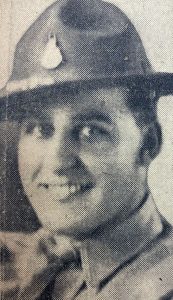
Carey, Chester A.
Army Technician 5

Chester A. Carey from California, Merced county.

Service era: World War II

Date of death: Wednesday, December 22, 1943
Death details: Following the Allied surrender on the Bataan Peninsula on April 9, 1942, the Japanese began the forcible transfer of American and Filipino prisoners of war to various prison camps in central Luzon, at the northern end of the Philippines. The largest of these camps was the notorious Cabanatuan Prison Camp. At its peak, Cabanatuan held approximately 8,000 American and Filipino prisoners of war that were captured during and after the Fall of Bataan. Camp overcrowding worsened with the arrival of Allied prisoners who had surrendered from Corregidor on May 6, 1942. Conditions at the camp were poor, with food and water extremely limited, leading to widespread malnutrition and outbreaks of malaria and dysentery. By the time the camp was liberated in early 1945, approximately 2,800 Americans had died at Cabanatuan. Prisoners were forced to bury the dead in makeshift communal graves, often completed without records or markers. As a result, identifying and recovering remains interred at Cabanatuan was difficult in the years after the war. Technician Fifth Grade Chester A. Carey entered the U.S. Army from California and served with the Quartermaster Corps, Philippine Department on Luzon Island during World War II. He was captured in Bataan following the American surrender and died of tuberculosis and dysentery on December 22, 1943 at the Cabanatuan Prison Camp in Nueva Ecija Province. He was buried in an isolated grave in the camp cemetery; however, his remains could not be associated with any remains recovered from Cabanatuan after the war. Today, Technician Fifth Grade Carey is memorialized on the Walls of the Missing at the Manila American Cemetery in the Philippines.

Source: National Archives, Defense POW/MIA Accounting Agency

McCord, Julian C.
Army Private

Julian C. McCord from Alabama, DeKalb county.

Service era: World War II

Date of death: Friday, October 29, 1943
Death details: Following the Allied surrender on the Bataan Peninsula on April 9, 1942, the Japanese began the forcible transfer of American and Filipino prisoners of war to various prison camps in central Luzon, at the northern end of the Philippines. The largest of these camps was the notorious Cabanatuan Prison Camp. At its peak, Cabanatuan held approximately 8,000 American and Filipino prisoners of war that were captured during and after the Fall of Bataan. Camp overcrowding worsened with the arrival of Allied prisoners who had surrendered from Corregidor on May 6, 1942. Conditions at the camp were poor, with food and water extremely limited, leading to widespread malnutrition and outbreaks of malaria and dysentery. By the time the camp was liberated in early 1945, approximately 2,800 Americans had died at Cabanatuan. Prisoners were forced to bury the dead in makeshift communal graves, often completed without records or markers. As a result, identifying and recovering remains interred at Cabanatuan was difficult in the years after the war. Private Julian C. McCord joined the U.S. Army from Alabama and served with the 698th Ordnance Company in the Philippines during World War II. He was captured on Corregidor Island following the American surrender on May 6, 1942, and was shot and killed during an escape attempt from the Cabanatuan Prison Camp in Nueva Ecija Province on October 29, 1943. He was buried in an isolated grave in the camp cemetery; however, his remains could not be associated with any remains recovered from Cabanatuan after the war. Today, Private McCord is memorialized on the Walls of the Missing at the Manila American Cemetery in the Philippines.

Source: National Archives, Defense POW/MIA Accounting Agency

Shove, Robert Glenn
Navy Fireman 1st class

Robert Glenn Shove, age 21, from Sioux City, Iowa, Woodbury county.

Parents: Ruth Poole

Service era: World War II

Date of death: Wednesday, October 27, 1943
Death details: Following the Allied surrender on the Bataan Peninsula on April 9, 1942, the Japanese began the forcible transfer of American and Filipino prisoners of war to various prison camps in central Luzon, at the northern end of the Philippines. The largest of these camps was the notorious Cabanatuan Prison Camp. At its peak, Cabanatuan held approximately 8,000 American and Filipino prisoners of war that were captured during and after the Fall of Bataan. Camp overcrowding worsened with the arrival of Allied prisoners who had surrendered from Corregidor on May 6, 1942. Conditions at the camp were poor, with food and water extremely limited, leading to widespread malnutrition and outbreaks of malaria and dysentery. By the time the camp was liberated in early 1945, approximately 2,800 Americans had died at Cabanatuan. Prisoners were forced to bury the dead in makeshift communal graves, often completed without records or markers. As a result, identifying and recovering remains interred at Cabanatuan was difficult in the years after the war. Fireman First Class Robert G. Shove, who joined the U.S. Navy from Iowa, served aboard the submarine tender USS Canopus (AS-9), which was based in the Philippines during World War II. He was captured on Corregidor Island following the Allied surrender and was taken to the Cabanatuan Prison Camp, where he died of tuberculosis on October 27, 1943, and was buried in an isolated grave in the camp cemetery. After the war, his remains could not be identified among those disinterred from Cabanatuan. Today, Fireman First Class Shove is memorialized on the Walls of the Missing at the Manila American Cemetery in the Philippines.

Source: National Archives, Defense POW/MIA Accounting Agency

Bronge, Robert E.
Army Sergeant

Robert E. Bronge, age 23, from Illinois, Cook county.

Service era: World War II

Date of death: Saturday, July 31, 1943
Death details: Following the Allied surrender on the Bataan Peninsula on April 9, 1942, the Japanese began the forcible transfer of American and Filipino prisoners of war to various prison camps in central Luzon, at the northern end of the Philippines. The largest of these camps was the notorious Cabanatuan Prison Camp. At its peak, Cabanatuan held approximately 8,000 American and Filipino prisoners of war that were captured during and after the Fall of Bataan. Camp overcrowding worsened with the arrival of Allied prisoners who had surrendered from Corregidor on May 6, 1942. Conditions at the camp were poor, with food and water extremely limited, leading to widespread malnutrition and outbreaks of malaria and dysentery. By the time the camp was liberated in early 1945, approximately 2,800 Americans had died at Cabanatuan. Prisoners were forced to bury the dead in makeshift communal graves, often completed without records or markers. As a result, identifying and recovering remains interred at Cabanatuan was difficult in the years after the war. Sergeant Robert E. Bronge entered the U.S. Army from Illinois and served with the 192nd Tank Battalion in the Philippines during World War II. He was captured in Bataan following the American surrender and died of dysentery and malaria on July 31, 1943 at the Cabanatuan Prison Camp in Nueva Ecija Province. He was buried in a communal grave in the camp cemetery along with other deceased American POWs; however, his remains could not be associated with any remains recovered from Cabanatuan after the war. Today, Sergeant Bronge is memorialized on the Walls of the Missing at the Manila American Cemetery in the Philippines.
Cemetery: Manila American Cemetery

Source: National Archives, American Battle Monuments Commission, Defense POW/MIA Accounting Agency

Anderson, John A.
Army Technical sergeant

John A. Anderson from Wisconsin, Milwaukee county.

Service era: World War II

Date of death: Sunday, July 11, 1943
Death details: Following the Allied surrender on the Bataan Peninsula on April 9, 1942, the Japanese began the forcible transfer of American and Filipino prisoners of war to various prison camps in central Luzon, at the northern end of the Philippines. The largest of these camps was the notorious Cabanatuan Prison Camp. At its peak, Cabanatuan held approximately 8,000 American and Filipino prisoners of war that were captured during and after the Fall of Bataan. Camp overcrowding worsened with the arrival of Allied prisoners who had surrendered from Corregidor on May 6, 1942. Conditions at the camp were poor, with food and water extremely limited, leading to widespread malnutrition and outbreaks of malaria and dysentery. By the time the camp was liberated in early 1945, approximately 2,800 Americans had died at Cabanatuan. Prisoners were forced to bury the dead in makeshift communal graves, often completed without records or markers. As a result, identifying and recovering remains interred at Cabanatuan was difficult in the years after the war. Technical Sergeant John A. Anderson joined the U.S. Army from Wisconsin and was assigned to the Headquarters Company of the 31st Infantry Regiment in the Philippines. He was captured in Bataan following the American surrender in 1942, and died of diphtheria on January 11, 1943, while held at the Cabanatuan Prison Camp. He was buried in a communal grave in the camp cemetery along with other deceased American POWs; however, TSG Anderson was not associated with any remains recovered from Cabanatuan after the war. He remains unaccounted-for. Today, Technical Sergeant Anderson is memorialized on the Walls of the Missing at the Manila American Cemetery in the Philippines.

Source: National Archives, Defense POW/MIA Accounting Agency

Dorman, David J.
Army Private 1st class

David J. Dorman from Arizona.

Service era: World War II

Date of death: Saturday, June 12, 1943
Death details: Following the Allied surrender on the Bataan Peninsula on April 9, 1942, the Japanese began the forcible transfer of American and Filipino prisoners of war to various prison camps in central Luzon, at the northern end of the Philippines. The largest of these camps was the notorious Cabanatuan Prison Camp. At its peak, Cabanatuan held approximately 8,000 American and Filipino prisoners of war that were captured during and after the Fall of Bataan. Camp overcrowding worsened with the arrival of Allied prisoners who had surrendered from Corregidor on May 6, 1942. Conditions at the camp were poor and food and water supplied extremely limited, leading to widespread malnutrition and outbreaks of malaria and dysentery. By the time the camp was liberated in early 1945, approximately 2,800 Americans had died at Cabanatuan. Prisoners were forced to bury the dead in makeshift communal graves often completed without records or markers. As a result, identifying and recovering remains interred at Cabanatuan was difficult in the years after the war. Private First Class David J. Dorman entered the U.S. Army Air Forces from Wyoming and served in the 28th Materiel Squadron, 20th Air Base Group in the Philippines during World War II. He was captured on Corregidor Island following the American surrender and died of a throat infection on June 12, 1943 at the Cabanatuan Prison Camp in Nueva Ecija Province. He was buried in a communal grave in the camp cemetery along with other deceased American POWs; however, his remains could not be associated with any remains recovered from Cabanatuan after the war. Today, Private First Class Dorman is memorialized on the Walls of the Missing at the Manila American Cemetery in the Philippines.

Source: National Archives, Defense POW/MIA Accounting Agency

Back To Top