Skip to content

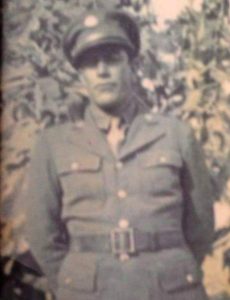
Morris, John C III
Army Corporal
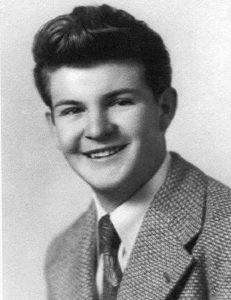
John C III Morris, age 20, from Los Angeles County California.

Parents: John C. Morris Jr.

Service era: Korea

Date of death: Sunday, October 8, 1950
Death details: On July 30, 1950, the 19th and 29th Infantry Regiments of the 24th Infantry Division were deployed in defensive positions along the Chinju-Masan roadway east of Chinju, South Korea. That evening, the North Korean People’s Army (NKPA) attacked the 19th Infantry with overwhelming force, driving them back into the 29th Infantry and pushing both regiments to the south. The next day, the 19th and 29th Infantry Regiments were able to establish new defensive positions to the south of their former positions, though many men were killed or went missing during the action. Sergeant John C. Morris, who joined the U.S. Army from California, served with E Company, 2nd Battalion, 19th Infantry Regiment, 24th Infantry Division. He was captured by enemy forces on July 31, 1950, as the 19th Infantry conducted a fighting withdrawal to the south. He was marched north towards Pyongyang, North Korea, but died on October 8 at an unknown location en route to Pyongyang when the group of prisoners he was with was mistakenly strafed by friendly aircraft. His body is believed to have been buried by United Nations troops at the U.N. cemetery in Pyongyang. Enemy troops re-took Pyongyang soon afterwards, and the city remained in enemy hands throughout the war. After the war, Sgt Morris’s remains were not identified among those returned to U.S. custody. Today, Sergeant Morris is memorialized on the Courts of the Missing at the National Memorial Cemetery of the Pacific. His name is also inscribed on the Korean War Veterans Memorial Wall in Washington, DC, which was updated in 2022 to include the names of the fallen.

Source: National Archives, Defense POW/MIA Accounting Agency, Los Gatos Times Saratoga Observer (1952)
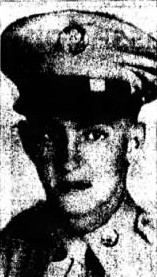
Conrad, Jack Dwayne
Army Private

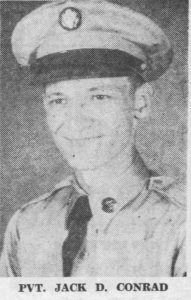
Jack Dwayne Conrad, age 18, from Delaware County Muncie, Indiana .

Parents: Fred W. Conrad. The parents were notified on the same day via telegram in August1950 that their boys were missing.

Service era: Korea

Date of death: Monday, July 31, 1950
Death details: On July 30, 1950, the 19th and 29th Infantry Regiments of the 24th Infantry Division were deployed in defensive positions along the Chinju-Masan roadway east of Chinju, South Korea. That evening, the North Korean People’s Army (NKPA) attacked the 19th Infantry with overwhelming force, driving them back into the 29th Infantry and pushing both regiments to the south. The next day, the 19th and 29th Infantry Regiments were able to establish new defensive positions to the south of their former positions, though many men were killed or went missing during the action. Private Jack Dwayne Conrad, who joined the U.S. Army from Indiana, served with Headquarters Company, 1st Battalion, 29th Infantry Regiment, 24th Infantry Division. He was killed in action on July 31, 1950, near Chinju as his unit made a fighting withdrawal southeast toward new defensive positions. His brother, PFC Richard Leon Conrad, was killed on the same day in the same location. The confusion on the battlefield and the speed of the withdrawal prevented the immediate recovery of their bodies, and although numerous searches were later conducted for the remains of the two brothers, their bodies were never recovered. Today, Private Conrad is memorialized on the Courts of the Missing at the National Memorial Cemetery of the Pacific. His name is also inscribed on the Korean War Veterans Memorial Wall in Washington, DC, which was updated in 2022 to include the names of the fallen.

Source: National Archives, Defense POW/MIA Accounting Agency, Star Press (1951)

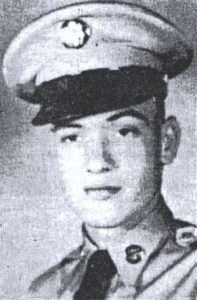
Conrad, Richard Leon
Army Private

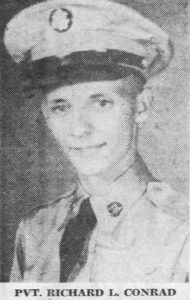
Richard Leon Conrad, age 20, from Delaware County Muncie, Indiana .

Parents: Fred W. Conrad. The parents were notified on the same day via telegram in August1950 that their boys were missing.

Service era: Korea

Date of death: Monday, July 31, 1950
Death details: On July 30, 1950, the 19th and 29th Infantry Regiments of the 24th Infantry Division were deployed in defensive positions along the Chinju-Masan roadway east of Chinju, South Korea. That evening, the North Korean People’s Army (NKPA) attacked the 19th Infantry with overwhelming force, driving them back into the 29th Infantry and pushing both regiments to the south. The next day, the 19th and 29th Infantry Regiments were able to establish new defensive positions to the south of their former positions, though many men were killed or went missing during the action. Private First Class Richard Leon Conrad, who joined the U.S. Army from Indiana, served with Headquarters Company, 1st Battalion, 29th Infantry Regiment, 24th Infantry Division. He was killed in action on July 31, 1950, near Chinju, as his unit made a fighting withdrawal to the southeast and new defensive positions. His body could not be recovered due to the confusion of battle and the speed of the withdrawal. After the battle, numerous searches were made for his body without success. Today, Private First Class Conrad is memorialized on the Courts of the Missing at the National Memorial Cemetery of the Pacific. His name is also inscribed on the Korean War Veterans Memorial Wall in Washington, DC, which was updated in 2022 to include the names of the fallen.

Source: National Archives, Defense POW/MIA Accounting Agency, Star Press (1951)

Lopez, Fernando
Army Private

Fernando Lopez, age 44, from El Paso County El Paso, Texas .

Service era: Korea

Date of death: Monday, July 31, 1950
Death details: On July 30, 1950, the 19th and 29th Infantry Regiments of the 24th Infantry Division were deployed in defensive positions along the Chinju-Masan roadway east of Chinju, South Korea. That evening, the North Korean People’s Army (NKPA) attacked the 19th Infantry with overwhelming force, driving them back into the 29th Infantry and pushing both regiments to the south. The next day, the 19th and 29th Infantry Regiments were able to establish new defensive positions to the south of their former positions, though many men were killed or went missing during the action. Private First Class Fernando Lopez Lopez, who joined the U.S. Army from Texas, served with Headquarters Company, 2nd Battalion, 19th Infantry Regiment, 24th Infantry Division. He went missing in action on July 31, 1950, as his unit made a two-day fighting withdrawal to Chinju, South Korea. No one saw him fall in battle, and he was not reported to be a prisoner of war. After the war, numerous extensive searches failed to locate and identify his remains. Today, Private First Class Lopez is memorialized on the Courts of the Missing at the National Memorial Cemetery of the Pacific. His name is also inscribed on the Korean War Veterans Memorial Wall in Washington, DC, which was updated in 2022 to include the names of the fallen.

Source: National Archives, Defense POW/MIA Accounting Agency, El Paso Times (1954)

Lundberg, Kenneth
Army Private

Kenneth Lundberg, age 20, from Oneida County Rhinelander, Wisconsin .

Service era: Korea
Schools: Rhinelander High
Military history: Purple Heart

Date of death: Monday, July 31, 1950
Death details: On July 30, 1950, the 19th and 29th Infantry Regiments of the 24th Infantry Division were deployed in defensive positions along the Chinju-Masan roadway east of Chinju, South Korea. That evening, the North Korean People’s Army (NKPA) attacked the 19th Infantry with overwhelming force, driving them back into the 29th Infantry and pushing both regiments to the south. The next day, the 19th and 29th Infantry Regiments were able to establish new defensive positions to the south of their former positions, though many men were killed or went missing during the action. Sergeant Kenneth Lundberg, who joined the U.S. Army from Wisconsin, served with F Company, 2nd Battalion, 19th Infantry Regiment, 24th Infantry Division. He was captured by enemy forces as his unit made a fighting withdrawal to Chinju, South Korea, and marched with a large group of prisoners to Seoul, where they were temporarily housed in a schoolhouse. Sergeant Lundberg disappeared from the records at this point. He was not held at any other known location in South or North Korea and is believed to have died somewhere along the route to a permanent prison camp North Korea. After the war, his remains were not identified among those returned to U.S. custody. Today, Sergeant Lundberg is memorialized on the Courts of the Missing at the National Memorial Cemetery of the Pacific. His name is also inscribed on the Korean War Veterans Memorial Wall in Washington, DC, which was updated in 2022 to include the names of the fallen.

Source: National Archives, Defense POW/MIA Accounting Agency, Rhinelander Daily News (1954)

Walker, Jack Leo
Army Private 1st class

Jack Leo Walker, age 17, from Nicholas County Swiss, West Virginia .

Parents: Myrtle Walker

Service era: Korea

Date of death: Monday, July 31, 1950
Death details: On October 26, 1987, the U.S. Army Central Identification Laboratory-Hawaii (CILHI, now DPAA) identified the remains of Corporal Jack Leo Walker, missing from the Korean War. Corporal Walker entered the U.S. Army from West Virginia and served in Headquarters Company, 2nd Battalion, 29th Infantry Regimental Combat Team. He was reported missing on July 31, 1950, during action near Chinju, South Korea. In 1987, CPL Walker’s remains were recovered and identified. Corporal Walker is memorialized on the Courts of the Missing at the National Memorial Cemetery of the Pacific. His name is also inscribed on the Korean War Veterans Memorial Wall in Washington, DC, which was updated in 2022 to include the names of the fallen.

Source: National Archives, Defense POW/MIA Accounting Agency, Hinton Daily News (1950)

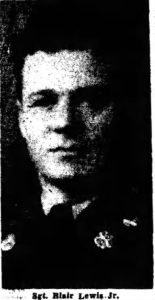
Lewis, Blair Jr.
Army Corporal

Blair Jr. Lewis, age 23, from Indiana County Indiana, Pennsylvania .

Parents: Blair S. Lewis

Service era: Korea

Date of death: Monday, July 31, 1950
Death details: On July 30, 1950, the 19th and 29th Infantry Regiments of the 24th Infantry Division were deployed in defensive positions along the Chinju-Masan roadway east of Chinju, South Korea. That evening, the North Korean People’s Army (NKPA) attacked the 19th Infantry with overwhelming force, driving them back into the 29th Infantry and pushing both regiments to the south. The next day, the 19th and 29th Infantry Regiments were able to establish new defensive positions to the south of their former positions, though many men were killed or went missing during the action. Sergeant Blair Junior Lewis, who joined the U.S. Army from Pennsylvania, served with G Company, 2nd Battalion, 19th Infantry Regiment, 24th Infantry Division. He went missing in action on July 31, 1950, as his unit made a two-day fighting withdrawal to Chinju. No one saw him fall in battle, and he was not reported to be a prisoner of war. After the war, numerous extensive searches of the battlefield failed to locate his remains. Today, Sergeant Lewis is memorialized on the Courts of the Missing at the National Memorial Cemetery of the Pacific. His name is also inscribed on the Korean War Veterans Memorial Wall in Washington, DC, which was updated in 2022 to include the names of the fallen.

Source: National Archives, Defense POW/MIA Accounting Agency, Indiana Gazette (1954)

Back To Top