Skip to content

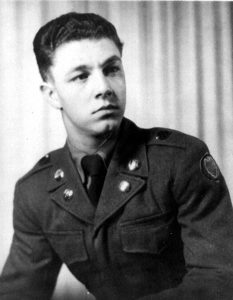
Hallum, Leonard David
Army Private
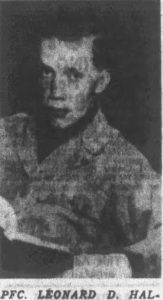
Leonard David Hallum, age 10, from Putnam County Cookeville, Tennessee .

Parents: Hattie F. Hallum and preceded in death by John Hallum

Service era: Korea

Date of death: Saturday, June 9, 1951
Death details: Members of the U.S. 34th Infantry Regiment were among the first U.S. ground troops to arrive in South Korea following the North Korean Peoples Army (NKPA) invasion on June 25, 1950. The 34th, which had been on garrison duty in Japan, was undermanned and under-equipped and had little field experience. It’s mission was to delay the NKPA’s surge to the south as long as possible so that reinforcements could arrive. On July 6 the NKPA attacked the 1st and 3rd Battalions of the 34th Infantry north of the town of Chonan, South Korea. The U.S. troops withdrew slowly back to Chonan, and established defensive lines there. Private First Class Leonard David Hallum entered the U.S. Army from Tennessee and served with K Company, 3rd Battalion, 34th Infantry Regiment, 24th Infantry Division. He was captured by enemy forces near Chonan, South Korea, on July 7, 1950, and was a part of the forced “Tiger March” to the Apex prisoner of war camps near the Yalu River. Repatriated American prisoners of war later reported that PFC Hallum died at a prison camp in Andong, North Korea, on or before June 9, 1951. His remains were not identified among those returned to U.S. custody after the war, and he is still unaccounted-for. Today, Private First Class Hallum is memorialized on the Courts of the Missing at the National Memorial Cemetery of the Pacific. His name is also inscribed on the Korean War Veterans Memorial Wall in Washington, DC, which was updated in 2022 to include the names of the fallen.

Source: National Archives, Defense POW/MIA Accounting Agency, Nashville Banner (1953)
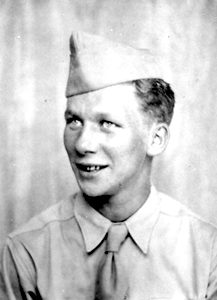
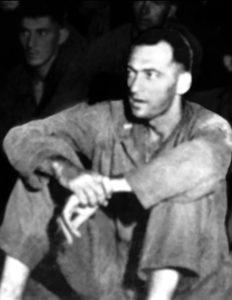
Gustafson, Harold Walter
Army Private

Harold Walter Gustafson, age 27, from Kings County Brooklyn, New York .

Parents: Harry and Signe Gustafson

Service era: Korea

Date of death: Wednesday, January 31, 1951
Death details: Members of the U.S. 34th Infantry Regiment were among the first U.S. ground troops to arrive in South Korea following the North Korean Peoples Army (NKPA) invasion on June 25, 1950. The 34th, which had been on garrison duty in Japan, was undermanned and under-equipped and had little field experience. It’s mission was to delay the NKPA’s surge to the south as long as possible so that reinforcements could arrive. On July 6 the NKPA attacked the 1st and 3rd Battalions of the 34th Infantry north of the town of Chonan, South Korea. The U.S. troops withdrew slowly back to Chonan, and established defensive lines there. Private First Class Harold Walter Gustafson entered the U.S. Army from New York and served with A Company, 1st Battalion, 34th Infantry Regiment, 24th Infantry Division. He was captured by enemy forces near Chonan, South Korea, on July 6, 1950. He was marched north as part of a group of military and civilian internees, known as “Tiger Group,” to the Apex Camps near the Yalu River in North Korea. Multiple repatriated American prisoners of war (POWs) reported witnessing PFC Gustafson’s death on or before January 31, 1951, while at Hanjang-jin, North Korea. His remains were not identified among those returned to U.S. custody after the war, and he is still unaccounted-for. Today, Private First Class Gustafson is memorialized on the Courts of the Missing at the National Memorial Cemetery of the Pacific. His name is also inscribed on the Korean War Veterans Memorial Wall in Washington, DC, which was updated in 2022 to include the names of the fallen.

Source: National Archives, Defense POW/MIA Accounting Agency, Brooklyn Eagle (1954)

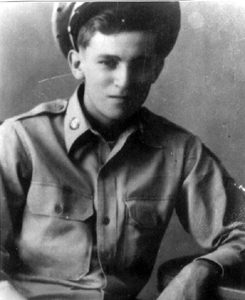
Skinner, Kenneth Leroy
Army Private

Kenneth Leroy Skinner, age 18, from Knox County Abingdon, Illinois .

Parents: Virgil Skinner

Service era: Korea

Date of death: Tuesday, January 9, 1951
Death details: Members of the U.S. 34th Infantry Regiment were among the first U.S. ground troops to arrive in South Korea following the North Korean Peoples Army (NKPA) invasion on June 25, 1950. The 34th, which had been on garrison duty in Japan, was undermanned and under-equipped and had little field experience. It’s mission was to delay the NKPA’s surge to the south as long as possible so that reinforcements could arrive. On July 6 the NKPA attacked the 1st and 3rd Battalions of the 34th Infantry north of the town of Chonan, South Korea. The U.S. troops withdrew slowly back to Chonan, and established defensive lines there. Private First Class Kenneth Leroy Skinner entered the U.S. Army from Illinois and served with A Company, 1st Battalion, 34th Infantry Regiment, 24th Infantry Division. He was captured by enemy forces near Chonan, South Korea, on July 6, 1950, and was marched north to the Apex Camps near the Yalu River. Repatriated American prisoners of war (POWs) later reported that PFC Skinner died at Hangjang-Ni Prison Camp in North Korea on January 9, 1951. His remains were not recovered or identified among those returned to U.S. custody after the war, and he is still unaccounted-for. Today, Private First Class Skinner is memorialized on the Courts of the Missing at the National Memorial Cemetery of the Pacific. His name is also inscribed on the Korean War Veterans Memorial Wall in Washington, DC, which was updated in 2022 to include the names of the fallen.

Source: National Archives, Defense POW/MIA Accounting Agency, Galesburg Register Mail (1953)

Tomaszewski, Warclaw Anthony
Army 1st lieutenant

Warclaw Anthony Tomaszewski from Wayne County Michigan.

Service era: Korea

Date of death: Tuesday, January 2, 1951
Death details: Members of the U.S. 34th Infantry Regiment were among the first U.S. ground troops to arrive in South Korea following the North Korean Peoples Army (NKPA) invasion on June 25, 1950. The 34th, which had been on garrison duty in Japan, was undermanned and under-equipped and had little field experience. It’s mission was to delay the NKPA’s surge to the south as long as possible so that reinforcements could arrive. On July 6 the NKPA attacked the 1st and 3rd Battalions of the 34th Infantry north of the town of Chonan, South Korea. The U.S. troops withdrew slowly back to Chonan, and established defensive lines there. First Lieutenant Waclaw Anthony Tomaszewski entered the U.S. Army from Michigan and served with Headquarters Company, 3rd Battalion, 34th Infantry Regiment, 24th Infantry Division. He was captured by enemy forces near Suwon, South Korea, on July 7, 1950, and was marched north to the Apex Prisoner of War (POW) Camps near the Yalu River in North Korea. Repatriated American POWs later reported that 1LT Tomaszewski died of malnutrition while still in captivity on or about January 2, 1951. His remains were not identified among those returned to U.S. custody after the war, and he is still unaccounted-for. Today, First Lieutenant Tomaszewski is memorialized on the Courts of the Missing at the National Memorial Cemetery of the Pacific. His name is also inscribed on the Korean War Veterans Memorial Wall in Washington, DC, which was updated in 2022 to include the names of the fallen.

Source: National Archives, Defense POW/MIA Accounting Agency

Gedney, Robert Earl
Army Private 1st class

Robert Earl Gedney, age 19, from Cuyahoga County Cleveland, Ohio .

Service era: Korea

Date of death: Saturday, December 9, 1950
Death details: Members of the U.S. 34th Infantry Regiment were among the first U.S. ground troops to arrive in South Korea following the North Korean Peoples Army (NKPA) invasion on June 25, 1950. The 34th, which had been on garrison duty in Japan, was undermanned and under-equipped and had little field experience. It’s mission was to delay the NKPA’s surge to the south as long as possible so that reinforcements could arrive. On July 6 the NKPA attacked the 1st and 3rd Battalions of the 34th Infantry north of the town of Chonan, South Korea. The U.S. troops withdrew slowly back to Chonan, and established defensive lines there. Private First Class Robert Earl Gedney entered the U.S. Army from Ohio and served with A Company, 1st Battalion, 34th Infantry Regiment, 24th Infantry Division. On July 6, 1950, he was captured by enemy forces near Chonan, South Korea. Repatriated American prisoners of war (POW) later reported that PFC Gedney died at the Hangjang-ni Prison Camp, North Korea, on December 9. Private First Class Gedney’s remains were not identified among those returned to U.S. custody after the war, and he is still unaccounted-for. Today, Private First Class Gedney is memorialized on the Courts of the Missing at the National Memorial Cemetery of the Pacific. His name is also inscribed on the Korean War Veterans Memorial Wall in Washington, DC, which was updated in 2022 to include the names of the fallen.

Source: National Archives, Defense POW/MIA Accounting Agency, UP (1953)

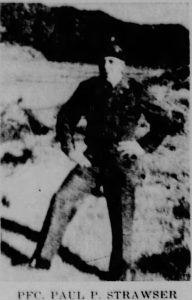
Strawser, Paul Peirson
Army Private 1st class

Paul Peirson Strawser, age 22, from Steuben County Ashley, Indiana .

Parents: Loyal S. Strawser

Service era: Korea

Date of death: Wednesday, November 22, 1950
Death details: Members of the U.S. 34th Infantry Regiment were among the first U.S. ground troops to arrive in South Korea following the North Korean Peoples Army (NKPA) invasion on June 25, 1950. The 34th, which had been on garrison duty in Japan, was undermanned and under-equipped and had little field experience. It’s mission was to delay the NKPA’s surge to the south as long as possible so that reinforcements could arrive. On July 6 the NKPA attacked the 1st and 3rd Battalions of the 34th Infantry north of the town of Chonan, South Korea. The U.S. troops withdrew slowly back to Chonan, and established defensive lines there. Corporal Paul Peirson Strawser entered the U.S. Army from Indiana and served with A Company, 1st Battalion, 34th Infantry Regiment, 24th Infantry Division. He was captured by enemy forces near Chonan, South Korea, on July 6, 1950, and marched north to the Apex Camps near the Yalu River. A repatriated American prisoner of war (POW) later reported that CPL Strawser died of malnutrition at the Hangjang-Ni Prison Camp, North Korea, on November 22. His remains were not identified among those returned to U.S. custody after the war, and he is still unaccounted-for. Today, Corporal Strawser is memorialized on the Courts of the Missing at the National Memorial Cemetery of the Pacific. His name is also inscribed on the Korean War Veterans Memorial Wall in Washington, DC, which was updated in 2022 to include the names of the fallen.

Source: National Archives, Defense POW/MIA Accounting Agency, Steuben Republican (1950)

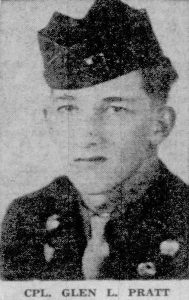
Pratt, Glen Leroy
Army Private 1st class

Glen Leroy Pratt, age 20, from Snohomish County Lowell, Washington .

Parents: Pearl Prat

Service era: Korea

Date of death: Saturday, November 4, 1950
Death details: Members of the U.S. 34th Infantry Regiment were among the first U.S. ground troops to arrive in South Korea following the North Korean Peoples Army (NKPA) invasion on June 25, 1950. The 34th, which had been on garrison duty in Japan, was undermanned and under-equipped and had little field experience. It’s mission was to delay the NKPA’s surge to the south as long as possible so that reinforcements could arrive. On July 6 the NKPA attacked the 1st and 3rd Battalions of the 34th Infantry north of the town of Chonan, South Korea. The U.S. troops withdrew slowly back to Chonan, and established defensive lines there. Corporal Glen Leroy Pratt entered the U.S. Army from Washington and served with K Company, 3rd Battalion, 34th Infantry Regiment, 24th Infantry Division. He was captured by enemy forces near Chonan, South Korea, on July 7, 1950, and was a part of the forced “Tiger March” to the Apex prisoner of war camps near the Yalu River. Repatriated American prisoners of war later reported that CPL Pratt was shot by a guard during the march from Manpo to Chunggang-jin, North Korea, on November 4, 1950. He was not identified among remains returned to U.S. custody after the ceasefire, and he is still unaccounted-for. Today, Corporal Pratt is memorialized on the Courts of the Missing at the National Memorial Cemetery of the Pacific. His name is also inscribed on the Korean War Veterans Memorial Wall in Washington, DC, which was updated in 2022 to include the names of the fallen.

Source: National Archives, Defense POW/MIA Accounting Agency, Daily Herald (1953)

Vercolen, Albert Louis
Army Sergeant

Albert Louis Vercolen, age 29, from Monroe County Rochester, New York .

Parents: Judith Vercolen

Service era: Korea
Schools: Edison Technical and Industrial High

Date of death: Wednesday, July 12, 1950
Death details: Members of the U.S. 34th Infantry Regiment were among the first U.S. ground troops to arrive in South Korea following the North Korean Peoples Army (NKPA) invasion on June 25, 1950. The 34th, which had been on garrison duty in Japan, was undermanned and under-equipped and had little field experience. It’s mission was to delay the NKPA’s surge to the south as long as possible so that reinforcements could arrive. On July 6 the NKPA attacked the 1st and 3rd Battalions of the 34th Infantry north of the town of Chonan, South Korea. The U.S. troops withdrew slowly back to Chonan, and established defensive lines there. Sergeant First Class Albert Louis Vercolen entered the U.S. Army from New York and served with B Company, 1st Battalion, 34th Infantry Regiment, 24th Infantry Division. He was captured by enemy forces near Suwon, South Korea, on July 6, 1950, and marched north to the Apex Camps near the Yalu River. A repatriated American prisoner of war (POW) later reported that SGT Vercolen died a short time after his capture in South Korea on July 12, 1950. His remains were not identified among those returned to U.S. custody after the war, and he is still unaccounted-for. Today, Sergeant First Class Vercolen is memorialized on the Courts of the Missing at the National Memorial Cemetery of the Pacific. His name is also inscribed on the Korean War Veterans Memorial Wall in Washington, DC, which was updated in 2022 to include the names of the fallen.

Source: National Archives, Defense POW/MIA Accounting Agency, Democrat and Chronicle (1950)

Hoots, Paul Eugene
Army Private 1st Class

Paul Eugene Hoots, age 27, from Knox County Galesburg, Illinois .

Parents: John and Eunice W. Hoots

Service era: Korea

Date of death: Friday, July 7, 1950
Death details: On November 15, 2024, the Defense POW/MIA Accounting Agency (DPAA) identified the remains of Corporal Paul Eugene Hoots, missing from the Korean War. Corporal Hoots entered the U.S. Army from Illinois and served with K Company, 3rd Battalion, 34th Infantry Regiment, 24th Infantry Division. Members of the U.S. 34th Infantry Regiment were among the first U.S. ground troops to arrive in South Korea following the North Korean Peoples Army (NKPA) invasion on June 25, 1950. The 34th, which had been on garrison duty in Japan, was undermanned and under-equipped and had little field experience. Its mission was to delay the NKPA’s surge to the south as long as possible so that reinforcements could arrive. On July 6 the NKPA attacked the 1st and 3rd Battalions of the 34th Infantry north of the town of Chonan, South Korea. The U.S. troops withdrew slowly back to Chonan and established defensive lines there. Cpl Hoots was reported missing in action near Chonan, South Korea, during the early evening hours on July 7, 1950. The circumstances surrounding his loss were not immediately recorded at the time, although he was not reported as a prisoner of war. In 1952, a search and recovery team from the American Graves Registration Service Group (AGRSG), the unit tasked with finding and identifying those missing during the war, recovered one set of remains near Suwon. Remains recovered from this area were initially buried at United Nations Memorial Cemetery, Taejon, then sent to the CIU-Kokura for identification. On August 25, 1954, an AGRSG Board of Officers found this set of recovered remains to be unidentifiable. In 1956, remains that had been declared unidentifiable were sent to Hawaii where they were buried as Unknowns at the National Memorial Cemetery of the Pacific, known as the Punchbowl, in Honolulu. In July 2018, the DPAA proposed a plan to disinter 652 Korean War Unknowns from the Punchbowl. On June 10, 2019, as part of Phase Two of the Korean War Disinterment Project, this previously unidentified set of Unknown remains was sent to the DPAA laboratory at Joint Base Pearl Harbor-Hickam, Hawaii, for analysis. The laboratory analysis and the totality of the circumstantial evidence available established the remains as those of Cpl Hoots.

Source: National Archives, Defense POW/MIA Accounting Agency, Galesburg Register Mail (1954), Herald and Review (1950)

Stovall, John Robert
Army Private

John Robert Stovall, age 21, from Saint Clair County East Saint Louis, Illinois .

Parents: Margaret Stovall

Service era: Korea

Date of death: Friday, July 7, 1950
Death details: On June 10, 2025, the Defense POW/MIA Accounting Agency identified the remains of U.S. Army Pfc. John Robert Stovall, missing from the Korean War. Stovall entered the Army from Illinois and served with K Company, 3rd Battalion, 34th Infantry Regiment, 24th Infantry Division. Members of Stovall’s 34th Infantry Regiment were among the first U.S. ground troops to arrive in South Korea following the North Korean People’s army invasion on June 25, 1950. The unit’s mission was to delay the North Korean People’s army’s surge to the south as long as possible so that reinforcements could arrive. On July 6 the North Korean People’s army attacked the 1st and 3rd Battalions of the 34th Infantry north of the town of Ch’onan, South Korea. The U.S. troops withdrew slowly back to the town and established defensive lines there. Stovall was reported missing in action near Ch’onan on July 7, 1950, though the exact circumstances surrounding his loss are unknown. He was never reported as a prisoner of war, and searches of the battlefield failed to recover his remains. On Oct. 15, 1950, during post-battle recovery efforts, the 565th Graves Registration Company found a set of remains near Ch’onan and interred them in the United Nations Military Cemetery Taejon. The remains were exhumed from the United Nations Military Cemetery in March 1951 for scientific analysis but could not be positively identified at the time. The remains underwent additional analysis in February 1954 but were ultimately declared unidentifiable, and in 1956, were interred as an Unknown in the National Memorial Cemetery of the Pacific in Honolulu. On June 10, 2019, DPAA personnel disinterred this Unknown as part of the planned exhumation of 53 unknown burials originating from United Nations Military Cemetery Taejon and sent the remains to a DPAA laboratory for analysis. There, based on the laboratory analysis and total circumstantial evidence, the remains were identified as those of Stovall.

Source: National Archives, Defense POW/MIA Accounting Agency, Associated Press (1950)

Back To Top