Skip to content

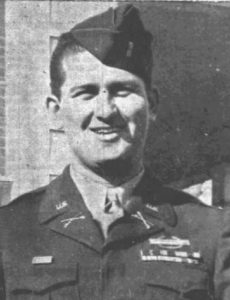
Garcia, Leonard Paul Jr.
Army Corporal
Screenshot

Leonard Paul Jr. Garcia, age 18, from Avoyelles County Bunkie, Louisiana .

Service era: Korea
Schools: Bunkie High graduate, Louisiana State University

Date of death: Friday, October 20, 1950
Death details: In late July of 1950, members of the 3rd Battalion, 29th Infantry Regiment, 24th Infantry Division, served as part of U.S. forces defending Korea from the advancing North Korean People’s Army (NKPA). On July 24, they were attached to the 19th Infantry Regiment, which was positioned at the southern portion of the American defensive line. On July 25, they received a warning to secure the Hadong Pass in South Korea before the NKPA arrived there. Upon the Americans’ arrival on July 27, they were ambushed by a large enemy force. Despite mounting a fierce resistance, the 19th Infantry Regiment and attached units were unable to stop the NKPA from capturing the pass. The 3rd Battalion suffered significant casualties as a result of the battle. Corporal Leonard Paul Garcia Jr., who joined the U.S. Army from Louisiana, was a member of L Company, 3rd Battalion, 29th Infantry Regiment, 24th Infantry Division. He was captured by the North Koreans at Hadong on or about July 27, 1950, and was executed at Sunchon, North Korea, on or about October 20. U.S. Army Graves Registration Services interred his remains at the United Nations Military Cemetery at Pyongyang. The North Korean government returned most of the remains from that cemetery in 1954; however, it is not known if CPL Garcia’s were returned as an unknown at that time, and he is still unaccounted-for. Today, Corporal Garcia is memorialized on the Courts of the Missing at the National Memorial Cemetery of the Pacific. His name is also inscribed on the Korean War Veterans Memorial Wall in Washington, DC, which was updated in 2022 to include the names of the fallen.

Source: Defense POW/MIA Accounting Agency, Bunkie Record (1951), The Times (1951)
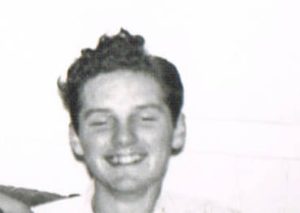
Hogan, Kenneth Allan
Army Private

Kenneth Allan Hogan, age 18, from King County Seattle, Washington .

Service era: Korea

Date of death: Thursday, July 27, 1950
Death details: In late July of 1950, members of the 3rd Battalion, 29th Infantry Regiment, 24th Infantry Division, served as part of U.S. forces defending Korea from the advancing North Korean People’s Army (NKPA). On July 24, they were attached to the 19th Infantry Regiment, which was positioned at the southern portion of the American defensive line. On July 25, they received a warning to secure the Hadong Pass in South Korea before the NKPA arrived there. Upon the Americans’ arrival on July 27, they were ambushed by a large enemy force. Despite mounting a fierce resistance, the 19th Infantry Regiment and attached units were unable to stop the NKPA from capturing the pass. The 3rd Battalion suffered significant casualties as a result of the battle. Private First Class Kenneth Allan Hogan, who joined the U.S. Army from Washington, was a member of I Company, 3rd Battalion, 29th Infantry Regiment, 24th Infantry Division. He took part in the fighting at Hadong Pass, and went missing in action at some point during the battle. U.S. forces retook the Hadong area in late September; however, none of the remains recovered there could be associated with PFC Hogan. He remains unaccounted for following his loss. Today, Private First Class Hogan is memorialized on the Courts of the Missing at the National Memorial Cemetery of the Pacific. His name is also inscribed on the Korean War Veterans Memorial Wall in Washington, DC, which was updated in 2022 to include the names of the fallen.

Source: National Archives, Defense POW/MIA Accounting Agency, The Oregonian (1953)

Richey, Aggie L
Army Private

Aggie L Richey, age 19, from Santa Clara County Campbell, California .

Parents: Rosie Richey

Service era: Korea

Date of death: Thursday, July 27, 1950
Death details: In late July of 1950, members of the 3rd Battalion, 29th Infantry Regiment, 24th Infantry Division, served as part of U.S. forces defending Korea from the advancing North Korean People’s Army (NKPA). On July 24, they were attached to the 19th Infantry Regiment, which was positioned at the southern portion of the American defensive line. On July 25, they received a warning to secure the Hadong Pass in South Korea before the NKPA arrived there. Upon the Americans’ arrival on July 27, they were ambushed by a large enemy force. Despite mounting a fierce resistance, the 19th Infantry Regiment and attached units were unable to stop the NKPA from capturing the pass. The 3rd Battalion suffered significant casualties as a result of the battle. Private First Class Aggie Laverne Richey, who joined the U.S. Army from California, was a member of I Company, 3rd Battalion, 29th Infantry Regiment, 24th Infantry Division. He took part in the fighting at Hadong Pass, and was captured by the NKPA during the battle. Private First Class Richey joined a group of prisoners who were marched north toward prison camps in North Korea, and he died while in enemy custody. He has not been identified among remains returned to U.S. custody after the war, and is still unaccounted-for. Today, Private First Class Richey is memorialized on the Courts of the Missing at the National Memorial Cemetery of the Pacific. His name is also inscribed on the Korean War Veterans Memorial Wall in Washington, DC, which was updated in 2022 to include the names of the fallen.

Source: National Archives, Defense POW/MIA Accounting Agency, Los Gatos Times Saratoga Observer (1950)

Adams, John Quincy
Army Private

John Quincy Adams, age 17, from Maricopa County Arizona.

Service era: Korea

Date of death: Thursday, July 27, 1950
Death details: In late July of 1950, members of the 3rd Battalion, 29th Infantry Regiment, 24th Infantry Division, served as part of U.S. forces defending Korea from the advancing North Korean People’s Army (NKPA). On July 24, they were attached to the 19th Infantry Regiment, which was positioned at the southern portion of the American defensive line. On July 25, they received a warning to secure the Hadong Pass in South Korea before the NKPA arrived there. Upon the Americans’ arrival on July 27, they were ambushed by a large enemy force. Despite mounting a fierce resistance, the 19th Infantry Regiment and attached units were unable to stop the NKPA from capturing the pass. The 3rd Battalion suffered significant casualties as a result of the battle. Private John Quincy Adams, who joined the U.S. Army from Arizona, was a member of M Company, 3rd Battalion, 29th Infantry Regiment, 24th Infantry Division. He was captured on or about July 27, 1950, during the fighting at Hadong Pass, South Korea. The North Koreans executed him at Sunchon, North Korea, and U.S. Graves Registration forces interred his remains at the United Nations Military Cemetery at Pyongyang. The North Koreans evacuated that cemetery in 1954, though we do not know to date if PVT Adams’ remains were returned as an unknown. He is still unaccounted-for. Today, Private Adams is memorialized on the Courts of the Missing at the National Memorial Cemetery of the Pacific. His name is also inscribed on the Korean War Veterans Memorial Wall in Washington, DC, which was updated in 2022 to include the names of the fallen.

Source: National Archives, Defense POW/MIA Accounting Agency

Jarvis, Donald R.
Army Private

Donald R. Jarvis, age 18, from Maricopa County Phoenix, Arizona .

Parents: Mary Gertrude Jarvis

Service era: Korea

Date of death: Thursday, July 27, 1950
Death details: In late July of 1950, members of the 3rd Battalion, 29th Infantry Regiment, 24th Infantry Division, served as part of U.S. forces defending Korea from the advancing North Korean People’s Army (NKPA). On July 24, they were attached to the 19th Infantry Regiment, which was positioned at the southern portion of the American defensive line. On July 25, they received a warning to secure the Hadong Pass in South Korea before the NKPA arrived there. Upon the Americans’ arrival on July 27, they were ambushed by a large enemy force. Despite mounting a fierce resistance, the 19th Infantry Regiment and attached units were unable to stop the NKPA from capturing the pass. The 3rd Battalion suffered significant casualties as a result of the battle. Private First Class Donald Richard Jarvis, who joined the U.S. Army from Arizona, was a member of I Company, 3rd Battalion, 29th Infantry Regiment, 24th Infantry Division. He took part in the fighting at Hadong Pass, and went missing in action at some point during the battle. U.S. forces retook the Hadong area in late September; however, none of the remains recovered there could be associated with PFC Jarvis. He was never reported as a prisoner of war, and he is still unaccounted for. Today, Private First Class Jarvis is memorialized on the Courts of the Missing at the National Memorial Cemetery of the Pacific. His name is also inscribed on the Korean War Veterans Memorial Wall in Washington, DC, which was updated in 2022 to include the names of the fallen.

Source: National Archives, Defense POW/MIA Accounting Agency, Tucson Citizen (1950)

Sanchez, Kenneth Lee
Army Private

Kenneth Lee Sanchez, age 17, from Los Angeles County Los Angeles, California .

Parents: Bertha M. Sanchez

Service era: Korea

Date of death: Thursday, July 27, 1950
Death details: In late July of 1950, members of the 3rd Battalion, 29th Infantry Regiment, 24th Infantry Division, served as part of U.S. forces defending Korea from the advancing North Korean People’s Army (NKPA). On July 24, they were attached to the 19th Infantry Regiment, which was positioned at the southern portion of the American defensive line. On July 25, they received a warning to secure the Hadong Pass in South Korea before the NKPA arrived there. Upon the Americans’ arrival on July 27, they were ambushed by a large enemy force. Despite mounting a fierce resistance, the 19th Infantry Regiment and attached units were unable to stop the NKPA from capturing the pass. The 3rd Battalion suffered significant casualties as a result of the battle. Private First Class Kenneth Lee Sanchez, who joined the U.S. Army from California, was a member of L Company, 3rd Battalion, 29th Infantry Regiment, 24th Infantry Division. He took part in the fighting at Hadong Pass, and went missing in action at some point during the battle. U.S. forces retook the Hadong area in late September; however, none of the remains recovered there could be associated with PFC Sanchez. He was never reported as a prisoner of war, and he is still unaccounted for. Today, Private First Class Sanchez is memorialized on the Courts of the Missing at the National Memorial Cemetery of the Pacific. His name is also inscribed on the Korean War Veterans Memorial Wall in Washington, DC, which was updated in 2022 to include the names of the fallen.

Source: National Archives, Defense POW/MIA Accounting Agency, Daily News (1954)

Bartholomew, George Herman
Army Private

George Herman Bartholomew, age 18, from San Francisco County California.

Service era: Korea

Date of death: Thursday, July 27, 1950
Death details: In late July of 1950, members of the 3rd Battalion, 29th Infantry Regiment, 24th Infantry Division, served as part of U.S. forces defending Korea from the advancing North Korean People’s Army (NKPA). On July 24, they were attached to the 19th Infantry Regiment, which was positioned at the southern portion of the American defensive line. On July 25, they received a warning to secure the Hadong Pass in South Korea before the NKPA arrived there. Upon the Americans’ arrival on July 27, they were ambushed by a large enemy force. Despite mounting a fierce resistance, the 19th Infantry Regiment and attached units were unable to stop the NKPA from capturing the pass. The 3rd Battalion suffered significant casualties as a result of the battle. Pvt. George Herman Bartholomew, who joined the U.S. Army from California, was a member of K Company, 3rd Battalion, 29th Infantry Regiment, 24th Infantry Division. He took part in the fighting at Hadong Pass and was captured by the NKPA during the battle. He joined a group of prisoners who were marched north to Seoul, South Korea, then to Pyongyang, North Korea. The exact circumstances surrounding Bartholomew’s death while in enemy custody is unknown; however, he is thought to have died of exhaustion during the march to Pyongyang. His remains have not been recovered, and he was not identified among remains returned to U.S. custody after the war. Today, he is memorialized on the Courts of the Missing at the National Memorial Cemetery of the Pacific. His name is also inscribed on the Korean War Veterans Memorial Wall in Washington, DC, which was updated in 2022 to include the names of the fallen.

Source: National Archives, Defense POW/MIA Accounting Agency, Oakland Tribune (1950)

Kitt, Peter
Army Private 1st class

Peter Kitt, age 18, from Mahoning County Ohio.

Service era: Korea

Date of death: Thursday, July 27, 1950
Death details: In late July of 1950, members of the 3rd Battalion, 29th Infantry Regiment, 24th Infantry Division, served as part of U.S. forces defending Korea from the advancing North Korean People’s Army (NKPA). On July 24, they were attached to the 19th Infantry Regiment, which was positioned at the southern portion of the American defensive line. On July 25, they received a warning to secure the Hadong Pass in South Korea before the NKPA arrived there. Upon the Americans’ arrival on July 27, they were ambushed by a large enemy force. Despite mounting a fierce resistance, the 19th Infantry Regiment and attached units were unable to stop the NKPA from capturing the pass. The 3rd Battalion suffered significant casualties as a result of the battle. Corporal Peter Kitt, who joined the U.S. Army from Ohio, was a member of K Company, 3rd Battalion, 29th Infantry Regiment, 24th Infantry Division. He took part in the fighting at Hadong Pass, and went missing in action at some point during the battle. U.S. forces retook the Hadong area in late September; however, none of the remains recovered there could be associated with CPL Kitt. He was never reported as a prisoner of war, and is still unaccounted for. Today, Corporal Kitt is memorialized on the Courts of the Missing at the National Memorial Cemetery of the Pacific. His name is also inscribed on the Korean War Veterans Memorial Wall in Washington, DC, which was updated in 2022 to include the names of the fallen.

Source: National Archives, Defense POW/MIA Accounting Agency

Sholes, Ervin S.
Army Private 1st class

Ervin S. Sholes, age 19, from Arlington County Virginia.

Service era: Korea

Date of death: Thursday, July 27, 1950
Death details: In late July of 1950, members of the 3rd Battalion, 29th Infantry Regiment, 24th Infantry Division, served as part of U.S. forces defending Korea from the advancing North Korean People’s Army (NKPA). On July 24, they were attached to the 19th Infantry Regiment, which was positioned at the southern portion of the American defensive line. On July 25, they received a warning to secure the Hadong Pass in South Korea before the NKPA arrived there. Upon the Americans’ arrival on July 27, they were ambushed by a large enemy force. Despite mounting a fierce resistance, the 19th Infantry Regiment and attached units were unable to stop the NKPA from capturing the pass. The 3rd Battalion suffered significant casualties as a result of the battle. Corporal Ervin Summerville Sholes joined the U.S. Army from Virginia and was a member of I Company, 3rd Battalion, 29th Infantry Regiment, 24th Infantry Division. He took part in the fighting at Hadong Pass, and went missing in action at some point during the battle. U.S. forces retook the Hadong area in late September; however, none of the remains recovered there could be associated with CPL Sholes. He was never reported as a prisoner of war, and he is still unaccounted-for. Today, Corporal Sholes is memorialized on the Courts of the Missing at the National Memorial Cemetery of the Pacific. His name is also inscribed on the Korean War Veterans Memorial Wall in Washington, DC, which was updated in 2022 to include the names of the fallen.

Source: National Archives, Defense POW/MIA Accounting Agency, Roanoke Times (1954)

Bauer, Lester W.
Army Private 1st class

Lester W. Bauer, age 20, from Clinton County Indiana.

Parents: Besse E. Bauer

Service era: Korea

Date of death: Thursday, July 27, 1950
Death details: On March 4, 2025, the Defense POW/MIA Accounting Agency identified the remains of Cpl. Lester William Bauer, missing from the Korean War. Bauer, who entered the U.S. Army from Indiana, was a member of I Company, 3rd Battalion, 29th Infantry Regiment, 24th Infantry Division. On July 27, 1950, he was reported missing in action following the 3rd Battalion’s fighting withdrawal from positions near Hadong, Republic of Korea. U.S. forces retook the Hadong area in late September; however, none of the remains recovered there could be associated with Bauer. He was never reported as a prisoner of war. The U.S. Army issued him a presumptive finding of death on December 31, 1953, and declared him non-recoverable. In October 1950, the 565th Quartermaster Graves Registration Company had conducted recovery operations in the Chinju area. Those remains were transported to the United Nations Memorial Cemetery, in Masan, South Korea. In 1956, recovered remains that could not be identified were transferred to the National Memorial Cemetery of the Pacific in Honolulu and interred there as Korean War Unknowns. In July 2018, the DPAA proposed a plan to disinter 652 Korean War Unknowns from the Punchbowl. In October 2018, DPAA personnel disinterred an Unknown as part of Phase One of the Korean War Disinterment Plan and sent the remains to the DPAA laboratory for analysis. The laboratory analysis and the totality of the circumstantial evidence available established an association between this set of remains and Bauer. Bauer is memorialized on the Courts of the Missing at the National Memorial Cemetery of the Pacific. His name is also inscribed on the Korean War Veterans Memorial Wall in Washington, DC, which was updated in 2022 to include the names of the fallen.

Source: National Archives, Defense POW/MIA Accounting Agency, Tipton Daily Tribune (195)

Back To Top