Skip to content

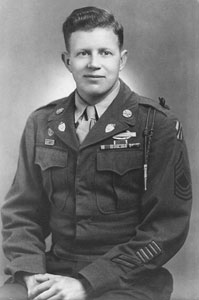
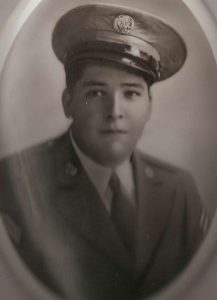
Hristopulos, Clayton
Army Private

Clayton Hristopulos, age 21, from Fremont County Salia, Colorado .

Service era: Korea

Date of death: Friday, December 1, 1950
Death details: In early July 1950, the U.S. Army’s 34th Infantry Regiment was occupying defensive positions just above the village of P’yongt’aek, South Korea, when it came under attack by the North Korean People’s Army (NKPA) 4th Division. The 34th Infantry had previously been on garrison duty in Japan and were not yet back up to combat strength. The NKPA attack was led by tanks; vastly outnumbered and lacking effective anti-tank weapons, the 34th Infantry was completely overwhelmed. They were forced to move south to Ch’onan where hasty defensive positions were established along two roads leading further south. However, the NKPA continued its relentless attack and again pushed the 34th Infantry out of their fighting positions, driving them down the Osan-Ch’onan road. After another brief but sharp battle on the morning of July 8, the Americans began a general withdrawal south to the Kum River Line, where U.S. forces would organize a defense in the hope of keeping the NKPA from reaching Taejon. During this series of fighting withdrawals, many U.S. soldiers were killed or captured by the enemy. Private First Class Clayton Hristopulos entered the U.S. Army from California and was a member of D Company, 1st Battalion, 34th Infantry Regiment, 24th Infantry Division. He was captured during the fighting withdrawal and was marched with other prisoners toward the Apex prison camps in North Korea. He died from malnutrition and dysentery on December 1, at the Apex camp located at Hanjang-ni. Today, Private First Class Hristopulos is memorialized on the Courts of the Missing at the National Memorial Cemetery of the Pacific. His name is also inscribed on the Korean War Veterans Memorial Wall in Washington, DC, which was updated in 2022 to include the names of the fallen.

Source: National Archives, Defense POW/MIA Accounting Agency, Associated Press (1950)
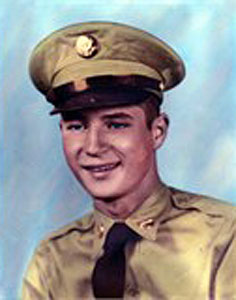
Hartman, David Raymond
Army Private

David Raymond Hartman, age 18, from Ingham County Lansing, Michigan .

Parents: Harriette E. Straley

Service era: Korea

Date of death: Monday, July 10, 1950
Death details: In early July 1950, the U.S. Army’s 34th Infantry Regiment was occupying defensive positions just above the village of P’yongt’aek, South Korea, when it came under attack by the North Korean People’s Army (NKPA) 4th Division. The 34th Infantry had previously been on garrison duty in Japan and were not yet back up to combat strength. The NKPA attack was led by tanks; vastly outnumbered and lacking effective anti-tank weapons, the 34th Infantry was completely overwhelmed. They were forced to move south to Ch’onan where hasty defensive positions were established along two roads leading further south. However, the NKPA continued its relentless attack and again pushed the 34th Infantry out of their fighting positions, driving them down the Osan-Ch’onan road. After another brief but sharp battle on the morning of July 8, the Americans began a general withdrawal south to the Kum River Line, where U.S. forces would organize a defense in the hope of keeping the NKPA from reaching Taejon. During this series of fighting withdrawals, many U.S. soldiers were killed or captured by the enemy. Private First Class David Raymon Hartman entered the U.S. Army from Michigan and was a member of A Company, 1st Battalion, 34th Infantry Regiment, 24th Infantry Division. He was captured during the fighting withdrawal and died within a few days, sometime between July 10 and 12, while at a temporary prison camp in a village near P’yongt’aek. His remains were not identified among those returned to the U.S. following the ceasefire, and he is still unaccounted for. Today, Private First Class Hartman is memorialized on the Courts of the Missing at the National Memorial Cemetery of the Pacific. His name is also inscribed on the Korean War Veterans Memorial Wall in Washington, DC, which was updated in 2022 to include the names of the fallen.

Source: National Archives, Defense POW/MIA Accounting Agency, Associated Press (1950)
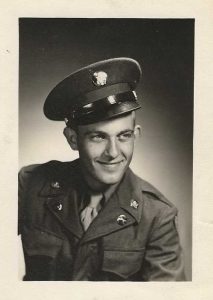
Betsworth, Charles Allen
Army Sergeant 1st class

Charles Allen Betsworth, age 24, from Sedgwick County Wichita, Kansas .

Parents: Elsie Betsworth
Spouse: Roberta Betsworth

Service era: Korea

Date of death: Saturday, July 8, 1950
Death details: In early July 1950, the U.S. Army’s 34th Infantry Regiment was occupying defensive positions just above the village of P’yongt’aek, South Korea, when it came under attack by the North Korean People’s Army (NKPA) 4th Division. The 34th Infantry had previously been on garrison duty in Japan and were not yet back up to combat strength. The NKPA attack was led by tanks; vastly outnumbered and lacking effective anti-tank weapons, the 34th Infantry was completely overwhelmed. They were forced to move south to Ch’onan where hasty defensive positions were established along two roads leading further south. However, the NKPA continued its relentless attack and again pushed the 34th Infantry out of their fighting positions, driving them down the Osan-Ch’onan road. After another brief but sharp battle on the morning of July 8, the Americans began a general withdrawal south to the Kum River Line, where U.S. forces would organize a defense in the hope of keeping the NKPA from reaching Taejon. During this series of fighting withdrawals, many U.S. soldiers were killed or captured by the enemy. Sergeant First Class Charles Allen Betsworth entered the U.S. Army from Kansas and was a member of the Headquarters Company, 34th Infantry Regiment, 24th Infantry Division. Before dawn on July 8, enemy tanks were moving through the streets of Ch’onan. SFC Betsworth was acting as loader for his unit’s commanding officer, who fired a rocket launcher at the rearmost vehicle in a group of four tanks that passed their position. Seconds later, the tank returned fire, killing SFC Betsworth. Soon afterward, Ch’onan was lost to the NKPA and SFC Betsworth’s body could not be recovered. His remains were not identified following the war. Today, Sergeant First Class Betsworth is memorialized on the Courts of the Missing at the National Memorial Cemetery of the Pacific. His name is also inscribed on the Korean War Veterans Memorial Wall in Washington, DC, which was updated in 2022 to include the names of the fallen.

Source: National Archives, Defense POW/MIA Accounting Agency, Wichita Eagle (1950)

Brewster, Robert Lee
Army Private 1st Class

Robert Lee Brewster, age 19, from Madison County Cottage Hills, Illinois .

Parents: James Brewster Sr.

Service era: Korea
Schools: East Alton-Wood River High

Date of death: Saturday, July 8, 1950
Death details: On March 28, 2025, the Defense POW/MIA Accounting Agency (DPAA) identified the remains of Cpl. Robert Lee Brewster, missing from the Korean War. Brewster entered the U.S. Army from Illinois and served in L Company, 3rd Battalion, 34th Infantry Regiment, 2nd Infantry Division. On July 8, 1950, he was reported missing in action after a battle near Cheonan, South Korea. He was not reported as a prisoner of war and remained unaccounted for following the conflict. On Aug. 13, 1951, U.S. personnel recovered a set of remains from an isolated grave in the area where Brewster was lost. The remains could not be identified with the technology available at the time and were transferred to the National Memorial Cemetery of the Pacific. In October 2019, DPAA proposed a plan to disinter 652 Korean War Unknowns for further study. Scientists used modern forensic techniques to associate Brewster with the set of remains recovered near Cheonan in 1951. He is memorialized on the Courts of the Missing at the National Memorial Cemetery of the Pacific. His name is also inscribed on the Korean War Veterans Memorial Wall in Washington, DC, which was updated in 2022 to include the names of the fallen.

Source: National Archives, Defense POW/MIA Accounting Agency, Alton Evening Telegraph (1954)

Cammarano, Thomas Anthony
Army Private

Thomas Anthony Cammarano, age 20, from Kings County Brooklyn, New York .

Parents: Anthony and Stella Cammarano

Service era: Korea

Date of death: Saturday, July 8, 1950
Death details: In early July 1950, the U.S. Army’s 34th Infantry Regiment was occupying defensive positions just above the village of P’yongt’aek, South Korea, when it came under attack by the North Korean People’s Army (NKPA) 4th Division. The 34th Infantry had previously been on garrison duty in Japan and were not yet back up to combat strength. The NKPA attack was led by tanks; vastly outnumbered and lacking effective anti-tank weapons, the 34th Infantry was completely overwhelmed. They were forced to move south to Ch’onan where hasty defensive positions were established along two roads leading further south. However, the NKPA continued its relentless attack and again pushed the 34th Infantry out of their fighting positions, driving them down the Osan-Ch’onan road. After another brief but sharp battle on the morning of July 8, the Americans began a general withdrawal south to the Kum River Line, where U.S. forces would organize a defense in the hope of keeping the NKPA from reaching Taejon. During this series of fighting withdrawals, many U.S. soldiers were killed or captured by the enemy. Private First Class Thomas Anthony Cammarano Jr. entered the U.S. Army from New York and was a member of A Company, 1st Battalion, 34th Infantry Regiment, 24th Infantry Division. He was captured during the fighting withdrawal and was marched with other prisoners toward the Apex prison camps in North Korea. However, he was shot and killed en route by his captors. His remains were not identified among those returned to the U.S. following the ceasefire, and he is still unaccounted for. Today, Private First Class Cammarano is memorialized on the Courts of the Missing at the National Memorial Cemetery of the Pacific. His name is also inscribed on the Korean War Veterans Memorial Wall in Washington, DC, which was updated in 2022 to include the names of the fallen.

Source: National Archives, Defense POW/MIA Accounting Agency, Daily News (1953)

Downs, Morgan Leo
Army Sergeant 1st class

Morgan Leo Downs, age 33, from Lewis County Onalaska, Washington .

Service era: Korea
Military history: Silver Star

Date of death: Saturday, July 8, 1950
Death details: In early July 1950, the U.S. Army’s 34th Infantry Regiment was occupying defensive positions just above the village of P’yongt’aek, South Korea, when it came under attack by the North Korean People’s Army (NKPA) 4th Division. The 34th Infantry had previously been on garrison duty in Japan and were not yet back up to combat strength. The NKPA attack was led by tanks; vastly outnumbered and lacking effective anti-tank weapons, the 34th Infantry was completely overwhelmed. They were forced to move south to Ch’onan where hasty defensive positions were established along two roads leading further south. However, the NKPA continued its relentless attack and again pushed the 34th Infantry out of their fighting positions, driving them down the Osan-Ch’onan road. After another brief but sharp battle on the morning of July 8, the Americans began a general withdrawal south to the Kum River Line, where U.S. forces would organize a defense in the hope of keeping the NKPA from reaching Taejon. During this series of fighting withdrawals, many U.S. soldiers were killed or captured by the enemy. Sergeant First Class Morgan Leo Downs entered the U.S. Army from Washington and was a member of Headquarters Company, 34th Infantry Regiment, 24th Infantry Division. He was killed in action during these fighting withdrawals. Battlefield conditions prevented the recovery of his remains at the time of his loss, and he is still unaccounted for. Today, Sergeant First Class Downs is memorialized on the Courts of the Missing at the National Memorial Cemetery of the Pacific. His name is also inscribed on the Korean War Veterans Memorial Wall in Washington, DC, which was updated in 2022 to include the names of the fallen.

Source: National Archives, Defense POW/MIA Accounting Agency, News Tribune (1950)

Fields, Kennith Gwestell
Army Private 1st class

Kennith Gwestell Fields, age 19, from Seminole County Georgia.

Service era: Korea

Date of death: Saturday, July 8, 1950
Death details: In early July 1950, the U.S. Army’s 34th Infantry Regiment was occupying defensive positions just above the village of P’yongt’aek, South Korea, when it came under attack by the North Korean People’s Army (NKPA) 4th Division. The 34th Infantry had previously been on garrison duty in Japan and were not yet back up to combat strength. The NKPA attack was led by tanks; vastly outnumbered and lacking effective anti-tank weapons, the 34th Infantry was completely overwhelmed. They were forced to move south to Ch’onan where hasty defensive positions were established along two roads leading further south. However, the NKPA continued its relentless attack and again pushed the 34th Infantry out of their fighting positions, driving them down the Osan-Ch’onan road. After another brief but sharp battle on the morning of July 8, the Americans began a general withdrawal south to the Kum River Line, where U.S. forces would organize a defense in the hope of keeping the NKPA from reaching Taejon. During this series of fighting withdrawals, many U.S. soldiers were killed or captured by the enemy. Corporal Kennith Gwestell Fields entered the U.S. Army from Georgia and was a member of L Company, 3rd Battalion, 34th Infantry Regiment, 24th Infantry Division. He was killed in action during the fighting withdrawal, and his body was not recovered from the battlefield at the time of his loss. His remains were not identified among those returned to the U.S. following the ceasefire, and he is still unaccounted for. Today, Corporal Fields is memorialized on the Courts of the Missing at the National Memorial Cemetery of the Pacific. His name is also inscribed on the Korean War Veterans Memorial Wall in Washington, DC, which was updated in 2022 to include the names of the fallen.

Source: National Archives, Defense POW/MIA Accounting Agency

Blue, Adelbert
Army Private 1st class

Adelbert Blue, age 21, from Shelby County Houston, Ohio .

Parents: Marcella Skinner and William H. Blue

Service era: Korea

Date of death: Unknown
Death details: In early July 1950, the U.S. Army’s 34th Infantry Regiment was occupying defensive positions just above the village of P’yongt’aek, South Korea, when it came under attack by the North Korean People’s Army (NKPA) 4th Division. The 34th Infantry had previously been on garrison duty in Japan and were not yet back up to combat strength. The NKPA attack was led by tanks; vastly outnumbered and lacking effective anti-tank weapons, the 34th Infantry was completely overwhelmed. They were forced to move south to Ch’onan where hasty defensive positions were established along two roads leading further south. However, the NKPA continued its relentless attack and again pushed the 34th Infantry out of their fighting positions, driving them down the Osan-Ch’onan road. After another brief but sharp battle on the morning of July 8, the Americans began a general withdrawal south to the Kum River Line, where U.S. forces would organize a defense in the hope of keeping the NKPA from reaching Taejon. During this series of fighting withdrawals, many U.S. soldiers were killed or captured by the enemy. Corporal Adelbert Blue entered the U.S. Army from Ohio and was a member of A Company, 1st Battalion, 34th Infantry Regiment, 24th Infantry Division. He was captured during this fighting withdrawal and was marched with other prisoners toward the Apex prison camps in North Korea. He eventually reached an Apex camp in An-dong where he died due to exhaustion and illness in July 1951; he was buried near the camp. His remains were not identified among those returned to the U.S. following the ceasefire, and he is still unaccounted for. Today, Corporal Blue is memorialized on the Courts of the Missing at the National Memorial Cemetery of the Pacific. His name is also inscribed on the Korean War Veterans Memorial Wall in Washington, DC, which was updated in 2022 to include the names of the fallen.

Source: National Archives, Defense POW/MIA Accounting Agency, Sidney Daily News (1950)

Estes, Edward Eugene
Army Private 1st class

Edward Eugene Estes from Washington County Cane Hill, Arkansas .

Parents: Mary Estes

Service era: Korea

Date of death: Unknown
Death details: In early July 1950, the U.S. Army’s 34th Infantry Regiment was occupying defensive positions just above the village of P’yongt’aek, South Korea, when it came under attack by the North Korean People’s Army (NKPA) 4th Division. The 34th Infantry had previously been on garrison duty in Japan and were not yet back up to combat strength. The NKPA attack was led by tanks; vastly outnumbered and lacking effective anti-tank weapons, the 34th Infantry was completely overwhelmed. They were forced to move south to Ch’onan where hasty defensive positions were established along two roads leading further south. However, the NKPA continued its relentless attack and again pushed the 34th Infantry out of their fighting positions, driving them down the Osan-Ch’onan road. After another brief but sharp battle on the morning of July 8, the Americans began a general withdrawal south to the Kum River Line, where U.S. forces would organize a defense in the hope of keeping the NKPA from reaching Taejon. During this series of fighting withdrawals, many U.S. soldiers were killed or captured by the enemy. Corporal Edward Eugene Estes entered the U.S. Army from Arkansas and was a member of A Company, 1st Battalion, 34th Infantry Regiment, 24th Infantry Division. He was captured during the fighting withdrawal and was marched with other prisoners toward the Apex prison camps in North Korea. He was greatly weakened during the march and died of illness in February 1951. His remains were not identified among those returned to the U.S. following the ceasefire, and he is still unaccounted for. Today, Corporal Estes is memorialized on the Courts of the Missing at the National Memorial Cemetery of the Pacific. His name is also inscribed on the Korean War Veterans Memorial Wall in Washington, DC, which was updated in 2022 to include the names of the fallen.

Source: National Archives, Defense POW/MIA Accounting Agency, The Sun (1953)

Glass, Cecil Robert
Army Private

Cecil Robert Glass from Dallas County Louisburg, Missouri .

Parents: Joe L. Glass

Service era: Korea

Date of death: Unknown
Death details: In early July 1950, the U.S. Army’s 34th Infantry Regiment was occupying defensive positions just above the village of P’yongt’aek, South Korea, when it came under attack by the North Korean People’s Army (NKPA) 4th Division. The 34th Infantry had previously been on garrison duty in Japan and were not yet back up to combat strength. The NKPA attack was led by tanks; vastly outnumbered and lacking effective anti-tank weapons, the 34th Infantry was completely overwhelmed. They were forced to move south to Ch’onan where hasty defensive positions were established along two roads leading further south. However, the NKPA continued its relentless attack and again pushed the 34th Infantry out of their fighting positions, driving them down the Osan-Ch’onan road. After another brief but sharp battle on the morning of July 8, the Americans began a general withdrawal south to the Kum River Line, where U.S. forces would organize a defense in the hope of keeping the NKPA from reaching Taejon. During this series of fighting withdrawals, many U.S. soldiers were killed or captured by the enemy. Private First Class Cecil Robert Glass entered the U.S. Army from Missouri and was a member of A Company, 1st Battalion, 34th Infantry Regiment, 24th Infantry Division. He was captured during the fighting withdrawal and was marched with other prisoners toward the Apex prison camps in North Korea. He was greatly weakened during the march and died of illness while at the Apex camp in Hanjang-ni during late 1950 or early 1951; he was buried near the camp. His remains were not identified among those returned to the U.S. following the ceasefire, and he is still unaccounted for. Today, Private First Class Glass is memorialized on the Courts of the Missing at the National Memorial Cemetery of the Pacific. His name is also inscribed on the Korean War Veterans Memorial Wall in Washington, DC, which was updated in 2022 to include the names of the fallen.

Source: National Archives, Defense POW/MIA Accounting Agency, Dallas County Republican

Back To Top