Skip to content

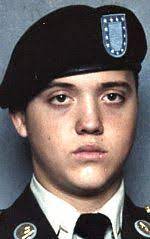
Kruse, Christopher Ryan
Army Sergeant

Christopher Ryan Kruse, age 23, from Emporia, Kansas, Lyon county.

Service era: Iraq
Military history: Hhc, 2D Battalion, 23D Infantry, 4 Bct, Fort Lewis, Wa

Date of death: Tuesday, November 13, 2007
Death details: Hostile; Balad, Iraq

Source: Department of Defense, Military Times

Lane, David Joseph
Army Specialist

David Joseph Lane, age 20, from Emporia, Kansas, Lyon county.

Service era: Iraq
Military history: Company C, 2D Battalion, 16Th Infantry, 4 Bct, Fort Riley, Ks

Date of death: Tuesday, September 4, 2007
Death details: Hostile; Baghdad, Iraq

Source: Department of Defense

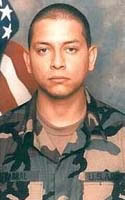
Banuelos, Juan Cabral
Army Sergeant

Juan Carlos Cabralbanuelos, age 25, from Emporia, Kansas, Lyon county.

Service era: Iraq
Military history: Company A, 4Th Forward Support Battalion, (4Id), Fort Hood, Tx 76544

Date of death: Saturday, January 31, 2004
Death details: Hostile; Kirkuk, Iraq

Source: Department of Defense, Military Times

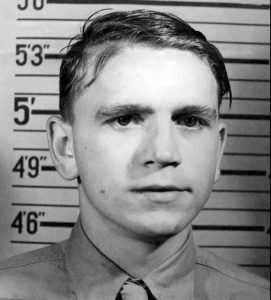
Macomber, Wayne Burton
Army Captain

Wayne Burton Macomber from Kansas, Lyon county.

Service era: Korea

Date of death: Sunday, July 16, 1950
Death details: On the evening of July 15, 1950, the U.S. Army’s 19th Infantry Regiment held defensive positions along the south bank of the Kum River. As dusk approached, North Korean People’s Army (NKPA) tanks appeared on the opposite shore and began firing on the U.S. positions. Although U.S. troops repulsed the attacks that evening, the next morning the NKPA crossed the river and launched a major attack against the 19th Regiment. As the regiment began withdrawing south to Taejon, the North Koreans pushed deep into their defensive lines and set up a roadblock en route to Taejon. When retreating American convoys could not break through the roadblock, soldiers were forced to leave the road and attempt to make their way in small groups across the countryside. Of the 900 soldiers in the 19th Infantry when the Battle of Kum River started, only 434 made it to friendly lines. Captain Wayne Burton Macomber entered the U.S. Army from Kansas and served with Headquarters Company, 1st Battalion, 19th Infantry Regiment, 24th Infantry Division. He was captured on July 16, 1950, during the Battle of Kum River, while attempting to break through an enemy roadblock south to Taejon. After being marched to various holding camps in North Korea, he was eventually interned at the Apex POW camp in An-dong, North Korea. He was mortally ill by the time he reached the camp and died at some point in the summer of 1951. He was buried near the camp, but his remains were not identified among those later returned to U.S. custody. He is still unaccounted-for. Today, Captain Macomber is memorialized on the Courts of the Missing at the National Memorial Cemetery of the Pacific.

Source: National Archives, Defense POW/MIA Accounting Agency
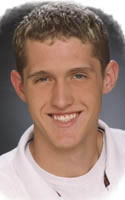
White, Glenn Franklin
Marines Private 1st class

Glenn Franklin White, age 19, from Emporia, Kansas, Lyon county.

Service era: World War II

Date of death: Monday, November 22, 1943
Death details: On June 7, 2021, the Defense POW/MIA Accounting Agency (DPAA) identified the remains of Private First Class Glenn Franklin White, missing from World War II. Private First Class White joined the U.S. Marine Corps from Missouri and was a member of Company A, 1st Battalion, 6th Marine Regiment, 2nd Marine Division. This unit participated in the U.S. invasion of Tarawa, a Japanese-held atoll 2,500 miles southwest of Hawaii. The first wave of Marines landed on Betio, Tarawa’s main island, on November 20, 1943. The Japanese garrison was well entrenched, with hundreds of bunkers and gun positions behind formidable beach obstacles. Most Marine casualties were suffered during the initial landing, but even once ashore, the Marines faced three more days of intense fighting, repelling savage counterattacks, before the island was secured. PFC White was killed in action on November 22 and buried in Row D at a place called Cemetery 33. Immediately after the war, efforts to locate this cemetery were unsuccessful. In 2009, the non-profit organization History Flight located a site on Betio Island that was later identified as Cemetery 33. In March 2019, History Flight located Row D. Remains recovered from the site were turned over to the DPAA and accessioned to a laboratory for study. The laboratory analysis and the totality of circumstantial evidence available established the remains as those of PFC White.

Source: National Archives, Defense POW/MIA Accounting Agency

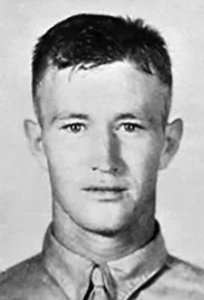
Mitchell, Clyde Clayton
Navy Reserves Seaman 1st class

Clyde Clayton Mitchell, age 27, from Emporia, Kansas, Lyon county.

Service era: World War II

Date of death: Saturday, November 20, 1943
Death details: From November 20 through 23, 1943, the U.S. Marine Corps and U.S. Navy conducted a large-scale amphibious assault on the Japanese-held atoll of Tarawa as part of Operation Galvanic, the Allied capture of the Gilbert Islands. Located 2,500 miles southwest of Hawaii, Tarawa was a crucial stepping stone in the planned U.S. offensive across the central Pacific toward Japan. The Japanese garrison on Tarawa’s main island of Betio was well-entrenched with hundreds of bunkers and gun positions behind formidable beach obstacles. The first wave of Marines approaching the shore encountered lower-than-expected tides, forcing them to leave their landing craft on the reef and wade the hundreds of yards to the beach under intense enemy fire. The heaviest number of U.S. casualties were suffered during this phase of the landing. Eventually, rising tides allowed U.S. warships to maneuver closer to shore and support the troops with effective naval gunfire. More Marines landed on the second day, launching attacks inland from the beaches and seizing the Japanese airfield on the island. However, the enemy launched vicious counterattacks and two more days of intense fighting were needed to secure Betio. The last enemy strongpoints were taken on the morning of November 23. The fighting on Betio cost the Marines nearly 3,000 casualties but enabled U.S. forces to press further across the Pacific and yielded valuable tactical lessons that reduced U.S. losses in future amphibious landings. Sergeant Clyde Clayton Mitchell, who entered the U.S. Marine Corps from Ohio, served in Company L, 3rd Battalion, 8th Marine Regiment, 2nd Marine Division. He was killed in action during the Battle of Tarawa on November 20, 1943, and was buried in Cemetery #28, but after the war his remains could not be identified among those disinterred from the cemetery. He is still unaccounted-for. Today, Sergeant Mitchell is memorialized on the Courts of the Missing at the National Memorial Cemetery of the Pacific.

Source: National Archives, Defense POW/MIA Accounting Agency
Back To Top