Skip to content

Bunch, Curtis Elwood
Army Private 1st class

Curtis Elwood Bunch, age 22, from Georgia, Pickens county.

Service era: Korea

Date of death: Saturday, October 25, 1952
Death details: In late October 1952, elements of the U.S. 32nd Infantry Regiment attacked Chinese forces on Hill 598 (often referred to as the Triangle Hill Complex) near Kumhwa, North Korea. Triangle Hill was composed of three high peaks, two of which were nicknamed “Pike’s Peak” and “Jane Russell.” If U.S. troops could push the Chinese off Triangle Hill, the Chinese would have to fall back to the next high defensible position. The initial U.S. assault was effective; however, the Chinese quickly counterattacked, sending wave after wave of troops against the 32nd’s positions on Pike’s Peak and Jane Russell. Chinese forces eventually re-established themselves on Pike’s Peak and U.S. troops were unable to dislodge them. Private First Class Curtis Elwood Bunch, who joined the U.S. Army from Georgia, served with M Company, 3rd Battalion, 32nd Infantry Regiment, 7th Infantry Division. He was killed in action on October 25 as his unit fought Chinese troops for control of Jane Russell Hill. Conditions on the battlefield prevented the immediate recovery of his body, and U.S. forces did not regain control of the area where he fell. After the ceasefire, his remains were not identified among those returned to U.S. custody, and the area is now part of the Demilitarized Zone. Today, Private First Class Bunch is memorialized on the Courts of the Missing at the National Memorial Cemetery of the Pacific.

Source: National Archives, Defense POW/MIA Accounting Agency
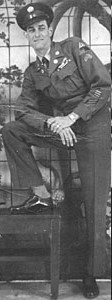
Driver, James
Army Private 1st class

James Driver, age 22, from Michigan, Wayne county.

Service era: Korea

Date of death: Saturday, October 25, 1952
Death details: In late October 1952, elements of the U.S. 32nd Infantry Regiment attacked Chinese forces on Hill 598 (often referred to as the Triangle Hill Complex) near Kumhwa, North Korea. Triangle Hill was composed of three high peaks, two of which were nicknamed “Pike’s Peak” and “Jane Russell.” If U.S. troops could push the Chinese off Triangle Hill, the Chinese would have to fall back to the next high defensible position. The initial U.S. assault was effective; however, the Chinese quickly counterattacked, sending wave after wave of troops against the 32nd’s positions on Pike’s Peak and Jane Russell. Chinese forces eventually re-established themselves on Pike’s Peak and U.S. troops were unable to dislodge them. Private First Class James Driver, who joined the U.S. Army from Michigan, served with E Company, 2nd Battalion, 32nd Infantry Regiment, 7th Infantry Division. He was killed on October 25 as his unit engaged Chinese Communist troops near Pike’s Peak during the Battle of Triangle Hill. Conditions on the battlefield prevented the immediate recovery of his body, and U.S. forces did not again control the area where he fell, which is now in the Demilitarized Zone. Today, Private First Class Driver is memorialized on the Courts of the Missing at the National Memorial Cemetery of the Pacific.

Source: National Archives, Defense POW/MIA Accounting Agency

Biedenkapp, William Roy
Army Private

William Roy Biedenkapp, age 21, from New Jersey, Hudson county.

Service era: Korea

Date of death: Friday, October 24, 1952
Death details: In late October 1952, elements of the U.S. 32nd Infantry Regiment attacked Chinese forces on Hill 598 (often referred to as the Triangle Hill Complex) near Kumhwa, North Korea. Triangle Hill was composed of three high peaks, two of which were nicknamed “Pike’s Peak” and “Jane Russell.” If U.S. troops could push the Chinese off Triangle Hill, the Chinese would have to fall back to the next high defensible position. The initial U.S. assault was effective; however, the Chinese quickly counterattacked, sending wave after wave of troops against the 32nd’s positions on Pike’s Peak and Jane Russell. Chinese forces eventually re-established themselves on Pike’s Peak and U.S. troops were unable to dislodge them.

Source: National Archives, Defense POW/MIA Accounting Agency

Browning, Paul James
Army Sergeant 1st class

Paul James Browning, age 30, from Arkansas, Miller county.

Service era: Korea

Date of death: Friday, October 24, 1952
Death details: In late October 1952, elements of the U.S. 32nd Infantry Regiment attacked Chinese forces on Hill 598 (often referred to as the Triangle Hill Complex) near Kumhwa, North Korea. Triangle Hill was composed of three high peaks, two of which were nicknamed “Pike’s Peak” and “Jane Russell.” If U.S. troops could push the Chinese off Triangle Hill, the Chinese would have to fall back to the next high defensible position. The initial U.S. assault was effective; however, the Chinese quickly counterattacked, sending wave after wave of troops against the 32nd’s positions on Pike’s Peak and Jane Russell. Chinese forces eventually re-established themselves on Pike’s Peak and U.S. troops were unable to dislodge them. Master Sergeant Paul James Browning, who joined the U.S. Army from Arkansas, served with F Company, 2nd Battalion, 32nd Infantry Regiment, 7th Infantry Division. On October 24, as his unit was engaging Chinese forces on Hill 598, Master Sergeant Browning was thrown from the hilltop by an exploding mortar shell while attempting to move an injured soldier to cover. He was not seen again after the blast, and was listed as missing in action. After the ceasefire, his remains were not identified among those returned to U.S. custody. Today, Master Sergeant Browning is memorialized on the Courts of the Missing at the National Memorial Cemetery of the Pacific.

Source: National Archives, Defense POW/MIA Accounting Agency

Bulluck, Mark Braswell
Army Private

Mark Braswell Bulluck, age 21, from North Carolina, Edgecombe county.

Service era: Korea

Date of death: Friday, October 24, 1952
Death details: In late October 1952, elements of the U.S. 32nd Infantry Regiment attacked Chinese forces on Hill 598 (often referred to as the Triangle Hill Complex) near Kumhwa, North Korea. Triangle Hill was composed of three high peaks, two of which were nicknamed “Pike’s Peak” and “Jane Russell.” If U.S. troops could push the Chinese off Triangle Hill, the Chinese would have to fall back to the next high defensible position. The initial U.S. assault was effective; however, the Chinese quickly counterattacked, sending wave after wave of troops against the 32nd’s positions on Pike’s Peak and Jane Russell. Chinese forces eventually re-established themselves on Pike’s Peak and U.S. troops were unable to dislodge them. Private First Class Mark Braswell Bulluck, who joined the U.S. Army from North Carolina, served with G Company, 2nd Battalion, 32nd Infantry Regiment, 7th Infantry Division. He was reported missing in action on October 24 as his unit fought Chinese troops on Hill 598. No one saw him fall in battle and he was not reported to be a prisoner of war. U.S. forces did not regain control of the area where he fell, which precluded a search for him. After the ceasefire, his remains were not identified among those returned to U.S. custody. Today, Private First Class Bulluck is memorialized on the Courts of the Missing at the National Memorial Cemetery of the Pacific.

Source: National Archives, Defense POW/MIA Accounting Agency

Hale, Shirley Dee
Army Private 1st class

Shirley Dee Hale, age 24, from Missouri, Greene county.

Service era: Korea

Date of death: Friday, October 24, 1952
Death details: In late October 1952, elements of the U.S. 32nd Infantry Regiment attacked Chinese forces on Hill 598 (often referred to as the Triangle Hill Complex) near Kumhwa, North Korea. Triangle Hill was composed of three high peaks, two of which were nicknamed “Pike’s Peak” and “Jane Russell.” If U.S. troops could push the Chinese off Triangle Hill, the Chinese would have to fall back to the next high defensible position. The initial U.S. assault was effective; however, the Chinese quickly counterattacked, sending wave after wave of troops against the 32nd’s positions on Pike’s Peak and Jane Russell. Chinese forces eventually re-established themselves on Pike’s Peak and U.S. troops were unable to dislodge them. Private First Class Shirley Dee Hale, who joined the U.S. Army from Missouri, served with G Company, 2nd Battalion, 32nd Infantry Regiment, 7th Infantry Division. He was killed in action on October 24 as his unit battled Chinese Communist Forces for control of Hill 598. Conditions on the battlefield precluded the immediate recovery of his body, and U.S. forces did not regain control of the area where he fell. After the ceasefire, his remains were not identified among those returned to U.S. custody. Today, Private First Class Hale is memorialized on the Courts of the Missing at the National Memorial Cemetery of the Pacific.

Source: National Archives, Defense POW/MIA Accounting Agency

Liford, Charles Edward
Army Private 1st class

Charles Edward Liford, age 21, from Kentucky, Harlan county.

Service era: Korea

Date of death: Friday, October 24, 1952
Death details: In late October 1952, elements of the U.S. 32nd Infantry Regiment attacked Chinese forces on Hill 598 (often referred to as the Triangle Hill Complex) near Kumhwa, North Korea. Triangle Hill was composed of three high peaks, two of which were nicknamed “Pike’s Peak” and “Jane Russell.” If U.S. troops could push the Chinese off Triangle Hill, the Chinese would have to fall back to the next high defensible position. The initial U.S. assault was effective; however, the Chinese quickly counterattacked, sending wave after wave of troops against the 32nd’s positions on Pike’s Peak and Jane Russell. Chinese forces eventually re-established themselves on Pike’s Peak and U.S. troops were unable to dislodge them. Corporal Charles Edward Liford, who joined the U.S. Army from Kentucky, served with G Company, 2nd Battalion, 32nd Infantry Regiment, 7th Infantry Division. He was reported missing on October 24 when Chinese troops attacked his unit’s defensive position on Hill 598. He was not seen to fall in battle and he was not reported to be a prisoner of war. The area of his loss did not return to the control of U.S. forces, precluding a search for his remains, and the terms of the ceasefire later placed the area inside the Demilitarized Zone. Corporal Liford’s remains were not identified among those returned to U.S. custody after the ceasefire. Today, Corporal Liford is memorialized on the Courts of the Missing at the National Memorial Cemetery of the Pacific.

Source: National Archives, Defense POW/MIA Accounting Agency

Myers, Raymond Jr.
Army Private 1st class

Raymond Jr. Myers, age 21, from Michigan, Oakland county.

Service era: Korea

Date of death: Friday, October 24, 1952
Death details: In late October 1952, elements of the U.S. 32nd Infantry Regiment attacked Chinese forces on Hill 598 (often referred to as the Triangle Hill Complex) near Kumhwa, North Korea. Triangle Hill was composed of three high peaks, two of which were nicknamed “Pike’s Peak” and “Jane Russell.” If U.S. troops could push the Chinese off Triangle Hill, the Chinese would have to fall back to the next high defensible position. The initial U.S. assault was effective; however, the Chinese quickly counterattacked, sending wave after wave of troops against the 32nd’s positions on Pike’s Peak and Jane Russell. Chinese forces eventually re-established themselves on Pike’s Peak and U.S. troops were unable to dislodge them. Corporal Raymond Myers Jr., who joined the U.S. Army from Michigan, served with G Company, 2nd Battalion, 32rd Infantry Regiment, 7th Infantry Division. He was reported missing on October 24 as his unit fought Chinese forces for control of Hill 598. He was not seen to fall in battle and he was not reported to be a prisoner of war. The area of his loss did not return to the control of U.S. forces, precluding a search for his body, and the terms of the ceasefire placed that area in the Demilitarized Zone. His remains were not identified among those later returned to U.S. custody. Today, Corporal Myers is memorialized on the Courts of the Missing at the National Memorial Cemetery of the Pacific.

Source: National Archives, Defense POW/MIA Accounting Agency

Savard, Leo Paul Telesphore
Army Private

Leo Paul Telesphore Savard, age 18, from New Hampshire, Coos county.

Service era: Korea

Date of death: Friday, October 24, 1952
Death details: In late October 1952, elements of the U.S. 32nd Infantry Regiment attacked Chinese forces on Hill 598 (often referred to as the Triangle Hill Complex) near Kumhwa, North Korea. Triangle Hill was composed of three high peaks, two of which were nicknamed “Pike’s Peak” and “Jane Russell.” If U.S. troops could push the Chinese off Triangle Hill, the Chinese would have to fall back to the next high defensible position. The initial U.S. assault was effective; however, the Chinese quickly counterattacked, sending wave after wave of troops against the 32nd’s positions on Pike’s Peak and Jane Russell. Chinese forces eventually re-established themselves on Pike’s Peak and U.S. troops were unable to dislodge them. Private Leo Paul Telesphore Savard, who joined the U.S. Army from New Hampshire, served with the Medical Company, 3rd Infantry Regiment, 7th Infantry Division. He was killed in action on October 24 during the Battle of Triangle Hill. Conditions on the battlefield prevented the immediate recovery of his body, and afterwards the enemy controlled the territory where he fell, which is now part of the Demilitarized Zone. His remains were not identified among those returned to U.S. custody after the ceasefire. Today, Private Savard is memorialized on the Courts of the Missing at the National Memorial Cemetery of the Pacific.

Source: National Archives, Defense POW/MIA Accounting Agency

Shortell, James Robert
Army Corporal

James Robert Shortell, age 22, from New York, Kings county.

Service era: Korea

Date of death: Friday, October 24, 1952
Death details: In late October 1952, elements of the U.S. 32nd Infantry Regiment attacked Chinese forces on Hill 598 (often referred to as the Triangle Hill Complex) near Kumhwa, North Korea. Triangle Hill was composed of three high peaks, two of which were nicknamed “Pike’s Peak” and “Jane Russell.” If U.S. troops could push the Chinese off Triangle Hill, the Chinese would have to fall back to the next high defensible position. The initial U.S. assault was effective; however, the Chinese quickly counterattacked, sending wave after wave of troops against the 32nd’s positions on Pike’s Peak and Jane Russell. Chinese forces eventually re-established themselves on Pike’s Peak and U.S. troops were unable to dislodge them. Sergeant James Robert Shortell entered the U.S. Army from New York and served with G Company, 2nd Battalion, 32nd Infantry Regiment, 7th Infantry Division. He was reported missing on October 24, 1952, during the action near Kumhwa. Sergeant Shortell was not seen to fall in battle, and he was never reported to be a prisoner of war. U.S. forces did not again control the area where he disappeared, and the Triangle Hill Complex was located on the North Korean side of the Demilitarized Zone after the ceasefire, precluding search efforts there. Sergeant Shortell’s remains were not identified among those returned to U.S. custody after the war, and he is still unaccounted-for. Today, Sergeant Shortell is memorialized on the Courts of the Missing at the National Memorial Cemetery of the Pacific.

Source: National Archives, Defense POW/MIA Accounting Agency

Back To Top