Skip to content

Majeske, Arthur Jr.
Army Private

Arthur Jr. Majeske from Wisconsin, Milwaukee county.

Service era: Korea

Date of death: Monday, January 1, 1951
Death details: On July 11, 1950, the U.S. Army’s 21st Infantry Regiment, which had arrived in Korea six days earlier, was placed in defensive positions near the town of Chochiwon, South Korea. The regiment was not at full strength and lacked artillery and anti-tank weapons. That day, they were attacked by North Korean forces and were forced to withdraw to avoid being surrounded, as well as to buy time until they could be reinforced and resupplied. Private First Class Arthur Majeske Jr., who joined the U.S. Army from Wisconsin, served with I Company, 3rd Battalion, 21st Infantry Regiment, 24th Infantry Division. He was captured by enemy forces north of Chochiwon on July 12, and was forced to march to the Apex prison camps in North Korea. He died of exhaustion and pneumonia at Hanjang-ni on January 1, 1951, and was buried at the edge of the village. His remains were not identified among those returned to U.S. custody after the ceasefire. Today, Private First Class Majeske is memorialized on the Courts of the Missing at the National Memorial Cemetery of the Pacific.

Source: National Archives, Defense POW/MIA Accounting Agency
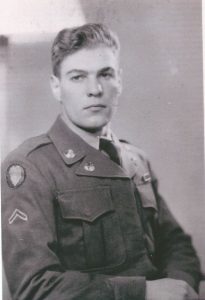
Dupont, Donald D.
Army Private 1st class

Donald D. Dupont, age 22, from Wisconsin, Jackson county.

Service era: Korea

Date of death: Saturday, December 2, 1950
Death details: On the evening of November 27, 1950, Chinese Communist Forces (CCF) launched a massive attack against the U.S. and United Nations troops stationed in the Chosin Reservoir area in northeast North Korea, resulting in a seventeen-day conflict that became known as the Battle of Chosin Reservoir. At the time of the initial CCF attack, members the U.S. Army’s 31st and 32nd Infantry Regiments were defending the area north of Sinhung-ni, on the east side of the reservoir. The defenders were overwhelmed by the numerically superior CCF, and on December 1, were forced to withdraw to friendly lines at Hagaru-ri. Chinese roadblocks from Sinhung-ni to Hagaru-ri along with the constant enemy fire from the surrounding high ground, made the withdrawal route extremely dangerous. Eventually, the column was broken into separate segments, which the CCF attacked individually. Many men were lost or captured during the moving battle, with survivors reaching friendly lines in Hagaru-ri on December 2 and 3. Corporal Donald Lester Dupont, who entered the U.S. Army from Wisconsin, was a member of Company B, 1st Battalion, 32nd Infantry Regiment, 7th Infantry Division. He was reported missing in action on December 2, 1950, during the withdrawal to Hagaru-ri, though specific details regarding his loss are unknown. He was never reported as a prisoner of war, and his remains were not identified among those returned to U.S. custody after the ceasefire. He is still unaccounted-for. Today, Corporal Dupont is memorialized on the Courts of the Missing at the National Memorial Cemetery of the Pacific.

Source: National Archives, Defense POW/MIA Accounting Agency
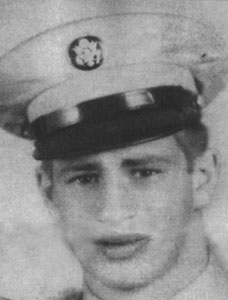
Bucholtz, Edward John
Army Master sergeant

Edward John Bucholtz, age 31, from Wisconsin, Fond du Lac county.

Service era: Korea

Date of death: Wednesday, November 29, 1950
Death details: On November 29, 1950, men from Company G of the U.S. 1st Marine Regiment, MP Company and Tank Company, 1st Marine Division, Company B and elements of Company D of the 31st Infantry Regiment, Headquarters Company of the X Corps, and Royal Marines from Number 41 Independent Commando Battalion were sent north from Koto-ri to open the main supply route to Hagaru-ri and resupply and reinforce Allied troops that had been surrounded near the Chosin Reservoir. The group, known as Task Force Drysdale, set out with tanks and other vehicles in the lead and rear, and initially only met light resistance from Chinese Communist Forces (CCF). As attacks increased in ferocity, the group became fragmented as the CCF managed to establish road blocks that further split the task force. Soon, the CCF blew a bridge and halted the convoy altogether. The Royal Marines and most of Company G were north of the bridge at this time and were able to continue to Hagaru-ri. Near the south end of the convoy, a destroyed truck blocked the road. The tanks and troops south of the destroyed truck fought as long as possible before ultimately returning to Koto-ri on November 30. The men between the blown bridge and the destroyed truck, however, were trapped, and subjected to several mortar barrages before CCF moved into hand-to-hand combat range. Fighting raged there until the morning of November 30, when the survivors were forced to surrender. Over 300 troops were wounded, captured, or died during the action. Master Sergeant Edward John Bucholtz entered the U.S. Army from Wisconsin and served in Headquarters Company, X Corps. He went missing during Task Force Drysdale’s drive from Koto-ri to Hagaru-ri, though specific details regarding his loss are unknown. No one saw him fall, and he was never reported as a prisoner of war. Attempts to locate or identify his remains following the war have been unsuccessful. Today, Master Sergeant Bucholtz is memorialized on the Courts of the Missing at the National Memorial Cemetery of the Pacific.

Source: National Archives, Defense POW/MIA Accounting Agency
DeLuca, Leslie James
Army Private 1st class

Leslie James DeLuca from Wisconsin, Milwaukee county.

Service era: Korea

Date of death: Sunday, July 16, 1950
Death details: On the evening of July 15, 1950, the U.S. Army’s 19th Infantry Regiment held defensive positions along the south bank of the Kum River. As dusk approached, North Korean People’s Army (NKPA) tanks appeared on the opposite shore and began firing on the U.S. positions. Although U.S. troops repulsed the attacks that evening, the next morning the NKPA crossed the river and launched a major attack against the 19th Regiment. As the regiment began withdrawing south to Taejon, the North Koreans pushed deep into their defensive lines and set up a roadblock en route to Taejon. When retreating American convoys could not break through the roadblock, soldiers were forced to leave the road and attempt to make their way in small groups across the countryside. Of the 900 soldiers in the 19th Infantry when the Battle of Kum River started, only 434 made it to friendly lines. Corporal Leslie James De Luca entered the U.S. Army from Wisconsin and served with Company A, 1st Battalion, 19th Infantry Regiment, 24th Infantry Division. He was captured on July 16, during the Battle of Kum River, while his unit was attempting to withdraw through an enemy roadblock outside Taejon. After his capture, CPL De Luca was marched to various holding camps in North Korea. En route, he became mortally ill and died among his companions on December 3, at one of the three villages that housed the “Apex” prisoner of war camps. His remains have not been accounted for. Today, Corporal De Luca is memorialized on the Courts of the Missing at the National Memorial Cemetery of the Pacific.

Source: National Archives, Defense POW/MIA Accounting Agency

Freund, Aloysius Joseph
Army Sergeant

Aloysius Joseph Freund from Wisconsin, Fond du Lac county.

Service era: Korea

Date of death: Sunday, July 16, 1950
Death details: On the evening of July 15, 1950, the U.S. Army’s 19th Infantry Regiment held defensive positions along the south bank of the Kum River. As dusk approached, North Korean People’s Army (NKPA) tanks appeared on the opposite shore and began firing on the U.S. positions. Although U.S. troops repulsed the attacks that evening, the next morning the NKPA crossed the river and launched a major attack against the 19th Regiment. As the regiment began withdrawing south to Taejon, the North Koreans pushed deep into their defensive lines and set up a roadblock en route to Taejon. When retreating American convoys could not break through the roadblock, soldiers were forced to leave the road and attempt to make their way in small groups across the countryside. Of the 900 soldiers in the 19th Infantry when the Battle of Kum River started, only 434 made it to friendly lines. Sergeant First Class Aloysius Joseph Freund entered the U.S. Army from Wisconsin and served with Headquarters Company, 1st Battalion, 19th Infantry Regiment, 24th Infantry Division. He was captured on July 16, 1950, during the Battle of Kum River, while his unit was attempting to withdraw through and around an enemy roadblock outside Taejon. After being moved between various holding camps in North Korea, he was eventually interned at the “Apex” camp at Hanjang-ni, where he died of exhaustion and illness during the winter of 1950-51, likely on January 5, 1951. He remains unaccounted for. Today, Sergeant First Class Freund is memorialized on the Courts of the Missing at the National Memorial Cemetery of the Pacific.

Source: National Archives, Defense POW/MIA Accounting Agency

Lenz, Robert George
Army Private 1st class

Robert George Lenz from Wisconsin, Rock county.

Service era: Korea

Date of death: Sunday, July 16, 1950
Death details: On the evening of July 15, 1950, the U.S. Army’s 19th Infantry Regiment held defensive positions along the south bank of the Kum River. As dusk approached, North Korean People’s Army (NKPA) tanks appeared on the opposite shore and began firing on the U.S. positions. Although U.S. troops repulsed the attacks that evening, the next morning the NKPA crossed the river and launched a major attack against the 19th Regiment. As the regiment began withdrawing south to Taejon, the North Koreans pushed deep into their defensive lines and set up a roadblock en route to Taejon. When retreating American convoys could not break through the roadblock, soldiers were forced to leave the road and attempt to make their way in small groups across the countryside. Of the 900 soldiers in the 19th Infantry when the Battle of Kum River started, only 434 made it to friendly lines. Corporal Robert G. Lenz entered the U.S. Army from Wisconsin and served with Company C, 1st Battalion, 19th Infantry Regiment, 24th Infantry Division. He went missing on July 16, during the Battle of Kum River, while attempting to withdraw through an enemy roadblock outside Taejon. He could not be located after the battle and was reported as missing in action (MIA); however, after the war, his name was discovered on a list of prisoners of war (POWs) called the “Johnny Johnson” list, and his name was mentioned by two returned American POWs. The “Johnny Johnson” list also indicates he died in captivity on December 25, 1950. While this information is likely accurate, CPL Lenz’s remains have not been recovered, and he was not identified among any of the remains returned to the U.S. following the war. Today, Corporal Lenz is memorialized on the Courts of the Missing at the National Memorial Cemetery of the Pacific.

Source: National Archives, Defense POW/MIA Accounting Agency

O’Hara, William Thomas
Army Private 1st class

William Thomas O’Hara from Wisconsin, Milwaukee county.

Service era: Korea

Date of death: Sunday, July 16, 1950
Death details: On the evening of July 15, 1950, the U.S. Army’s 19th Infantry Regiment held defensive positions along the south bank of the Kum River. As dusk approached, North Korean People’s Army (NKPA) tanks appeared on the opposite shore and began firing on the U.S. positions. Although U.S. troops repulsed the attacks that evening, the next morning the NKPA crossed the river and launched a major attack against the 19th Regiment. As the regiment began withdrawing south to Taejon, the North Koreans pushed deep into their defensive lines and set up a roadblock en route to Taejon. When retreating American convoys could not break through the roadblock, soldiers were forced to leave the road and attempt to make their way in small groups across the countryside. Of the 900 soldiers in the 19th Infantry when the Battle of Kum River started, only 434 made it to friendly lines. Corporal William Thomas O’Hara entered the U.S. Army from Wisconsin and served with Company D, 1st Battalion, 19th Infantry Regiment, 24th Infantry Division. He was captured on July 16, during the Battle of Kum River, while his unit was attempting to withdraw through and around enemy roadblocks outside Taejon. After being marched or taken by train or truck to various holding camps, he became a part of the “Tiger March” to the “Apex” prisoner of war (POW) camps located in Chunggang-jin, North Korea. He eventually died of malnutrition and pneumonia at the “Apex” camps on November 21. He was likely buried by his companions nearby the camp, but his remains have not been recovered or identified following the conflict. Today, Corporal O’Hara is memorialized on the Courts of the Missing at the National Memorial Cemetery of the Pacific.

Source: National Archives, Defense POW/MIA Accounting Agency

Dickman, Charles Alfonse
Army Private

Charles Alfonse Dickman from Wisconsin, Monroe county.

Service era: Korea

Date of death: Tuesday, July 11, 1950
Death details: On July 11, 1950, the U.S. Army’s 21st Infantry Regiment, which had arrived in Korea six days earlier, was placed in defensive positions near the town of Chochiwon, South Korea. The regiment was not at full strength and lacked artillery and anti-tank weapons. That day, they were attacked by North Korean forces and were forced to withdraw to avoid being surrounded, as well as to buy time until they could be reinforced and resupplied. Private First Class Charles Alfonse Dickman, who joined the U.S. Army from Wisconsin, served with M Company, 3rd Battalion, 21st Infantry Regiment, 24th Infantry Division. He was reported missing in action on July 11, near Chochiwon, as his unit fought the NKPA in a series of delaying actions. He was not seen to fall in battle, and he was not reported to be a prisoner of war. After the area where he was lost returned to friendly control, numerous extensive searches were conducted for his remains, but all were unsuccessful. Today, Private First Class Dickman is memorialized on the Courts of the Missing at the National Memorial Cemetery of the Pacific.

Source: National Archives, Defense POW/MIA Accounting Agency

Wegner, Norman E.
Army Private 1st class

Norman E. Wegner from Wisconsin, Vilas county.

Service era: World War II
Military history: 112 Infantry 28 Division

Date of death: Friday, November 9, 1945
Death details: Finding of death
Cemetery: Unaccounted For

Source: National Archives, Defense POW/MIA Accounting Agency

McMahon, Paul W. Jr.
Army Private

Paul W. Jr. McMahon, age 28, from Wisconsin, Columbia county.

Service era: World War II

Date of death: Sunday, March 4, 1945
Death details: Killed in action

Source: National Archives, Defense POW/MIA Accounting Agency

Back To Top