Skip to content

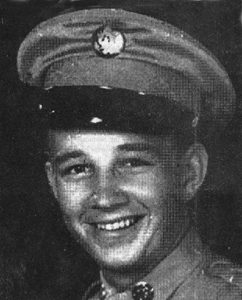
Anderson, Norbert Orlando
Army Private 1st class
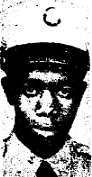
Norbert Orlando Anderson, age 18, from Milwaukee County Milwaukee, Wisconsin .

Service era: Korea

Date of death: Wednesday, February 14, 1951
Death details: In early February 1951, the United States, Republic of Korea (ROK), and United Nations forces moved out from Wonju, South Korea, and launched a large-scale counteroffensive against invading Chinese Communist Forces (CCF). Company L of the 3rd Battalion, 9th Infantry Regiment, 2nd Infantry Division, took part in the action, establishing a position on the west side of Wonju and advancing through the hilly terrain amid light resistance from the CCF. However, on February 11, the CCF launched its own major counteroffensive against the advancing U.S. forces. Company L held their ground initially, but soon the CCF’s superior numbers forced the unit to withdraw back through Wonju. Corporal Norbert Orlando Anderson joined the U.S. Army from Wisconsin and was a member of L Company of the 3rd Battalion, 9th Infantry Regiment, 2nd Infantry Division, and was captured by the CCF during the fighting on February 11. He and other prisoners were marched northward to holding camps near Suan, North Korea, with the corporal’s group arriving at the Suan Bean Camp in late March 1951. Following the end of hostilities, surviving prisoners of war reported that CPL Anderson died in late April or early May 1951, due to complications from kidney problems. His companions buried him at one of the Suan Camps. His remains have not been recovered because the U.S. personnel have not been permitted to conduct searches at the Suan camps. Additionally, he could not be associated with those remains returned to U.S. custody since the ceasefire. Today, Corporal Anderson is memorialized on the Courts of the Missing at the National Memorial Cemetery of the Pacific. His name is also inscribed on the Korean War Veterans Memorial Wall in Washington, DC, which was updated in 2022 to include the names of the fallen.

Source: National Archives, Defense POW/MIA Accounting Agency, Associated Press (1954)

Andring, Arnold Vincent
Army Corporal

Arnold Vincent Andring from Norman County Minnesota.

Spouse: Anneeliese Hanna Andring

Service era: Korea

Date of death: Unknown
Death details: On January 28, 2015, the Defense POW/MIA Accounting Agency (DPAA) identified the remains of Sergeant Arnold Vincent Andring, missing from the Korean War. Sergeant Andring entered the U.S. Army from Minnesota and served with L Company, 3rd Battalion, 9th Infantry Regiment, 2nd Infantry Division. He was taken captive on or before February 14, 1951, likely when L Company’s position on a key road into Wonju was overrun by Chinese Communist Forces. In September 1953, returning American soldiers who had been held as POWs reported that SGT Andring had died from malnutrition at a POW camp in Suan, North Korea. His body was not returned to the U.S. at the time of his death. Between 1991 and 1994, the North Korean government repatriated human remains to the U.S., and analysts were able to identify SGT Andring from among these remains. Sergeant Andring is memorialized on the Courts of the Missing at the National Memorial Cemetery of the Pacific. His name is also inscribed on the Korean War Veterans Memorial Wall in Washington, DC, which was updated in 2022 to include the names of the fallen.

Source: National Archives, Defense POW/MIA Accounting Agency, Star Tribune (1951)

Bowers, John Russell
Army Private

John Russell Bowers from Greenville County Piedmont, South Carolina .

Service era: Korea

Date of death: Unknown
Death details: On February 20, 2015, the Defense POW/MIA Accounting Agency (DPAA) identified the remains of Private First Class John Russell Bowers, missing from the Korean War. Private First Class Bowers entered the U.S. Army from South Carolina and served with Company L, 3rd Battalion, 9th Infantry Regiment, 2nd Infantry Division. He was taken captive on or before February 14, 1951, when Company L’s position on a key road into Wonju was overrun by Chinese Communist Forces. He was interned at POW Camp 5, near Pyokdong, North Korea, where he died on May 3, 1951. His body was not returned to the U.S. immediately following the war. Between 1991 and 1994, the North Korean government repatriated human remains to the U.S., and analysts were able to identify PFC Bowers from among these remains. Private First Class Bowers is memorialized on the Courts of the Missing at the National Memorial Cemetery of the Pacific. His name is also inscribed on the Korean War Veterans Memorial Wall in Washington, DC, which was updated in 2022 to include the names of the fallen.

Source: National Archives, Defense POW/MIA Accounting Agency, Index Journal (1953)

Braun, Sylvester Arthur
Army Private 1st class

Sylvester Arthur Braun from Stearns County Melrose, Minnesota .

Parents: Peter F. Braun

Service era: Korea

Date of death: Unknown
Death details: In early February 1951, the United States, Republic of Korea (ROK), and United Nations forces moved out from Wonju, South Korea, and launched a large-scale counteroffensive against invading Chinese Communist Forces (CCF). Company L of the 3rd Battalion, 9th Infantry Regiment, 2nd Infantry Division, took part in the action, establishing a position on the west side of Wonju and advancing through the hilly terrain amid light resistance from the CCF. However, on February 11, the CCF launched its own major counteroffensive against the advancing U.S. forces. Company L held their ground initially, but soon the CCF’s superior numbers forced the unit to withdraw back through Wonju. Corporal Sylvester Arthur Braun, who joined the U.S. Army from Minnesota, was a member of L Company of the 3rd Battalion, 9th Infantry Regiment, 2nd Infantry Division. He was captured by the CCF during the fighting on February 11. Corporal Braun and other prisoners marched north to the Suan Bean holding camp in Suan, North Korea, arriving in March 1951. The corporal’s group was evacuated from Suan in April; however, he was among those too sick to travel and was moved to the nearby Suan Mining Camp’s field hospital where he was thought to have died of malnutrition late May 1951. His remains have not been recovered because U.S. personnel are unable to conduct searches at the Suan camps. Additionally, he could not be associated with any remains returned to U.S. custody since the ceasefire. Today, Corporal Braun is memorialized on the Courts of the Missing at the National Memorial Cemetery of the Pacific. His name is also inscribed on the Korean War Veterans Memorial Wall in Washington, DC, which was updated in 2022 to include the names of the fallen.

Source: National Archives, Defense POW/MIA Accounting Agency, Associated Press (1954)
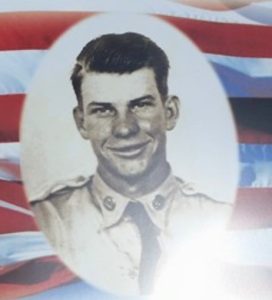
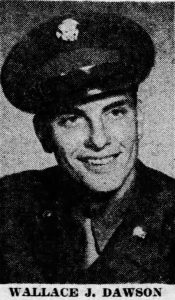
Dawson, Wallace James
Army Corporal

Wallace James Dawson from Santa Barbara County Santa Barbara, California .

Parents: Millard A. Dawson

Service era: Korea

Date of death: Unknown
Death details: On March 7, 2015, the Defense POW/MIA Accounting Agency (DPAA) identified the remains of Sergeant Wallace James Dawson, missing from the Korean War. Sergeant Dawson, who entered the U.S. Army from California, served with L Company, 3rd Battalion, 9th Infantry Regiment, 2nd Infantry Division. On February 14, 1951, his unit was occupying a defensive position near Sangsok, South Korea, when it was overrun by Chinese Communist Forces. SGT Dawson was captured during this action and taken to Changsong POW Camp 1 in North Korea, where he died of malnutrition in June 1951 and was buried near the camp. Following the war, as part of Operation Glory, SGT Dawson’s remains were repatriated to the U.S. but they were not able to be identified and were buried as unknowns at the National Memorial Cemetery of the Pacific, Hawaii. In 2014, advances in forensic technology prompted the disinterment and eventual identification SGT Dawson from these remains. Sergeant Dawson is memorialized on the Courts of the Missing at the National Memorial Cemetery of the Pacific. His name is also inscribed on the Korean War Veterans Memorial Wall in Washington, DC, which was updated in 2022 to include the names of the fallen.

Source: National Archives, Defense POW/MIA Accounting Agency, Santa Barbara News Press (1954)

Hefta, Kenneth
Army Corporal

Kenneth Hefta from Traill County Portland, North Dakota .

Parents: Albert Hefta

Service era: Korea

Date of death: Unknown
Death details: In early February 1951, the United States, Republic of Korea (ROK), and United Nations forces moved out from Wonju, South Korea, and launched a large-scale counteroffensive against invading Chinese Communist Forces (CCF). Company L of the 3rd Battalion, 9th Infantry Regiment, 2nd Infantry Division, took part in the action, establishing a position on the west side of Wonju and advancing through the hilly terrain amid light resistance from the CCF. However, on February 11, the CCF launched its own major counteroffensive against the advancing U.S. forces. Company L held their ground initially, but soon the CCF’s superior numbers forced the unit to withdraw back through Wonju. Sergeant Kenneth Hefta joined the U.S. Army from North Dakota and was a member of L Company of the 3rd Battalion, 9th Infantry Regiment, 2nd Infantry Division when he was captured by the CCF during the fighting on February 11. He and other prisoners were marched north to the Suan Bean holding camp in Suan, North Korea, arriving in March 1951. Following the end of hostilities, surviving prisoners of war reported that SGT Hefta died of malnutrition and exposure at the Suan Bean Camp in April 1951, and was buried at the edge of the village. Unfortunately, his remains have not been recovered because U.S. personnel are not permitted to conduct searches at the Suan camps. He could not be associated with any of those remains returned to U.S. custody since the ceasefire. Today, Sergeant Kenneth Hefta is memorialized on the Courts of the Missing at the National Memorial Cemetery of the Pacific. His name is also inscribed on the Korean War Veterans Memorial Wall in Washington, DC, which was updated in 2022 to include the names of the fallen.

Source: National Archives, Defense POW/MIA Accounting Agency, Fargo Forum (1954)

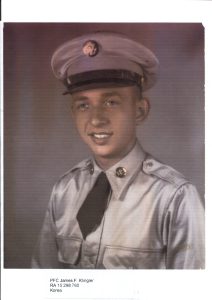
Klingler, James Frederick
Army Private 1st class

James Frederick Klingler from Ohio.

Service era: Korea

Date of death: Unknown
Death details: In early February 1951, the United States, Republic of Korea (ROK), and United Nations forces moved out from Wonju, South Korea, and launched a large-scale counteroffensive against invading Chinese Communist Forces (CCF). Company L of the 3rd Battalion, 9th Infantry Regiment, 2nd Infantry Division, took part in the action, establishing a position on the west side of Wonju and advancing through the hilly terrain amid light resistance from the CCF. However, on February 11, the CCF launched its own major counteroffensive against the advancing U.S. forces. Company L held their ground initially, but soon the CCF’s superior numbers forced the unit to withdraw back through Wonju. Private First Class James Fredrick Klingler, who joined the U.S. Army from Ohio, was a member of L Company of the 3rd Battalion, 9th Infantry Regiment, 2nd Infantry Division. He was captured on February 14 when his unit was engaged by a large Chinese force as they attempted to withdrawal to Wonju. Following the end of hostilities, surviving prisoners of war reported that they saw Private First Class Klinger alive in enemy captivity as late as April 1951. Private First Class Klinger is thought to have been taken north to temporary holding camps in Suan, North Korea. A POW who later died passed information to a POW returnee that Klingler died at the Suan Bean Camp at an unknown date. His body has not been found, and he could not be associated with any of the remains that North Korean officials returned to U.S. custody after the war. Today, Private First Class Klingler is memorialized on the Courts of the Missing at the National Memorial Cemetery of the Pacific. His name is also inscribed on the Korean War Veterans Memorial Wall in Washington, DC, which was updated in 2022 to include the names of the fallen.

Source: Defense POW/MIA Accounting Agency

Sternard, John T.
Army Private 1st class

John T. Sternard from Douglas County Nebraska.

Service era: Korea

Date of death: Unknown
Death details: In early February 1951, the United States, Republic of Korea (ROK), and United Nations forces moved out from Wonju, South Korea, and launched a large-scale counteroffensive against invading Chinese Communist Forces (CCF). Company L of the 3rd Battalion, 9th Infantry Regiment, 2nd Infantry Division, took part in the action, establishing a position on the west side of Wonju and advancing through the hilly terrain amid light resistance from the CCF. However, on February 11, the CCF launched its own major counteroffensive against the advancing U.S. forces. Company L held their ground initially, but soon the CCF’s superior numbers forced the unit to withdraw back through Wonju. Corporal John T. Sternad, who joined the U.S. Army from Nebraska, was a member of L Company of the 3rd Battalion, 9th Infantry Regiment, 2nd Infantry Division. He was captured when his company’s position on a key road into Wonju was overrun on February 14, 1951. After the war, surviving prisoner of war reported that CPL Sternad was seen alive in enemy custody as late as March of 1951. He perished at some point during his captivity; however, the exact details surrounding his loss are unknown. His remains have not been recovered, nor were they identified among those returned to U.S. custody following the war. Today, Corporal Sternad is memorialized on the Courts of the Missing at the National Memorial Cemetery of the Pacific. His name is also inscribed on the Korean War Veterans Memorial Wall in Washington, DC, which was updated in 2022 to include the names of the fallen.

Source: National Archives, Defense POW/MIA Accounting Agency

Back To Top