Skip to content

Ruggero, Ciro Jerry
Army Private 1st Class

Ciro Jerry Ruggero, age 21, from Cook County Chicago, Illinois .

Parents: Salvatore Ruggero

Service era: Korea

Date of death: Friday, August 24, 1951
Death details: On February 5, 1951, Allied forces in Korea launched an offensive against North Korean and Chinese Communist Forces (CCF) north of Wonju. Republic of Korea units and the 38th Infantry Regiment and supporting artillery units, including the 15th and 503rd Field Artillery Battalions, and the 82nd Antiaircraft Artillery and Automatic Weapons Battalion, initially met light resistance on their drive to the north. On February 11, the CCF launched an aggressive counteroffensive that caused the Allies to withdraw back southward. However, the CCF had established a series of roadblocks on the road to the south, forcing the Allies to fight their way back to friendly lines. Corporal Ciro Jerry Ruggero entered the U.S. Army from Illinois and was a member of L Company, 3rd Battalion, 38th Infantry Regiment, 2nd Infantry Division. He was taken as a prisoner of war (POW) by enemy forces in February 1951 during the Regiment’s fighting withdrawal. He was transferred north to POW Camp 1 at Changsong on the Yalu River, where he died of illness on August 24, 1951. He was buried on a hillside overlooking the camp. U.S. investigators have not been able to access the area to search for his grave site, and he has not been associated with any of the remains later returned to U.S. custody. Today, Corporal Ruggero is memorialized on the Courts of the Missing at the National Memorial Cemetery of the Pacific. His name is also inscribed on the Korean War Veterans Memorial Wall in Washington, DC, which was updated in 2022 to include the names of the fallen.

Source: National Archives, Defense POW/MIA Accounting Agency, Flint Journal (1953)
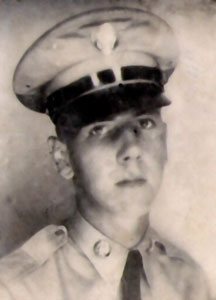
Harper, William Lee
Army Corporal

William Lee Harper, age 31, from Greenbrier County White Sulphur Springs, West Virginia .

Service era: Korea

Date of death: Monday, August 6, 1951
Death details: On Aug. 7, 2025, the Defense POW/MIA Accounting Agency identified the remains of U.S. Army Sgt. William Lee Harper, missing from the Korean War. Harper entered the U.S. Army from West Virginia and served in Battery D, 82nd Anti-aircraft Artillery Automatic Weapons Battalion, 2nd Infantry Division. On Feb. 5, 1951, Allied forces in Korea, including Harper’s unit launched an offensive north of Wonju, South Korea. They initially met light resistance, but on February 11, Chinese Communist Forces launched an aggressive counteroffensive that caused the Allies to withdraw. However, the Chinese Communist Forces had established a series of roadblocks on the road to the south, forcing the Allies to fight their way back to friendly lines. Harper was captured on Feb. 13, 1951, and taken to Prisoner of War Camp 1 at Changsong, North Korea. There, he died of disease and malnutrition on or around Aug. 6, 1951. In 1954, the opposing nations reached an agreement to exchange war dead known as Operation Glory. Those remains that could not be identified with the tools available at the time were interred as unknowns at the National Memorial Cemetery of the Pacific. On Feb. 10, 202, DPAA personnel exhumed one set of remains, reportedly recovered from POW Camp 1, for further study. The laboratory analysis and the totality of the circumstantial evidence available established that the remains were those of Harper.

Source: National Archives, Defense POW/MIA Accounting Agency, The Leader (1951)

Steele, Dean Arnold
Army Corporal

Dean Arnold Steele, age 19, from Iroquois County Papineau, Illinois .

Parents: Arnold Steele

Service era: Korea

Date of death: Tuesday, July 31, 1951
Death details: On February 5, 1951, Allied forces in Korea launched an offensive against North Korean and Chinese Communist Forces (CCF) north of Wonju. Republic of Korea units and the 38th Infantry Regiment and supporting artillery units, including the 15th and 503rd Field Artillery Battalions, and the 82nd Antiaircraft Artillery and Automatic Weapons Battalion, initially met light resistance on their drive to the north. On February 11, the CCF launched an aggressive counteroffensive that caused the Allies to withdraw back southward. However, the CCF had established a series of roadblocks on the road to the south, forcing the Allies to fight their way back to friendly lines. Sergeant Dean Arnold Steele entered the U.S. Army from Illinois and was a member of C Company, 1st Battalion, 38th Infantry Regiment, 2nd Infantry Division. On February 12, 1951, he was taken captive while clearing a roadblock near Saemal, South Korea, during the 38th’s Infantry Regiment’s withdrawal. After his capture, he was marched to prisoner holding camps along the Yalu River in North Korea. Repatriated American prisoners of war (POWs) reported SGT Steele was transferred to a prison camp hospital, where he died on or before July 31, 1951, though exact details surrounding his death are unknown. U.S. investigators have not been able to access the area to search for his remains, and he has not been associated with any remains returned to U.S. custody after the war. Today, Sergeant Steele is memorialized on the Courts of the Missing at the National Memorial Cemetery of the Pacific. His name is also inscribed on the Korean War Veterans Memorial Wall in Washington, DC, which was updated in 2022 to include the names of the fallen.

Source: National Archives, Defense POW/MIA Accounting Agency, Saint Annew Record (1951)

Wilhelm, Clarence Eugene
Army Private 1st class

Clarence Eugene Wilhelm from Trego County Wakeeney, Kansas .

Parents: Clarence Wilhelm

Service era: Korea

Date of death: Tuesday, July 31, 1951
Death details: On February 5, 1951, Allied forces in Korea launched an offensive against North Korean and Chinese Communist Forces (CCF) north of Wonju. Republic of Korea units and the 38th Infantry Regiment and supporting artillery units, including the 15th and 503rd Field Artillery Battalions, and the 82nd Antiaircraft Artillery and Automatic Weapons Battalion, initially met light resistance on their drive to the north. On February 11, the CCF launched an aggressive counteroffensive that caused the Allies to withdraw back southward. However, the CCF had established a series of roadblocks on the road to the south, forcing the Allies to fight their way back to friendly lines. Corporal Clarence Eugene Wilhelm entered the U.S. Army from Kansas and was a member of B Company, 1st Battalion, 38th Infantry Regiment, 2nd Infantry Division. On February 12, 1951, he was taken as a prisoner of war (POW) near Chanbong-ni, South Korea, during the 38th Infantry Regiment’s fighting withdrawal. After his capture, he was marched with other prisoners to holding camps in North Korea. CPL Wilhelm died on July 31, at the Suan Bean POW Camp, though the exact details surrounding his death and burial are unknown. U.S. investigators have not been able to access the area to search for his burial site, and he has not been associated with the remains later returned to U.S. custody. Today, Corporal Wilhelm is memorialized on the Courts of the Missing at the National Memorial Cemetery of the Pacific. His name is also inscribed on the Korean War Veterans Memorial Wall in Washington, DC, which was updated in 2022 to include the names of the fallen.

Source: National Archives, Defense POW/MIA Accounting Agency, Wichita Eagle (1951)

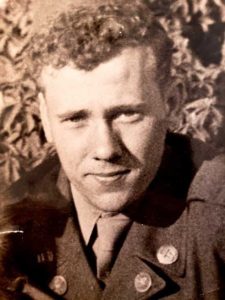
Milligan, Richard
Army Private 1st Class

Richard Milligan, age 19, from Piatt County Lincoln, Illinois .
Parents: Mary M. Spurling

Service era: Korea

Date of death: Monday, July 16, 1951
Death details: On February 5, 1951, Allied forces in Korea launched an offensive against North Korean and Chinese Communist Forces (CCF) north of Wonju. Republic of Korea units and the 38th Infantry Regiment and supporting artillery units, including the 15th and 503rd Field Artillery Battalions, and the 82nd Antiaircraft Artillery and Automatic Weapons Battalion, initially met light resistance on their drive to the north. On February 11, the CCF launched an aggressive counteroffensive that caused the Allies to withdraw back southward. However, the CCF had established a series of roadblocks on the road to the south, forcing the Allies to fight their way back to friendly lines. Corporal Richard Milligan entered the U.S. Army from Illinois and was a member of B Company, 1st Battalion, 38th Infantry Regiment, 2nd Infantry Division. On February 12, 1951, he was taken captive at a roadblock during the 38th Infantry Regiment’s withdrawal to the south. After his capture, he was marched with other prisoners of war (POWs) to holding camps in North Korea. Corporal Milligan eventually arrived at the Changson POW Camp, where he died of unknown causes on July 16, 1951. U.S. investigators have not been able to access the area to search for his burial site, and he has not been associated with any of the remains later returned to U.S. custody after the war. Today, Corporal Milligan is memorialized on the Courts of the Missing at the National Memorial Cemetery of the Pacific. His name is also inscribed on the Korean War Veterans Memorial Wall in Washington, DC, which was updated in 2022 to include the names of the fallen.

Source: National Archives, Defense POW/MIA Accounting Agency, Illinois State Register (1953)

Frisk, Robert Duaine
Army Private 1st class

Robert Duaine Frisk, age 22, from Polk County McIntosh, Minnesota .

Parents: John A. Frisk

Service era: Korea

Date of death: Tuesday, June 19, 1951
Death details: On February 5, 1951, Allied forces in Korea launched an offensive against North Korean and Chinese Communist Forces (CCF) north of Wonju. Republic of Korea units and the 38th Infantry Regiment and supporting artillery units, including the 15th and 503rd Field Artillery Battalions, and the 82nd Antiaircraft Artillery and Automatic Weapons Battalion, initially met light resistance on their drive to the north. On February 11, the CCF launched an aggressive counteroffensive that caused the Allies to withdraw back southward. However, the CCF had established a series of roadblocks on the road to the south, forcing the Allies to fight their way back to friendly lines. Corporal Robert Duaine Frisk entered the U.S. Army from Minnesota and was a member of C Company, 1st Battalion, 38th Infantry Regiment, 2nd Infantry Division. On February 12, 1951, he was taken as a prisoner of war (POW) near Hoengsong, South Korea, during the 38th Infantry Regiment’s fighting withdrawal. After his capture, he was marched with other prisoners to holding camps along the Yalu River in North Korea. A repatriated POW reported that CPL Frisk died of malnutrition and pulmonary tuberculosis on June 19, 1951 at Changsong POW Camp, and was likely buried nearby. U.S. investigators have not been able to access this location to search for his grave, and he has not been associated with any remains returned to U.S. custody after the war. Today, Corporal Frisk is memorialized on the Courts of the Missing at the National Memorial Cemetery of the Pacific. His name is also inscribed on the Korean War Veterans Memorial Wall in Washington, DC, which was updated in 2022 to include the names of the fallen.

Source: National Archives, Defense POW/MIA Accounting Agency, Austin Daily Herald (1953)

Hendrick, Hazen Calvin
Army Sergeant

Hazen Calvin Hendrick, age 23, from Shiawassee County Caro, Michigan .

Parents: Hazen and Nina Hendrick
Spouse: Dolores (Walworth

Service era: Korea
Military history: World War II veteran

Date of death: Tuesday, June 19, 1951
Death details: On February 5, 1951, Allied forces in Korea launched an offensive against North Korean and Chinese Communist Forces (CCF) north of Wonju. Republic of Korea units and the 38th Infantry Regiment and supporting artillery units, including the 15th and 503rd Field Artillery Battalions, and the 82nd Antiaircraft Artillery and Automatic Weapons Battalion, initially met light resistance on their drive to the north. On February 11, the CCF launched an aggressive counteroffensive that caused the Allies to withdraw back southward. However, the CCF had established a series of roadblocks on the road to the south, forcing the Allies to fight their way back to friendly lines. Sergeant First Class Hazen Calvin Hendrick entered the U.S. Army from Michigan and was a member of K Company, 3rd Battalion, 38th Infantry Regiment, 2nd Infantry Division. He was wounded and taken as a prisoner of war (POW) by enemy forces during the Regiment’s fighting withdrawal. He was transferred north toward the POW camps on the Yalu River, however, he died of malnutrition and of his wounds in mid-June 1951, at the village of Kangdong while en route to the camps. He was buried there by his companions. U.S. investigators have not been able to access the area to search for his burial site and he has not been associated with the remains later returned to U.S. custody. Today, Sergeant First Class Hendrick is memorialized on the Courts of the Missing at the National Memorial Cemetery of the Pacific. His name is also inscribed on the Korean War Veterans Memorial Wall in Washington, DC, which was updated in 2022 to include the names of the fallen.

Source: National Archives, Defense POW/MIA Accounting Agency, Flint Journal (1954)

Jelly, Stuart Raymond
Army 1st lieutenant

Stuart Raymond Jelly, age 33, from Morris County Dover, New Jersey .

Spouse: Concelia M. Jelly

Service era: Korea

Date of death: Thursday, May 31, 1951
Death details: On February 5, 1951, Allied forces in Korea launched an offensive against North Korean and Chinese Communist Forces (CCF) north of Wonju. Republic of Korea units and the 38th Infantry Regiment and supporting artillery units, including the 15th and 503rd Field Artillery Battalions, and the 82nd Antiaircraft Artillery and Automatic Weapons Battalion, initially met light resistance on their drive to the north. On February 11, the CCF launched an aggressive counteroffensive that caused the Allies to withdraw back southward. However, the CCF had established a series of roadblocks on the road to the south, forcing the Allies to fight their way back to friendly lines. First Lieutenant Stuart Raymond Jelly entered the U.S. Army from New Jersey and was a member of K Company, 3rd Battalion, 38th Infantry Regiment, 2nd Infantry Division. On February 12, 1951, he was captured by enemy forces near Saemal, South Korea, during the Regiment’s fighting withdrawal. Following his capture, he was marched toward prisoner holding camps along the Yalu River in North Korea. Repatriated American prisoners of war (POWs) reported that 1LT Jelly died of dysentery and malnutrition at the Suan Bean POW Camp on May 31, 1951. U.S. investigators have not been able to access the area to search for his burial location, and he has not been associated with any remains returned to U.S. custody after the war. Today, First Lieutenant Jelly is memorialized on the Courts of the Missing at the National Memorial Cemetery of the Pacific. His name is also inscribed on the Korean War Veterans Memorial Wall in Washington, DC, which was updated in 2022 to include the names of the fallen.

Source: National Archives, Defense POW/MIA Accounting Agency, Hazard Herald (1953)

Brown, Albert Luther
Army Private

Albert Luther Brown, age 22, from Summit County Ohio.

Service era: Korea

Date of death: Thursday, May 31, 1951
Death details: On February 5, 1951, Allied forces in Korea launched an offensive against North Korean and Chinese Communist Forces (CCF) north of Wonju. Republic of Korea units and the 38th Infantry Regiment and supporting artillery units, including the 15th and 503rd Field Artillery Battalions, and the 82nd Antiaircraft Artillery and Automatic Weapons Battalion, initially met light resistance on their drive to the north. On February 11, the CCF launched an aggressive counteroffensive that caused the Allies to withdraw back southward. However, the CCF had established a series of roadblocks on the road to the south, forcing the Allies to fight their way back to friendly lines. Private First Class Albert Luther Brown entered the U.S. Army from Ohio and was a member of Company L, 3rd Battalion, 38th Infantry Regiment, 2nd Infantry Division. On February 13, 1951, he was taken as a prisoner of war (POW) while clearing a roadblock near Saemal, South Korea, during the 38th Infantry Regiment’s fighting withdrawal. After his capture, he was marched with other prisoners to holding camps in North Korea. Repatriated American POWs reported that PFC Brown died of dysentery and malnutrition while marching on May 31, just south of POW Camp 1 at Changsong. U.S. investigators have not been able to access the area to search for his remains, and he has not been associated with any of the remains later returned to U.S. custody. He is still unaccounted-for. Today, Private First Class Brown is memorialized on the Courts of the Missing at the National Memorial Cemetery of the Pacific. His name is also inscribed on the Korean War Veterans Memorial Wall in Washington, DC, which was updated in 2022 to include the names of the fallen.

Source: National Archives, Defense POW/MIA Accounting Agency

Hawkins, Julius Wiley
Army Sergeant

Julius Wiley Hawkins, age 26, from Lewis County Canton, Missouri .

Parents: Grace M. Hawkins

Service era: Korea

Date of death: Thursday, May 31, 1951
Death details: On February 5, 1951, Allied forces in Korea launched an offensive against North Korean and Chinese Communist Forces (CCF) north of Wonju. Republic of Korea units and the 38th Infantry Regiment and supporting artillery units, including the 15th and 503rd Field Artillery Battalions, and the 82nd Antiaircraft Artillery and Automatic Weapons Battalion, initially met light resistance on their drive to the north. On February 11, the CCF launched an aggressive counteroffensive that caused the Allies to withdraw back southward. However, the CCF had established a series of roadblocks on the road to the south, forcing the Allies to fight their way back to friendly lines. Sergeant First Class Julius Wiley Hawkins entered the U.S. Army from Missouri and was a member of Battery D, 82nd Anti-Aircraft Artillery Automatic Weapons Battalion, 2nd Infantry Division. He was taken as a prisoner of war (POW) by enemy forces near Changbong-ni, South Korea, on February 13, 1951. After his capture, he was marched north to holding camps along the Yalu River in North Korea. Repatriated American POWs reported that SFC Hawkins died of malnutrition at Suan Bean POW Camp on May 31, 1951. U.S. investigators have not been able to access the area to search for his burial site, and he has not been associated with any remains returned to U.S. custody after the war. Today, Sergeant First Class Hawkins is memorialized on the Courts of the Missing at the National Memorial Cemetery of the Pacific. His name is also inscribed on the Korean War Veterans Memorial Wall in Washington, DC, which was updated in 2022 to include the names of the fallen.

Source: National Archives, Defense POW/MIA Accounting Agency, Columbia Daily Tribune (1953)

Back To Top