Skip to content

Del Mundo Tiu, Joel
Navy Commander

Joel Del Mundo Tiu, age 49, from Manila, Philippines.

Service era: Afghanistan
Military history: Logistics Forces, U.S. Naval Forces Central Command, Manama, Bahrain.

Date of death: Friday, October 12, 2012
Death details: Died as a result of non-combat related injuries.

Source: Department of Defense, Military Times

Quirante, Diomedes J.
Navy Hospitalman 3rd class

Diomedes J. Quirante, age 25, from Calcoocan City, Philippines .

Service era: Beirut bombings

Date of death: Sunday, October 23, 1983
Death details: Among more than 200 military personnel killed in the terroist bombing of Marine headquarters in Beirut.

Source: White House Commission on Remembrance, Assocaited Press (1983)

Acosta, German P.
Navy Petty officer 1

German P. Acosta from Bani Pangashinan, Philippines .

Spouse: Florida Acosta

Service era: Vietnam

Date of death: Wednesday, June 23, 1965
Death details: Killed in an air crash in Vietnam.

Source: Associated Press (1965)

Garcia, Napoleon Tomas
Navy Chief steward

Napoleon Tomas Garcia, age 35, from Paranaque Rixal, Philippines .

Spouse: Charlotte Lee Garcia

Service era: Vietnam

Date of death: Wednesday, April 10, 1963
Death details: Killed aboard the atomic submarine Thresher when the ship went missing 220 miles East of Cape Cod, Massachusetts

Source: ussthresher.com, Associated Press (1963), oneternalpatrol.com

Moote, Leslie Elmer
Navy Lieutenant

Leslie Elmer Moote, age 48, from Philippines.

Spouse: Wilma
Children: Barbara, 13

Service era: World War II
Military history: Veteran of World War I

Date of death: Sunday, January 28, 1945
Death details: On December 13, 1944, Japanese forces in the Philippines began the transfer of 1,621 Allied prisoners of war (POWs) to Japan. The POWs were to make the journey aboard transport ships whose harsh conditions and extreme overcrowding led survivors to refer to them as “Hell Ships.” The ships also lacked markings that would distinguish them from any other military target, causing some of them to be attacked by Allied forces who could not identify them as POW transports. On December 14, 1944, Allied aircraft attacked the first ship, the Oryoku Maru, in Subic Bay in the Philippines, killing many Allied POWs who became lost in the water, sank with the ship, or were washed ashore. Survivors of the bombing were put aboard two other ships, the Enoura Maru and the Brazil Maru, to continue on to Japan. During its journey on January 9, 1945, while anchored in Takao Harbor, Formosa (present-day Taiwan), the Enoura Maru was attacked by Allied aircraft from the USS Hornet (CV-8), killing Allied POWs who were lost in the water, on board the ship, or on the nearby shore. Survivors of the Enoura Maru bombing were loaded onto the Brazil Maru, and reached Japan on January 30, 1945. As a result of these incidents, Allied POWs were lost in the Philippines, at sea between the Philippines and Taiwan, while anchored in Taiwan, at sea between Taiwan and Japan, and in Japan. The attacks on these POW transports ultimately resulted in a series of death notifications from the Japanese government through the International Red Cross (IRC), and some casualties were given up to five different dates of death at various locations during the transfer. Witness accounts from surviving POWs offer detailed information for a handful of casualties, but the specific dates of loss and/or last-known locations for many of these POWs are based on the most recent reported date of death. Lieutenant Leslie E. Moote, who entered the U.S. Navy from the Philippines, was serving in the Philippines during World War II. LT Moote was taken as a POW following the Japanese invasion and was interned in the islands until December 1944, when he was transferred to the Oryoku Maru for transport to Japan. He survived the attack on the Oryoku Maru and was eventually transferred to the Brazil Maru. Records indicate LT Moote died of acute colitis on January 28, 1945, and was cremated at sea. However, these records often involve information solely furnished by enemy governments, with some casualties given multiple dates of death. Future research may determine these reports were inaccurate. LT Moote’s remains could not be identified following the war and he is still unaccounted-for. Today, Lieutenant Moote is memorialized on the Walls of the Missing at the Manila American Cemetery in the Philippines. Based on all information available, DPAA assessed the individual’s case to be in the analytical category of Non-recoverable.

Source: National Archives, Defense POW/MIA Accounting Agency, Daily Breeze (1945)
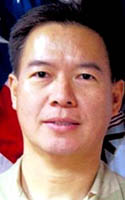
Jones, Henry S.
Army 1st lieutenant

Henry S. Jones, age 45, from Philippines.

Parents: Joseph A. Jones
Spouse: Aileen F. Jones
Children: Morris Allen Jones

Service era: World War II

Date of death: Saturday, January 27, 1945
Death details: On December 13, 1944, Japanese forces in the Philippines began the transfer of 1,621 Allied prisoners of war (POWs) to Japan. The POWs were to make the journey aboard transport ships whose harsh conditions and extreme overcrowding led survivors to refer to them as “Hell Ships.” The ships also lacked markings that would distinguish them from any other military target, causing some of them to be attacked by Allied forces who could not identify them as POW transports. On December 14, 1944, Allied aircraft attacked the first ship, the Oryoku Maru, in Subic Bay in the Philippines, killing many Allied POWs who became lost in the water, sank with the ship, or were washed ashore. Survivors of the bombing were put aboard two other ships, the Enoura Maru and the Brazil Maru, to continue on to Japan. During its journey on January 9, 1945, while anchored in Takao Harbor, Formosa (present-day Taiwan), the Enoura Maru was attacked by Allied aircraft from the USS Hornet (CV-8), killing Allied POWs who were lost in the water, on board the ship, or on the nearby shore. Survivors of the Enoura Maru bombing were loaded onto the Brazil Maru, and reached Japan on January 30, 1945. As a result of these incidents, Allied POWs were lost in the Philippines, at sea between the Philippines and Taiwan, while anchored in Taiwan, at sea between Taiwan and Japan, and in Japan. The attacks on these POW transports ultimately resulted in a series of death notifications from the Japanese government through the International Red Cross (IRC), and some casualties were given up to five different dates of death at various locations during the transfer. Witness accounts from surviving POWs offer detailed information for a handful of casualties, but the specific dates of loss and/or last-known locations for many of these POWs are based on the most recent reported date of death. Private First Class Donald E. Jones entered the U.S. Army from California and served with the Medical Department in the Philippines during World War II. He was taken as a POW following the Japanese invasion and was interned in the islands until December 1944, when he was transferred to the Oryoku Maru for transport to Japan. Records indicate that PFC Jones survived the attack on the Oryoku Maru and was eventually transferred to the Brazil Maru to continue the journey. He died on January 24, 1945, from wounds he had sustained in the prior bombing, and was reportedly buried at sea. These records often involve information solely furnished by enemy governments, with some casualties given multiple dates of death. Future research may determine these reports were inaccurate. PFC Jones’s remains could not be identified following the war, and he is still unaccounted-for. Today, Private First Class Jones is memorialized on the Walls of the Missing at the Manila American Cemetery in the Philippines. Based on all information available, DPAA assessed the individual’s case to be in the analytical category of Non-recoverable.

Source: National Archives, Defense POW/MIA Accounting Agency, Nashville Banner (1945)

Stearns, Benton Hammond

Benton Hammond Stearns, age 43, from Philippines.

Parents: Victor Stearns
Spouse: Married

Date of death: Friday, December 15, 1944
Death details: On December 13, 1944, Japanese forces in the Philippines began the transfer of 1,621 Allied prisoners of war (POWs) to Japan. The POWs were to make the journey aboard transport ships whose harsh conditions and extreme overcrowding led survivors to refer to them as “Hell Ships.” The ships also lacked markings that would distinguish them from any other military target, causing some of them to be attacked by Allied forces who could not identify them as POW transports. On December 14, 1944, Allied aircraft attacked the first ship, the Oryoku Maru, in Subic Bay in the Philippines, killing many Allied POWs who became lost in the water, sank with the ship, or were washed ashore. Survivors of the bombing were put aboard two other ships, the Enoura Maru and the Brazil Maru, to continue on to Japan. During the journey, while anchored in Takao Harbor, Formosa (present-day Taiwan), the Enoura Maru was attacked by Allied aircraft from the USS Hornet (CV-8), killing Allied POWs who were lost in the water, on board the ship, or on the nearby shore. Survivors of the Enoura Maru bombing were loaded onto the Brazil Maru, and reached Japan on January 30, 1945. As a result of these incidents, Allied POWs were lost in the Philippines, at sea between the Philippines and Taiwan, while anchored in Taiwan, at sea between Taiwan and Japan, and in Japan. The attacks on these POW transports ultimately resulted in a series of death notifications from the Japanese government through the International Red Cross (IRC), and some casualties were given up to five different dates of death at various locations during the transfer. Witness accounts from surviving POWs offer detailed information for a handful of casualties, but the specific dates of loss and/or last-known locations for many of these POWs are based on the most recent reported date of death. Lieutenant Benton Hammond Stearns, who entered the U.S. Army from the Philippines, served in the Philippines during World War II. He was taken as a POW following the Japanese invasion and interned in the islands until December 1944, when he was put aboard the Oryoku Maru for transport to Japan. Records indicate LT Stearns was killed several weeks later in the attack on the Enoura Maru; however, these reports often involve information solely furnished by enemy governments, with some casualties given multiple dates of death. Future research may determine that these reports were inaccurate. Lieutenant Stearn’s remains could not be identified following the war, and he is still unaccounted-for. Today, Lieutenant Stearns is memorialized on the Walls of the Missing at the Manila American Cemetery in the Philippines.

Source: Duluth News Tribune (1945)

Luna, Jose
Navy

Jose Luna from Philippines.

Service era: World War II

Date of death: Sunday, March 1, 1942
Death details: Killed aboard the USS Houston when the ship was attacked traveling from Batavia to Java.

Source: USSHouston.org

Back To Top